
Sacred History of Salt Lake City in Simple Words for Your First Walking Tour in Salt Lake City
Jan 18, 2026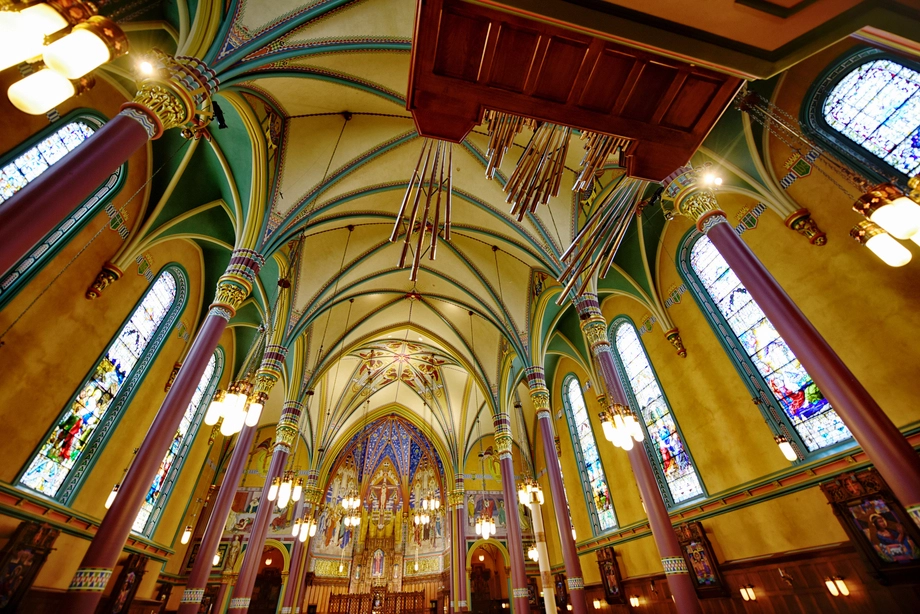
Salt Lake City grew from a temple-centered pioneer refuge into a modern gateway to Utah’s landscapes. Combine downtown walks and organized day trips for a simple, meaningful sacred-history experience.
Visitors often arrive in Utah curious about the sparkling lake and the mountains, then realize the real mystery sits in the heart of Salt Lake City. This is a city planned as a spiritual refuge, built by people who crossed a continent chasing a promise. Its temples, grid streets, and even the way tours are run today all come from that sacred beginning.
This article walks you through the sacred history of Salt Lake City in simple language. You will see how a small pioneer camp became a religious capital, what stands behind iconic sites like Temple Square, and how modern walking and day tours help you feel that story, not just hear it. You will also find honest pros and cons of guided experiences, common planning mistakes, and very practical tips for choosing between a guided or self-guided path through the city and the rest of Utah.
How did Salt Lake City become a “holy city” in the desert?
From a hard desert crossing to a promised gathering place
In the mid‑1800s, Latter‑day Saint pioneers crossed the plains looking for a safe, isolated place to practice their faith. When they reached the Salt Lake Valley, it was dry, harsh land with a huge salty lake and no clear sign that a major city should be here. For them, the valley was not random geography. It was the end of a spiritual journey and the beginning of a sacred project.
They immediately started laying out a city that would serve as a religious center as much as a place to live. Irrigation canals, communal work projects, and careful planning turned the desert into farmland. The story you hear on a walking tour in Salt Lake City is not only about buildings. It is about how faith, survival, and community building were tied together from day one.
The grid that came from a spiritual vision
One of the first decisions the pioneers made was to design the city on a strict grid. Streets were wide enough to turn a wagon team, and city blocks were large and numbered from a central, sacred point. That center was Temple Square. Distances are still measured from this location today, which tells you how deeply the spiritual heart shaped the entire urban layout.
When local guides talk about “South Temple” or explain why addresses look like math problems, they are really explaining a religious worldview made concrete. The city map is a quiet reminder that, for the founders, everyday life should radiate out from the temple and from their concept of God.
Temple Square as a living symbol
Temple Square is more than a pretty complex of buildings. It holds the Salt Lake Temple, tabernacles, and administrative centers for The Church of Jesus Christ of Latter‑day Saints. Construction of the temple took decades, and that slow, careful work became a symbol of the community’s patience and dedication.
Today, visitors can walk the grounds, listen to stories of how the granite blocks were hauled from the mountains, and see how music, worship, and administration all gather in one place. In plain terms, Temple Square is the city’s spiritual engine. Even if you are not religious, understanding its role makes the rest of the city feel more coherent and less random.
What sacred stories do you actually see on a downtown walking route?
City center: where faith meets everyday life
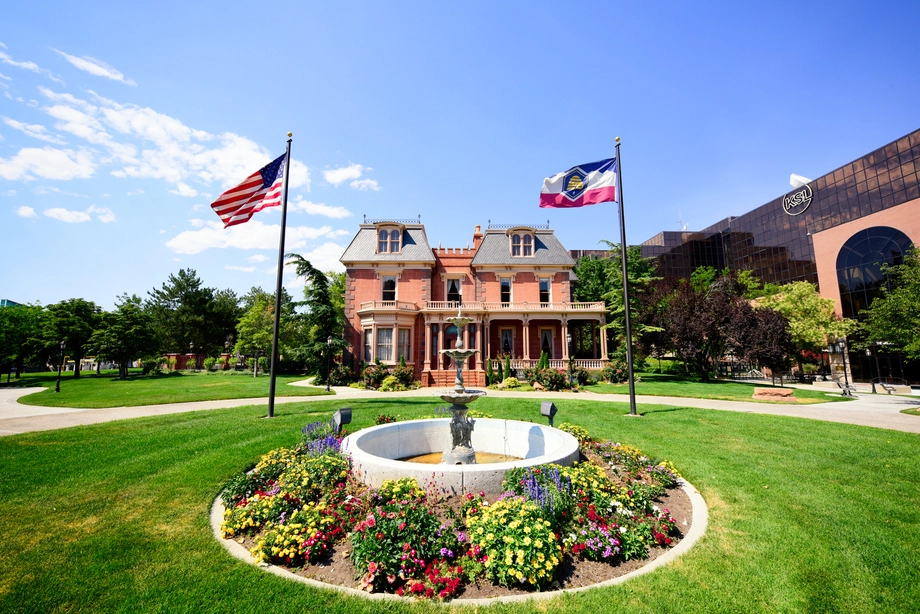
A typical guided walk through downtown connects sacred history with daily routines. You might start near Temple Square and then move through nearby streets filled with offices, restaurants, and civic buildings. Standing in one spot, you can see religious architecture, state government, and modern business all within a few blocks.
This contrast is important. It shows how Salt Lake City grew from a spiritual refuge into the capital of Utah while still keeping religious symbols at its core. A good local guide will point out how older stone buildings sit next to glass towers and will explain which corners hosted early gatherings, protests, or celebrations.
Hidden details you miss on your own
Many sacred stories in Salt Lake City are tied to small details that are easy to overlook if you walk alone. For example, inscriptions on building facades, the way certain streets align with mountain peaks, or the placement of early meetinghouses off the main grid tell quiet stories about belief, power, and community.
On small group tours, guides often pause at these less obvious spots. They explain why a simple brick building mattered to early worshipers or how a particular statue reflects a moment of religious tension or cooperation. In short, these tours translate stone, glass, and street names into a language of meaning.
How walking tours connect city stories with wider Utah
Because so many visitors use Salt Lake City as a base for exploring Utah, some guides like to link downtown stories with the landscape you see later on day trips. A temple spire viewed against the Wasatch Mountains can become a bridge to later conversations about canyons, national parks, and desert faith traditions.
Hearing how the same pioneers who built the city also explored the wider region helps visitors read the entire state differently. The sacred history is not locked inside one city block. It continues in the way Utahns talk about land, mountains, and valleys today.
You found a hidden promo code!
Use code WOWBLOG at checkout and get 10% OFF any tour!
Limited time offer. Book now and save!
Browse ToursGuided walking tour vs self-guided walk: which fits you better?
What a guided city walking tour usually includes
Group walking tours in Salt Lake City’s center are typically led by local guides. Group sizes stay small enough that you can ask questions, adjust the pace a little, and hear stories clearly. Routes usually include major historic and sacred sites, along with more hidden corners that independent visitors rarely notice.
Tour descriptions often state distance, elevation, and timing in advance. This helps you choose a route that matches your energy level and schedule, especially on your first day in the city when you are still adjusting to altitude and time zones.
What a self-guided walking experience looks like
A self-guided walking tour of Salt Lake City gives you full freedom. You pick the route, stop for coffee whenever you like, and spend more or less time at any spot. Simple printed maps or phone notes can be enough to organize a basic loop around the most famous sites.
The tradeoff is that you rely on plaques, your own research, and maybe a podcast instead of a live guide. For visitors who like quiet reflection at sacred places or who want to fit city exploring around business meetings, self-guided wandering can work very well.
Quick comparison: guided vs self-guided downtown exploration
| Aspect | Guided walking tour | Self-guided city walk |
|---|---|---|
| Story depth | Rich, with live context and Q&A | Depends on your own research |
| Flexibility | Fixed start and general route | Full control over time and stops |
| Navigation | Handled by guide | You plan and adjust on the fly |
| Best for | First visit, limited time | Repeat visits, slow travelers |
How do Utah day trips extend the sacred story beyond the city?
From temple spires to ski slopes
Day trips from Salt Lake City to Utah ski resorts often start with a city pickup and an easy transfer into the mountains. For many visitors, this shift from urban sacred sites to high alpine terrain feels symbolic. You experience the same landscape that early settlers saw as a backdrop to their religious life.
Organized transfers give you flexible time on the slopes without needing to study local driving rules, parking, or lift layouts. Couples, groups of friends, and families can focus on skiing or snowboarding while guides help them orient at the resort and share local context.
National parks as natural cathedrals
Tours from Salt Lake City to Utah’s national parks connect the city’s spiritual roots with the state’s dramatic geology. Zion, Bryce Canyon, Arches, Canyonlands, and Capitol Reef often feel like vast open-air sanctuaries. Short hikes to arches or canyon rims can feel as meaningful as standing in a formal temple.
Guided park itineraries typically include key viewpoints, time for photos, and simple walks. On the way, guides explain basic geology, local stories, and how early settlers and Indigenous peoples related to the land. The result is a broader sense that “sacred” in Utah is as much about rock and sky as it is about stone buildings in downtown Salt Lake City.
Day tours to salt flats and wildlife areas
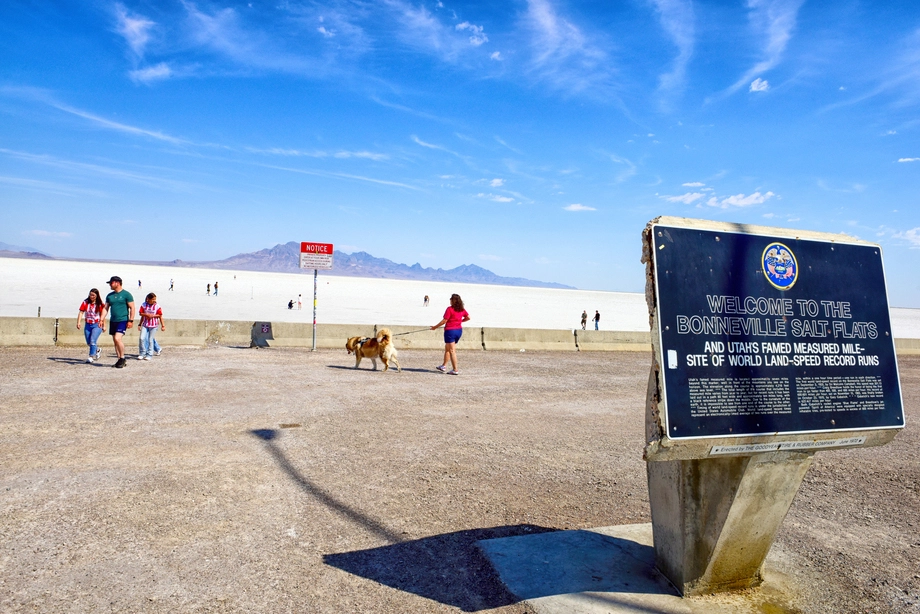
For visitors with limited time, day trips from the city to places like the Bonneville Salt Flats or Antelope Island offer another take on sacred space. Endless white surfaces, quiet bays of the Great Salt Lake, and free-roaming wildlife create a feeling of wide, almost meditative openness.
These trips usually combine transfers, guided commentary, and short, easy walks. Some routes focus on wildlife, others on vast landscapes or a mix of both. Prices often start around modest entry levels, with many one-day experiences in the range of common city tour rates. The goal is a full but realistic day that balances driving and time outdoors.
What are the pros and cons of organized sacred-history experiences from Salt Lake City?
Key advantages of guided and organized tours
- Context made simple: Local guides turn complex religious history and city planning into stories that are easy to follow, even if you know nothing about Utah or Latter‑day Saints.
- Logistics handled: For city walks, mountain days, and national park trips, someone else manages timing, transfers, and basic safety so you can focus on what you see and feel.
- Access to “hidden” places: Guided walking tours include lesser-known spots and small details that are hard to find with a map alone.
- Less stress for first-time visitors: Clear information about distance, terrain, and pace helps you avoid overcommitting, especially on your first day or first trip.
- Local insight: Experienced guides share tips about the city, the mountains, and park etiquette that you can use for the rest of your stay.
Real limitations to keep in mind
- Fixed schedules: Group tours leave at set times, which may not match your personal rhythm or flight schedule.
- Less personal silence: If you want long, quiet reflection at sacred sites, a group format can feel rushed.
- Route constraints: You follow a planned path, so you may pass interesting side streets or viewpoints without time to explore them deeply.
- Group dynamics: The mood and speed of the group depend on the slowest or the most talkative participants.
- Cost vs DIY: While prices are often reasonable, some travelers with very tight budgets may prefer free, fully self-guided walks instead.
Common mistakes travelers make when exploring Salt Lake City’s sacred side
Rushing Temple Square and downtown
Many visitors treat Temple Square as a quick photo stop, then move on without context. They take a few pictures of spires and gardens and leave with little sense of why these buildings matter. The mistake happens because people underestimate how much history is concentrated in a few city blocks.
To avoid this, plan at least a couple of focused hours in the city center, whether with a guide or an organized self-guided route. Give yourself time to read plaques, listen to explanations, and connect the stories to what you see.
Ignoring elevation, distance, and heat
Salt Lake City sits at higher elevation than many US cities, and summer days can be hot and dry. Visitors sometimes book long walks or hikes on their first day, then feel unexpectedly tired or dehydrated. They assume downtown strolls will feel like any other flat city walk.
Use route descriptions that clearly state distance and terrain, and drink more water than you think you need. On hot days or after a long flight, picking a shorter city walk or a gentle organized tour can make the experience enjoyable instead of exhausting.
Trying to “do it all” in one day
Another common error is booking a busy downtown morning, a mountain drive, and a sunset lake stop all on the same day. On paper it looks efficient. In reality, it turns sacred spaces into a checklist instead of a meaningful experience.
A better approach is to split your time. For example, use your arrival day for a single focused walking tour, then keep a full separate day for a national park or ski resort. You will remember more and feel less rushed.
Skipping local guides entirely
Some independent travelers skip local guides because they think tours are only for beginners. They rely only on quick internet searches and social media posts. The result is often a very shallow understanding of the spiritual and historical layers that shaped the city and the rest of Utah.
If you value depth, consider at least one small-group or private experience. Even one or two hours of guided context can transform how you see everything else during your stay.

Practical tips for planning your sacred-history time in and around Salt Lake City
Use your first day for an orientation walk
For most travelers, the first full day is the best time for a guided downtown walk. You get your bearings, overcome jet lag gently, and built-in breaks keep you moving without overdoing it. After this, any self-guided walking tour of Salt Lake City will feel much easier to design.
Once you understand the grid, Temple Square, and main streets, you can confidently explore shops, cafés, and smaller churches or meeting places on your own.
Match tour type to your energy and interests
If you love stories and conversation, choose a small group walking tour with a flexible guide. If you value quiet, consider a short guided session at the start of the day, then continue with your own, slower route. For families, shorter tours with clear route details and minimal elevation are often ideal.
When looking at day trips to ski resorts or national parks, check the balance of driving, walking, and free time. Pick the one that fits your physical comfort, especially if you are new to altitude or snow sports.
Balance city, mountains, and desert
Salt Lake City is a gateway. To feel the full sacred story of Utah, try to include at least one city experience, one mountain or lake outing, and one broader landscape day, such as a national park or salt flats visit. Each adds a different layer of meaning.
In practice, that could mean a downtown walking tour, then a ski-resort day, then a national park excursion. Spread them over several days so your mind and body can actually enjoy the variety.
Book key experiences ahead, leave space for wandering
City walking tours and popular day trips from Salt Lake City can fill up, especially in peak seasons. Reserving in advance gives you certainty and lets you plan the rest of your days around a solid core experience. At the same time, keep some open blocks for quiet city wandering or spontaneous sunset walks.
This mix of structure and freedom tends to work best. You get expert context where it matters most and still have time to let personal impressions form at your own pace.
How MateiTravel fits into your sacred-history journey
Local-led walking tours as your story gateway
MateiTravel works with local guides who know the history, layout, and hidden corners of downtown. Their small group walking tours focus on historic and sacred buildings, lesser-known spots, and the way the city’s grid grew around Temple Square. Detailed online descriptions of each route include duration, distance, and terrain so you can choose with confidence.
For many travelers, this kind of guided walk is the ideal first step. Afterward, a self-guided walking tour of Salt Lake City becomes richer because you can “hear” the stories again as you pass the same corners independently.
Day trips that extend the story into the mountains and desert
Beyond the city center, MateiTravel also organizes one-day tours from Salt Lake City to key Utah landscapes. Options include ski resorts, where transfers, resort orientation, and flexible slope time remove the pressure of learning local details on your own. This reduces stress for beginners and gives experienced skiers fast access to practical information.
Other tours lead from the city to national parks or to iconic spots like salt flats and wildlife islands. Transfers, planned routes, and guide commentary all support the same goal. You see how the sacred story of Salt Lake City stretches across the broader Utah landscape.
At a glance: which MateiTravel experiences match which interest?
| Main interest | Suggested experience | Primary benefit |
|---|---|---|
| City history and sacred sites | Salt Lake City walking tours with local guides | Deep, easy-to-follow context in a compact area |
| Snow and mountain scenery | One-day tours to Utah ski resorts | Stress-free transfers and help orienting at the resort |
| Iconic Utah “Mighty Five” parks | Tours from the city to national parks | Logistics handled so you can focus on scenery |
| Short nature escape from the city | One-day tours to salt flats or wildlife areas | Balanced routes with guiding and gentle walks |
Why sacred history in Utah still matters today
Faith, planning, and community in a modern city
Understanding the sacred roots of Salt Lake City helps you read the modern city more clearly. The wide streets, careful blocks, and central temple were not accidental. They came from a community that believed everyday life should orbit around its spiritual core.
Even if you arrive just to ski or visit parks, noticing these patterns can make your entire trip feel more connected. The city becomes more than a gateway. It becomes part of the story the land is telling.
Landscape as sacred space
Modern visitors to Utah often describe the national parks and high desert as spiritual experiences, even without formal religious language. Researchers have noted that natural spaces can evoke feelings of awe, humility, and connection similar to traditional religious settings.
Many travelers report that intense experiences of awe in nature, such as viewing vast canyons or star-filled skies, lead to lasting shifts in how they see their place in the world.
Psychology of Awe, 2020
When you combine the city’s temple-centered design with the state’s dramatic landscapes, it becomes clear why “sacred” is such a useful word for Utah. Tours that connect these pieces can help you experience that feeling in a grounded, informed way.
How to turn information into personal meaning
Guides, routes, and day trips can open doors, but what you do with the experience is up to you. Take a few moments of quiet at places that move you, whether that is a temple courtyard, a mountain overlook, or a silent salt flat. Let the stories you heard settle.
In essence, the sacred history of Salt Lake City is not only about one faith tradition. It is an example of how people use cities and landscapes to express what they value most. That is a story any traveler can relate to.
Sacred history is woven into every part of Salt Lake City, from the way the streets point toward Temple Square to the way locals talk about mountains and deserts. When you explore with some structure, that history stays simple and human instead of abstract. Guided walks and day tours can give you clear, accessible context, while self-guided time lets you absorb it at your own pace.
If you plan your days with a balance of city, mountains, and wider Utah landscapes, the region starts to feel like one long, connected story. MateiTravel’s local-led walks and organized day trips are one way to make that story easier to follow without losing your own freedom. Choose the mix that fits your style, then let the city and the land do the rest.
FAQ
What is the simplest way to start exploring Salt Lake City’s sacred history?
The easiest starting point is a small-group walking tour in the downtown area, especially around Temple Square and nearby streets. In a few hours, a local guide can explain how the city’s grid, main buildings, and early stories all fit together, which makes later self-guided walks much more meaningful.
How long should I plan for a downtown sacred-history walk?
Plan at least two focused hours for a structured walk through the city center, whether guided or self-guided. This gives enough time to see Temple Square, nearby historic buildings, and a few “hidden” corners without hurrying, even if you are adjusting to altitude on your first day.
What is the main difference between a guided and self-guided walking tour in Salt Lake City?
A guided walking tour gives you live storytelling, local insight, and help with navigation along a preplanned route. A self-guided walking tour of Salt Lake City offers full control over timing and stops, but you rely on your own research and on-site signs to understand what you are seeing.
Can I connect a city walking tour with a day trip to Utah’s national parks?
Yes, and it works very well. Many travelers use a city walking experience as an introduction to Utah’s sacred and historical context, then join organized tours from Salt Lake City to parks like Zion, Bryce Canyon, or Arches to see how those same stories continue in the wider landscape.
What are common mistakes when planning sacred-history experiences in Salt Lake City?
Typical mistakes include rushing Temple Square, ignoring elevation and summer heat, cramming city, mountains, and lake into one day, and skipping local guides entirely. Spacing activities over several days and using at least one guided experience usually prevents these problems and makes the trip more enjoyable.
How do day tours to ski resorts relate to the city’s sacred story?
Ski-resort day tours take you from the temple-centered city into the surrounding mountains that shaped early settlers’ daily life and sense of place. Even if you go mainly to ski, transfers, resort orientation, and local insight help you see the mountains as part of the same larger story that begins in downtown Salt Lake City.
When is the best time to schedule a walking tour during my trip?
For most visitors, the first full day in Salt Lake City is ideal. A walking tour then works as a gentle orientation that respects jet lag and altitude while giving you the context you need for later day trips to national parks, ski resorts, or salt flats.
Are organized tours from Salt Lake City suitable for families and beginners?
Yes. City walking routes often list distance and terrain clearly, which helps families choose an appropriate option. For mountains and parks, day tours with transfers and on-the-spot guidance reduce stress for beginners, especially new skiers or hikers who are not used to local conditions.
How do I keep the experience from feeling rushed or like a checklist?
Choose one main focus per day, such as a downtown walking tour, a ski day, or a national park visit, instead of combining everything at once. Leaving some free time for quiet wandering or reflection helps sacred and historical sites feel personal instead of just another stop on a schedule.

 Antelope Island Sunset Wildlife Expedition – Great Salt Lake Odyssey
 Salt Lake City – The City of Zion. Historical Interactive Walking Tour
 Bonneville Salt Flats – Sunset Adventure of the White Desert
 Antelope Island – Wild Heart of the Great Salt Lake Adventure
 Bonneville Salt Flats – Journey to the Edge of the World