
Upper vs Lower Bryce: what distinguishes the routes on guided and self-guided tours of Salt Lake City
Jan 3, 2026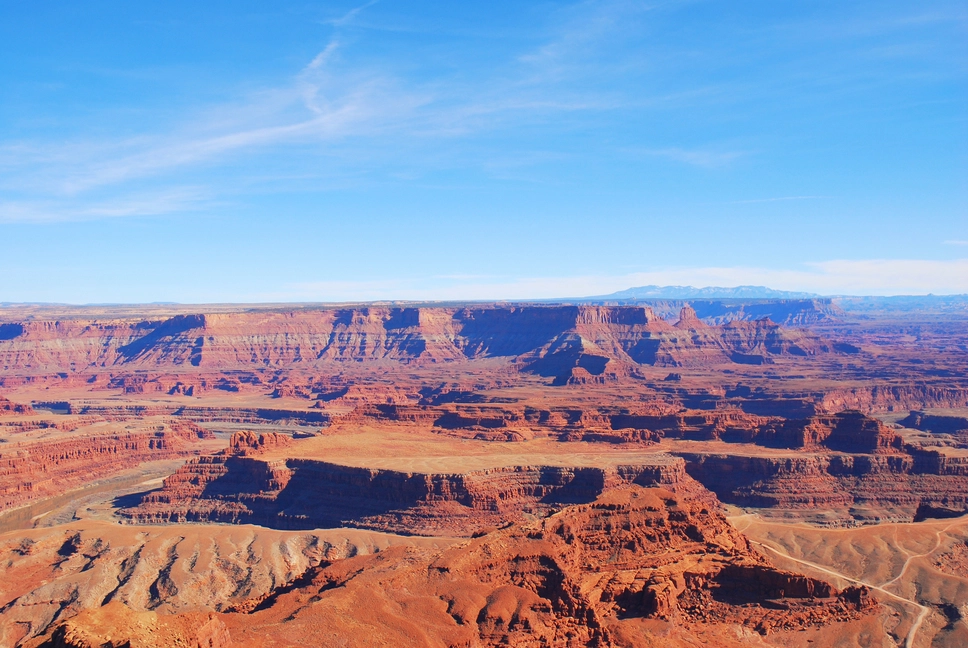
Upper Bryce offers steep, iconic amphitheater hikes and busy rim views, while Lower Bryce provides quieter overlooks and gentler, longer walks. Combine both sections by matching route choices to your fitness and time.
Bryce Canyon often looks simple on a map, with one scenic drive and a string of viewpoints. On the ground, though, travelers quickly discover that “Upper Bryce” and “Lower Bryce” feel like two very different parks. Choosing where to spend your limited time can change your entire experience, especially if Bryce is only one stop in a tight Utah itinerary or part of a self-guided tour of Salt Lake City and the national parks.
This article breaks down how Upper and Lower Bryce differ, which hikes and viewpoints are where, and what that means for your fitness level, time budget, and photography goals. You will also see how guided day tours from Salt Lake City can help you connect Bryce with other highlights across Utah, and when classic walking tours in Salt Lake City fit well around a longer national park adventure.
What do “Upper Bryce” and “Lower Bryce” actually mean?
Many visitors arrive at Bryce Canyon with a simple picture in mind: one rim, one amphitheater, one iconic photo. In reality, the park stretches along a high plateau, and local guides routinely divide it into Upper and Lower sections to help guests navigate the options.
How the park is laid out along the scenic drive
Bryce Canyon’s main road runs roughly north to south along the plateau. The northern cluster of viewpoints near the main services area is usually called Upper Bryce. The more distant viewpoints along the southern half of the road are known as Lower Bryce.
When you join an organized tour from Salt Lake City, guides often explain the layout early in the day. That way, you understand why the first hour might focus on shorter walks and overlooks in the north before driving farther south for broader vistas and quieter stops.
Defining Upper Bryce: the heart of the amphitheater
Upper Bryce usually refers to the section around the main amphitheater and the most famous overlooks. This is where first‑time visitors recognize the classic postcard views, and where infrastructure is concentrated.
Because the terrain drops sharply into the hoodoo-filled basin, Upper Bryce offers a blend of rim walks and steep descents into the formations. Group tours that want flexible options for different fitness levels often linger in this zone.
Defining Lower Bryce: the long views and quieter overlooks
Lower Bryce covers the viewpoints farther south. Here the canyon opens out and the scenery feels more expansive and less vertical. The overlooks are usually less crowded, which changes the pace and feel of the visit.
On multi-park trips from Salt Lake City, guides often time this part of the day later in the afternoon. The light softens, and guests who are tired from earlier hikes can still enjoy spectacular vistas with minimal walking.
How do Upper and Lower Bryce compare for viewpoints and scenery?
Both sections are spectacular but in different ways. If your time is limited, it helps to match the specific overlooks to your priorities, whether that is classic photos, broad panoramas, or quiet contemplation away from large groups.
Key viewpoints in Upper vs Lower Bryce
The table below summarizes how the most popular viewpoints differ across the two sections, focusing on walking effort and what you see from each stop.
| Area | Typical viewpoints | Walking effort | Scenery focus |
|---|---|---|---|
| Upper Bryce | Main amphitheater overlooks | Very short, usually near parking | Dense hoodoos, dramatic drops |
| Upper Bryce | Rimside viewpoints around the visitor area | Short walks on mostly flat paths | Classic Bryce “city of spires” views |
| Lower Bryce | Southern rim viewpoints | Short to moderate strolls | Wide canyon panoramas, distant plateaus |
| Lower Bryce | More remote overlooks | Short walks, fewer crowds | Quieter, big-sky views |
Upper Bryce is where you get that feeling of standing on the edge of a giant stone amphitheater. Lower Bryce, in contrast, feels more like a grand overlook across layers of mesas and forests, with the hoodoos as one element in a larger scene.
Light, photography, and crowd patterns
Serious photographers often prefer early morning or late afternoon in Upper Bryce. The angled light carves sharp shadows into the hoodoos and brings out rich orange tones. That schedule also helps you avoid the largest midday crowds near the main overlooks.
Lower Bryce works well for midday hours, especially on guided day tours from Salt Lake City that are working within a fixed driving schedule. The vistas are broad enough that overhead light is still flattering, and there is more room to spread out from other groups.
Which section feels more “remote” or wild?
Visitors who want to feel far from the main hub usually feel that Lower Bryce delivers more of that mood. The southern road sees fewer vehicles, parking areas are simpler, and many stops have a quiet, high-plateau atmosphere.
Upper Bryce can still feel wild once you drop off the rim into the canyon, but on the rim itself there is a clear sense of infrastructure and activity. For travelers who like a social, energetic environment with easy services, that is more a benefit than a drawback.
You found a hidden promo code!
Use code WOWBLOG at checkout and get 10% OFF any tour!
Limited time offer. Book now and save!
Browse ToursHow do the main hikes differ between Upper and Lower Bryce?
From a hiking perspective, Upper and Lower Bryce serve different needs. Upper Bryce excels at short, steep, iconic trails into the hoodoos. Lower Bryce favors longer, gentler walks that focus on distance and broad scenery rather than tight formations.
Upper Bryce: steep descents and classic loops
The hallmark hikes in Upper Bryce drop from the rim down into the amphitheater, then climb back up. These trails are not especially long, but the elevation changes are sharp, and the switchbacks can feel intense for those not used to altitude.
Guided national park tours from Salt Lake City often give guests the choice between staying on the rim or doing one of these loops, depending on fitness and how they feel after the drive. This flexibility is why Upper Bryce works so well as the core of a day visit.
Lower Bryce: longer, more gradual walks
In Lower Bryce, trails tend to be longer but with gentler profiles. Many walks follow the rim or traverse forested plateau areas with rolling ups and downs instead of steep drops and climbs.
This appeals to guests who want to stretch their legs after several hours in a vehicle but prefer not to tackle intense elevation losses and gains in a short time. It can also be a better match for families who want a calmer rhythm.
Comparing hiking profiles at a glance
The table below compares typical hiking experiences in each section. Specific distances and grades vary by route, but the general patterns hold across most standard options.
| Aspect | Upper Bryce routes | Lower Bryce routes |
|---|---|---|
| Typical distance | Short to moderate | Moderate to longer |
| Elevation change | Steep descents and climbs | Gentle, rolling terrain |
| Main focus | Inside the hoodoos | Big views, open spaces |
| Best for | Iconic photos, “wow” moments | Endurance walks, quiet time |
In simple terms, Upper Bryce is about intensity over a shorter distance. Lower Bryce is about distance and openness rather than steepness and tight canyon walls.
What are the pros and cons of Upper vs Lower Bryce routes?
Every section has strengths and limitations. Understanding both helps you build a realistic plan, especially when Bryce is one part of a longer journey from Salt Lake City through multiple national parks.
Advantages of Upper Bryce routes
- Iconic scenery: Upper Bryce delivers the archetypal Bryce Canyon views that many travelers imagine before they arrive.
- Flexible route options: You can choose between rim walks, steep descents, or simply enjoying the overlooks without committing to a long hike.
- Services nearby: Access to facilities and the main gathering area makes it simpler to adjust plans, regroup, or rest.
- Time-efficient: Short routes with big payoff work well on tight day tour schedules.
Advantages of Lower Bryce routes
- Fewer crowds: The southern section generally sees fewer visitors, so viewpoints feel calmer, even in busy seasons.
- Broader vistas: The scenery opens up to include distant plateaus and large sweeps of forest and desert.
- Gentler hiking: Rolling trails suit guests who want a steady walk without intense elevation changes.
- Sense of remoteness: Many travelers appreciate the quiet, high-country atmosphere far from the main hub.
Limitations to keep in mind
- Upper Bryce crowding: Popular overlooks can feel congested, which may reduce the sense of solitude some visitors expect in a national park.
- Upper Bryce steepness: Short but steep trails can be challenging for those sensitive to altitude or knee strain.
- Lower Bryce driving time: Reaching the southern viewpoints adds extra time on the road, which can be a factor on day trips with fixed return times.
- Lower Bryce subtlety: Some guests feel the hoodoos are less dramatic from these angles and prefer the concentrated formations in the north.
How do Bryce routes fit into day tours from Salt Lake City?
Travelers based in Salt Lake City often want to see as much as possible in a short window, from historic downtown to the famous landscapes of Utah. This is where organized itineraries become valuable, combining city exploration with mountain resorts and national parks.
Combining Salt Lake City walking tours with Bryce Canyon
Many visitors start with walking tours in Salt Lake City to get oriented. These small-group experiences explore central neighborhoods, historic buildings, and hidden corners that are easy to miss alone.
The benefit is twofold. You gain historical and cultural context for Utah and you can ask local guides for advice on everything from dining to day tours that connect the city to Bryce Canyon and the other national parks.
From city streets to ski slopes and red rock
Day trips from Salt Lake City also include ski resort transfers during winter, with help on orientation once you arrive at the slopes. This organized support reduces stress for first-time visitors who are unfamiliar with local road conditions and mountain logistics.
In warmer seasons, some guests blend a day on the slopes or high-mountain roads with a separate tour that focuses on the “Mighty Five” national parks. Bryce Canyon typically appears alongside Zion, Arches, Canyonlands, or Capitol Reef on these multi-park routes.
How guides structure time at Bryce on long day tours
Because travel times from Salt Lake City are significant, guides must balance driving with on-foot exploring. Very often, they concentrate active hiking in Upper Bryce where short, steep trails provide major impact in limited hours.
Lower Bryce may then serve as a scenic finale, with a series of viewpoints that require only short strolls. For guests already tired from earlier hikes or earlier days in Zion or Arches, this structure keeps the day rewarding without becoming overwhelming.
Practical examples: who should choose Upper, Lower, or both?
To make these differences concrete, it helps to imagine specific travelers and how their priorities shape route choices. The following scenarios mirror common patterns seen on MateiTravel’s guided tours in Utah.
Example 1: First-time visitor with one day in Bryce
Consider a couple visiting Utah for the first time with only one dedicated day for Bryce Canyon on a broader national parks itinerary. They want the “must see” views and a short but memorable hike, without pushing their fitness limits.
A guide might focus their time on Upper Bryce. The day could start with a rim overlook for orientation, followed by a compact loop into the hoodoos and back to the rim. After a rest and photo session, the group might stop at one or two Lower Bryce viewpoints purely for sweeping vistas before returning toward Salt Lake City.
Example 2: Experienced hiker on a multi-day Utah trip
Now imagine an experienced hiker traveling with friends. They already visited Arches and Canyonlands earlier in the week on guided tours that included shorter hikes. For Bryce, they want a longer, quieter walk without intense crowds.
In this case, a mixed plan works best. A morning loop through Upper Bryce provides the classic amphitheater experience. The afternoon then shifts to a long, rolling route in Lower Bryce, with the group finishing at a southern viewpoint where they can watch late light wash over the plateaus before returning to their accommodation or onward transport.
Example 3: Family group on a fast-paced Utah circuit
Finally, picture a family traveling from Salt Lake City with multiple generations. Some members love hiking. Others prefer gentle walks and plenty of photo stops.
A guide can split the day around Upper Bryce’s flexibility. Strong hikers drop into the canyon on a steeper trail while others remain on the rim or explore short segments of the path between overlooks. Later, everyone reunites to drive into Lower Bryce together for low-effort viewpoints that everyone can enjoy.
Common mistakes when choosing between Upper and Lower Bryce
Several predictable errors can limit how much visitors enjoy Bryce Canyon, especially when they are planning from afar without local input or trying to combine the park with other Utah highlights in a tight schedule.
Mistake 1: Underestimating elevation and steepness
Visitors often assume that short trails in Upper Bryce will feel easy because the distances look small on paper. The combination of altitude and steep switchbacks can surprise them, leading to exhaustion early in the day.
The solution is to treat even moderate distances with respect and to leave extra time for rest at the rim. Guided tours account for this by building in flexible options and by explaining the terrain before guests commit to a loop.
Mistake 2: Spending all the time at one section
Some travelers stay entirely in Upper Bryce because it is close to facilities, while others drive straight to the farthest overlook in Lower Bryce and never return north. Both approaches miss the contrasting character that makes the park memorable.
Even on a short day tour, visiting at least one viewpoint in both sections creates a more complete sense of the landscape. The variation keeps the day engaging for mixed-ability groups as well.
Mistake 3: Ignoring time lost to extra driving
On maps, the distance from Upper to Lower Bryce does not look large. Yet the combination of speed limits, stops for photos, and seasonal traffic can make the drive longer than expected.
Guests on fixed-return tours from Salt Lake City must keep this in mind. Spending too much time in the south can compress the return journey and leave less flexibility for spontaneous stops.
Mistake 4: Planning complex hikes without context
Online descriptions of Bryce trails sometimes underplay factors like trail conditions after storms or the impact of sun exposure at altitude. Independent travelers can overschedule their day, especially when combining Bryce with other parks on the same trip.
In brief, it pays to match your plan to current conditions and to your energy after previous days on the road. Many visitors prefer to let a guide adjust the plan on the fly, using local knowledge gathered from regular tours through Utah’s parks.

Practical tips for choosing and enjoying Bryce routes
If you want to connect Bryce Canyon with time in Salt Lake City and possibly other Utah icons, a few practical guidelines go a long way. They help you avoid the most common pitfalls and get more value from every hour on the ground.
Tip 1: Decide your priority scenery first
Ask yourself whether you care more about standing inside the hoodoos or looking across a vast landscape from above. If your answer is “inside,” focus on Upper Bryce routes that descend from the rim. If your answer is “across,” reserve time for several viewpoints in Lower Bryce.
Tip 2: Be honest about your hiking comfort
Consider how you felt on your last moderately steep hike at a similar altitude. If that memory includes heavy breathing and sore knees, favor rim walks in Upper Bryce and rolling trails in Lower Bryce rather than steep loops.
Guided tours that depart from Salt Lake City usually include clear information on duration, distance, and terrain. Use those descriptions to choose options that match your group’s capabilities.
Tip 3: Use city-based days to recover and plan
Days spent on foot in Salt Lake City, whether on a walking tour of Salt Lake City or exploring on your own, can double as recovery days between national park hikes. The terrain is gentler, and you can adjust your pace easily.
Walking tours in Salt Lake City are also a chance to refine your national park plan. Local guides can share up-to-date impressions on road conditions, crowd patterns, and seasonal highlights from recent visits to Bryce, Zion, or Arches.
Tip 4: Consider a guided national park circuit
For travelers who prefer to avoid the stress of route planning, one option is to join a tour that links multiple parks from Salt Lake City. These trips handle transport, timing, and interpretation, leaving you free to focus on the experience itself.
On such circuits, time at Bryce is carefully scheduled so that you see both Upper and Lower sections in a realistic way. That level of coordination is difficult to match when you are managing long-distance driving, navigation, and weather checks by yourself.
Tip 5: Balance Bryce with other Utah landscapes
Bryce Canyon is only one part of a broader Utah story that includes ski resorts, salt flats, high desert, and wildlife-rich islands. Day tours from Salt Lake City can take you to places such as the Bonneville Salt Flats or Antelope Island, often at accessible prices with clear route descriptions and guide support.
These contrasting environments highlight why Upper and Lower Bryce feel so special. The more of Utah you see, the easier it is to appreciate the uniqueness of its hoodoo amphitheaters and high plateaus.
How MateiTravel helps you make the most of Upper and Lower Bryce
In practice, most travelers do not visit Bryce Canyon in isolation. They weave it into a wider Utah journey that starts or ends in Salt Lake City. That is where a coordinated approach to both city and nature experiences becomes valuable.
City foundations: walking tours and self-guided exploring
MateiTravel offers small-group walking tours in downtown Salt Lake City guided by locals who know the city’s history, planning, and hidden courtyards. These experiences are ideal for your first day in town, when you want orientation without the stress of driving.
After a guided introduction, you can continue with a more self-guided tour of Salt Lake City using the insights you gained. Knowing where the historic buildings are and how the city grid works makes independent exploring much more rewarding.
Mountain and desert connections from Salt Lake City
From that base, MateiTravel can organize day trips to nearby ski resorts with flexible time on the slopes, along with support to help you understand each resort’s layout. This reduces uncertainty for new visitors and gives experienced skiers quick access to local information.
For national park lovers, MateiTravel runs tours from Salt Lake City that visit Bryce, Zion, Arches, Canyonlands, and Capitol Reef. These itineraries include transport, commentary on geology and history, and carefully chosen stops for photos and short hikes.
Why guided structure matters at Bryce
National park planners emphasize that visitor experience improves significantly when route choices match realistic time and energy budgets instead of ambitious wish lists.
Interpretive Planning Insight, 2023
At Bryce Canyon, this means allocating time between Upper and Lower sections in a way that reflects your group’s stamina and interests. MateiTravel’s guides do this every week, adapting the day’s sequence based on real-time conditions and guest feedback.
The result is a balanced experience that showcases both the intensity of Upper Bryce and the calm sweep of Lower Bryce, while still fitting comfortably within a broader Utah itinerary.
Upper and Lower Bryce offer two complementary versions of the same extraordinary landscape. The upper section delivers steep, high-impact routes and classic amphitheater views, while the lower section opens into wider panoramas and quieter, more gradual walks.
When you plan carefully, you can experience both personalities even on a single day that starts and ends in Salt Lake City. The key is to align your route choices with your fitness, time, and appetite for crowds.
If you want expert help weaving Bryce Canyon into a larger Utah story that includes city life, ski slopes, and other national parks, consider exploring with MateiTravel. Thoughtful itineraries and local guides make it far easier to enjoy the best of Upper and Lower Bryce without worrying about the logistics.
Sources
— National Park Visitor Use and Experience Study (2023)
— Utah Scenic Byway and Parks Planning Overview (2022)
— Interpretive Planning Insight, Visitor Experience Report (2023)
— Regional Outdoor Tourism Trends, Mountain West Analysis (2024)
FAQ
What is the main difference between Upper and Lower Bryce routes?
Upper Bryce centers on the main amphitheater with short, often steep trails that drop into dense hoodoo formations. Lower Bryce features broader, quieter viewpoints and longer, more gradual walks that emphasize wide panoramas instead of tight canyon walls.
Which section of Bryce is better for short hikes on a day tour from Salt Lake City?
Upper Bryce usually works better for short hikes on a tight schedule. You can descend into the hoodoos on compact loops or stay along the rim and still enjoy classic views, which fits well within the time limits of a day tour that starts and ends in Salt Lake City.
Is Lower Bryce worth visiting if I have limited time?
Yes, even one or two viewpoints in Lower Bryce add a different dimension to your visit. The southern section offers quieter overlooks and wider vistas, so a brief stop there complements the more intense amphitheater experience in Upper Bryce.
How do MateiTravel tours typically split time between Upper and Lower Bryce?
MateiTravel guides often focus active hiking in Upper Bryce where short, steep routes give strong visual rewards, then use Lower Bryce for scenic stops that require only short strolls. This balance keeps the day satisfying without exhausting guests who are also visiting other Utah parks.
What common mistake should I avoid when choosing Bryce routes?
A frequent mistake is underestimating how demanding short, steep trails in Upper Bryce can feel at altitude. Visitors sometimes plan too many descents and climbs, so it is smarter to mix a single canyon loop with rim walks and lower-effort viewpoints, especially on a multi-park trip.
How can walking tours in Salt Lake City improve my Bryce Canyon trip?
Walking tours in Salt Lake City help you understand local history and logistics while giving you a relaxed day between demanding hikes. Local guides also share up-to-date advice on crowd patterns and route choices in parks like Bryce, Zion, and Arches, which can refine your plan.
Are Lower Bryce trails suitable for families or less experienced hikers?
Lower Bryce generally offers gentler, rolling terrain that many families and newer hikers appreciate. The longer routes provide steady movement without intense elevation changes, and the nearby viewpoints offer big scenery with only short walks from the car or tour vehicle.
Can I realistically see both Upper and Lower Bryce in one day?
Yes, with careful planning you can visit at least one viewpoint in each section in a single day. Guided tours from Salt Lake City structure the route to highlight key overlooks and a manageable hike, ensuring you experience both the amphitheater’s intensity and the southern section’s broader vistas.

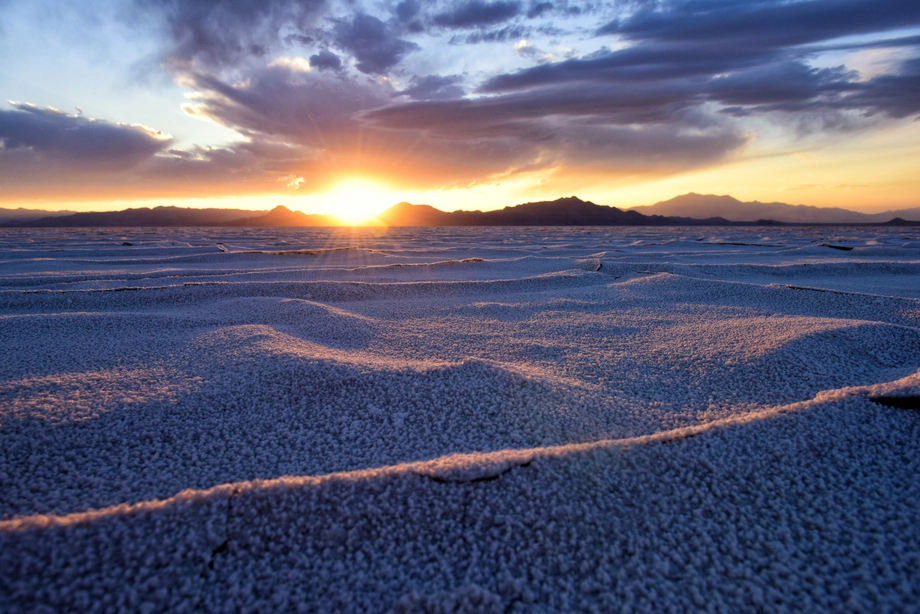 Bonneville Salt Flats – Sunset Adventure of the White Desert
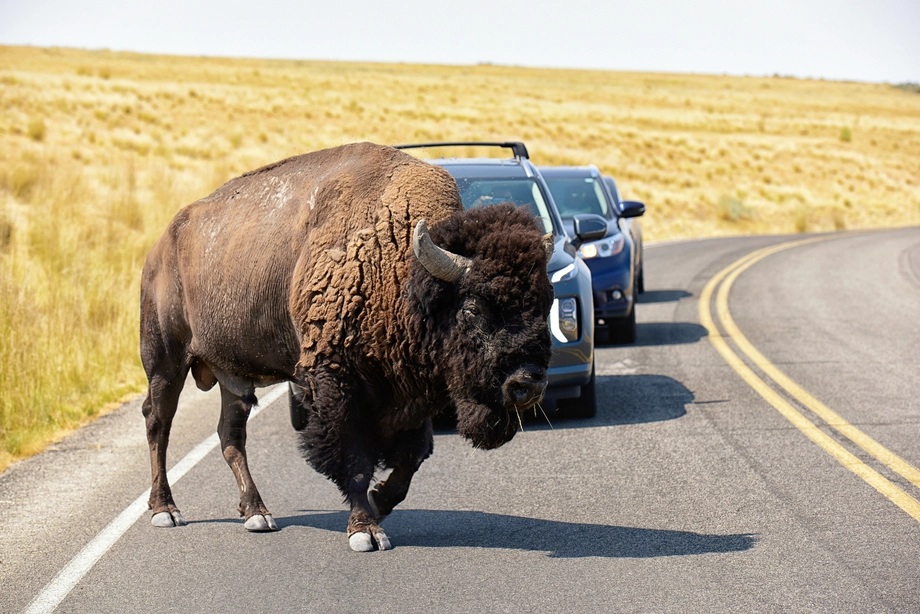 Antelope Island – Wild Heart of the Great Salt Lake Adventure
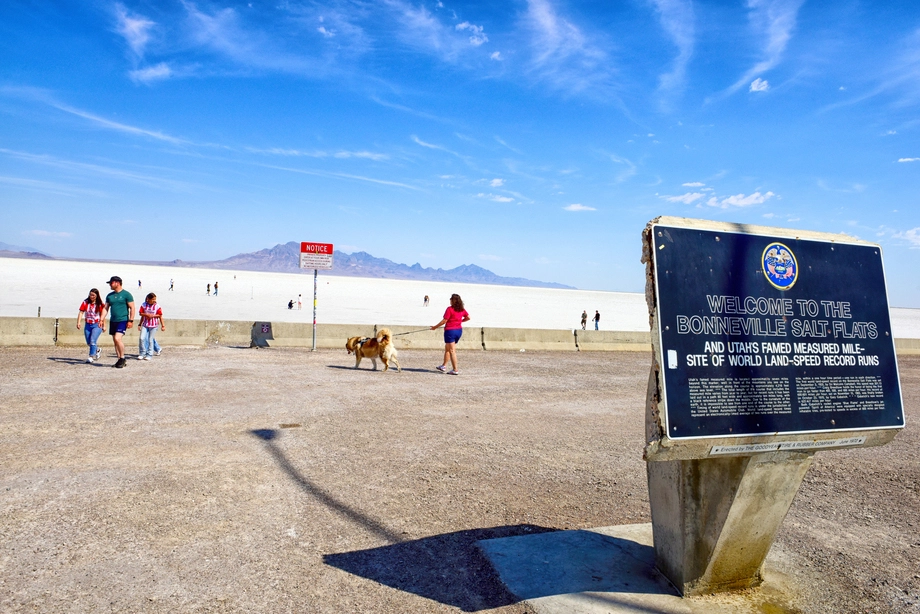 Bonneville Salt Flats – Journey to the Edge of the World
 Salt Lake City – The City of Zion. Historical Interactive Walking Tour
 Antelope Island Sunset Wildlife Expedition – Great Salt Lake Odyssey