
Top-7 Summer Trails With Shade and Water Near Salt Lake City (Plus Tours)
Feb 3, 2026
Seven Utah trails near or reachable from Salt Lake City offer a mix of shade and water. Combine them with guided and self-guided city and national park tours to stay cooler and hike comfortably in summer.
Utah in summer is beautiful, but the heat can turn a casual hike into a struggle if you choose the wrong trail. Visitors often land in Salt Lake City excited to explore, only to discover that many classic desert routes offer almost no shade and very little water. With the right planning, though, you can spend your days on cooler, greener paths that follow streams, rivers, or canyon bottoms and still see the dramatic landscapes you came for.
This guide walks you through seven of the best trails in Utah for summer days, all with some combination of shade and water. You will also see how guided walking tours in Salt Lake City, day trips to Utah’s ski resorts, and national park tours starting from the city can fit into a low‑stress, well‑planned summer itinerary. Along the way you will get concrete examples, pros and cons, common mistakes, and practical tips for staying safe and comfortable.
Why choose shaded trails with water in a Utah summer?
Heat and comfort on the trail
Summer in Utah often brings high daytime temperatures, especially in exposed desert or high‑plateau areas. Long, unshaded hikes can quickly lead to dehydration, headaches, and sheer fatigue, even if you are reasonably fit. When you pick routes that follow creeks or rivers, with trees or canyon walls creating shade, you cut direct sun exposure and usually benefit from a slightly cooler microclimate.
That does not mean you should only walk beside rivers all day. It means mixing your itinerary so that the hottest hours of the day are spent under trees or in narrow canyons, while more exposed viewpoints are saved for early morning or late afternoon. Trails with water nearby also make it easier to cool off by dunking a hat or scarf, which can make a huge difference on a long day outside.
Health and safety around recreational water
Many travelers see a clear stream and instantly want to jump in. Short, careful dips can be refreshing, but it is worth remembering that natural water is not the same as a controlled swimming pool. One systematic review found that people who swim in recreational water have a higher risk of respiratory illness compared to those who do not.
“Swimmers present a higher risk of respiratory illness compared to non-swimmers [RR = 1.63 (95% CI: 1.34-1.98)].”
So, when you hike shaded creek trails, enjoy the cooler air and the sound of flowing water. If you choose to get in, avoid swallowing water and do not swim if you have cuts or a weakened immune system. Trails with water are about comfort and scenery first, swimming second.
Where shade and water overlap near Salt Lake City
Salt Lake City is a strong base for this kind of hiking. You have green canyons like Millcreek, Big Cottonwood, and Little Cottonwood just a short drive from downtown. You can also start with walking tours in Salt Lake City’s center to understand the city’s layout, then head for shaded canyon walks in the afternoons.
For national park fans, tours to Utah’s “Mighty Five” from Salt Lake City usually include short walks along rivers and to waterfalls or seeps. These shorter shaded hikes break up longer scenic drives and help you manage the heat, especially if you are traveling with kids or older family members.
Trail 1: City Creek Canyon – cool escape right from downtown
What to expect on City Creek Canyon Trail
City Creek Canyon starts only a short distance from the Utah State Capitol. The lower part of the canyon is paved and follows a small creek under a surprisingly dense canopy of trees. This makes it one of the easiest places to find shade and the sound of running water without leaving the city.
The grade is gentle, so you can choose how far to walk, then turn around when you have had enough. Benches and pullouts along the way give you plenty of places to rest, watch birds, or just cool down beside the stream.
Who this trail is best for
City Creek is ideal if you just arrived in Salt Lake City, are jet‑lagged, and want a low‑effort walk to reset your body clock. It suits families with strollers, casual walkers, and anyone who prefers a relaxed stroll instead of a full hike. Because it is close to the city center, it pairs naturally with a more structured walking tour earlier in the day.
If you enjoy hearing the backstory of the city, a guided walking tour in downtown can give context to how the city was planned and built. After that, you can walk or take a short ride to City Creek Canyon for a quiet, cooler afternoon along the water.
How to combine with city walking tours
Many visitors like to start their first day with small‑group walking tours in Salt Lake City. Local guides lead you around historic buildings and hidden spots, with time for questions because the groups stay small. Once you know the key areas and have a mental map of downtown, City Creek Canyon becomes an easy and logical extension.
If you prefer a slower pace, you can design a self‑guided walking tour of Salt Lake City in the morning, using online route descriptions that detail distance and elevation, then add City Creek as your “green break” whenever the streets start feeling too hot.
You found a hidden promo code!
Use code WOWBLOG at checkout and get 10% OFF any tour!
Limited time offer. Book now and save!
Browse ToursTrail 2: Jordan River Parkway – long green corridor through the valley
Route features and scenery
The Jordan River Parkway is a multi‑use path that runs along the river through much of the Salt Lake Valley. Sections of the trail offer mature trees, river views, and access to small parks where you can rest in the shade. It is less of a wilderness hike and more of a continuous green corridor through urban and suburban areas.
You can pick shaded segments near Salt Lake City and do out‑and‑back walks rather than trying to cover huge distances. Some stretches are more open, but if you focus on park‑like areas you can keep a good amount of shade while staying close to the water.
Who will enjoy the Jordan River Parkway most
This parkway is perfect for travelers who want an easy, flat walk and do not mind sharing the path with locals on bikes or jogging. It is also useful if you are piecing together your own free walking tour of Salt Lake City and neighboring communities, since you can link business districts, neighborhoods, and green spaces without needing a car.
Families appreciate the mix of playgrounds, river access points, and picnic areas. You get a taste of daily life in the valley while still having a cooler, shaded place to move after a morning of city sightseeing.
Practical tips for this trail
Because it runs through the city, amenities like water fountains and restrooms are easier to find than on canyon hikes. Still, you should carry your own bottle, sunscreen, and basic snacks. Try to walk earlier or later in the day so you can favor shaded sections when the sun is lower.
In short, if you want water and shade mixed with an urban vibe, the Jordan River Parkway is a flexible and friendly option that can fit almost any schedule.
Trail 3: Millcreek Canyon Pipeline Trail – classic shady canyon walk
Why Millcreek works so well in summer
Millcreek Canyon sits just east of Salt Lake City and offers some of the most reliable shade close to town. The Pipeline Trail in particular tends to contour along the canyon side with frequent tree cover and views down to the creek. You hear water for much of the route, even if you are not always right next to it.
The grade is moderate, and you can choose a shorter section if you are not up for a full outing. This flexibility makes it a common pick for guided day trips that want to balance effort, scenery, and safety in hotter months.
Who should choose the Pipeline Trail
This trail suits hikers with average fitness who want a “real hike” rather than a simple stroll. It is a good break if you have spent a day on structured walking tours in Salt Lake City and now want quiet time in nature without a long drive to southern Utah.
Couples, small groups of friends, or families with older kids often enjoy Millcreek because it feels wild but still close to the city. You get canyon views, forest, and the sound of water, which is exactly what many travelers imagine when they book a summer trip to Utah.
How it fits into a broader Utah itinerary
Millcreek can serve as a warm‑up before longer adventures. If you are joining tours from Salt Lake City to national parks like Zion or Bryce Canyon later in your trip, a half‑day in Millcreek helps you test gear, shoes, and your comfort level walking on dirt trails. It also gives guides or trip planners a sense of what distance feels good for your group.
For visitors who rent a car only for certain days, Millcreek is close enough that you might combine it with a half‑day city itinerary, picking up the vehicle just for your canyon escape.
Trail 4: Big Cottonwood Canyon – Donut Falls
Trail highlights
Donut Falls is one of the most popular short hikes in Big Cottonwood Canyon. The route winds through forest to a creek and then up toward a waterfall that pours through a round opening in the rock. The forested approach offers valuable shade, and the creek adds a cooling element even on hot days.
The walk is relatively short compared to full‑day mountain hikes, which makes it attractive for families and mixed‑ability groups. You still feel like you are in alpine surroundings, with steep canyon walls and tall trees.
Who this trail suits
Day tours from Salt Lake City to Utah’s ski canyons often include short hikes like Donut Falls in summer. These trips appeal to couples, friends, and families who want an organized experience without having to navigate canyon parking rules or local quirks on their own.
If you are a confident hiker, you can certainly do this as a self‑planned outing. However, first‑time visitors may appreciate having someone local handle timing, transportation, and on‑trail support, especially if you have kids or older relatives who may need a slower pace.
Linking ski‑area day trips with water‑rich trails
Many Utah ski resorts sit at the top of canyons that are full of streams and shaded paths in summer. Organised day trips from Salt Lake City to these resorts can give you flexible time on trails and in mountain meadows without diving into every local detail yourself. Guides help you orient at the resort, suggest suitable routes, and share local stories.
This approach keeps stress low for new hikers while still letting experienced walkers find extra loops along creeks or lakes. It also blends well with a longer Utah itinerary, adding mountain coolness between hotter national park days.
Trail 5: Little Cottonwood Canyon – Albion Basin creekside paths
What makes Albion Basin special
Albion Basin, near the top of Little Cottonwood Canyon, is known for wildflowers and cool mountain air in midsummer. Small streams cross the meadows, and patches of forest offer intermittent shade. You can follow informal paths near the creeks or choose marked routes that keep you close to water for part of the time.
The elevation is higher here than in the city, which usually means cooler temperatures. Combined with water and partial shade, it feels like a different world from the hot valley floor below.
Who will love this area
Albion Basin is perfect if you want a soft‑adventure day with strong scenery but without a big mileage commitment. Couples and groups of friends often appreciate the combination of flowers, streams, and open views. Families enjoy the “wow factor” without needing a full day of hiking.
It also pairs well with other organized day tours in Utah. For instance, you can spend one day exploring the Bonneville Salt Flats or Antelope Island with a guide, then book a separate day focused on alpine meadows and creekside walks in Little Cottonwood.
Planning your visit
Since Albion Basin is accessed via Little Cottonwood Canyon, you need to factor in canyon traffic and parking. Joining a day trip that includes transport to a ski area near the basin can remove the parking puzzle and allow you to focus on enjoying the trails. Guides can help you choose creek‑adjacent segments that match your energy level and the day’s weather.
To sum up, if you want cooler temperatures, gentle water features, and some shade without leaving the Wasatch Range, Albion Basin is hard to beat in mid to late summer.
Trail 6: Zion National Park – Riverside Walk
Why Riverside Walk is a top summer pick
Riverside Walk in Zion National Park follows the Virgin River through a narrowing canyon. High walls often block direct sun for parts of the day, and the river runs right beside the paved trail. The combination creates a cooler corridor compared to the exposed viewpoints you might visit earlier or later in your schedule.
The walk is mostly flat and very accessible, which means almost everyone in a group can do it. You can stop at shaded bends where the canyon turns, watch the water, and cool off before heading back.
Who should put this trail on their list
Tours from Salt Lake City to Zion usually focus on iconic viewpoints and short hikes. Riverside Walk fits perfectly into that format because it does not require special gear and can be tailored to the time you have. It works well for families, older travelers, and anyone who wants the feel of a slot canyon without committing to more technical routes.
If you are already considering a national park tour from Salt Lake City, ask specifically which river‑side or shaded trails are included. Riverside Walk is often one of the most refreshing options during hot months.
How it fits within a “Mighty Five” style itinerary
Many visitors want to see several of Utah’s national parks, including Zion, Bryce Canyon, Arches, Canyonlands, and Capitol Reef. Guided tours that start from Salt Lake City typically include transfers, scenic drives, and time at key overlooks. Interspersing those scenic stops with river trails like Riverside Walk helps prevent “car fatigue” and keeps everyone more comfortable.
You might have a morning of viewpoints, then spend the hotter hours near the water in shade before continuing to another park or back toward the city. Done right, this rhythm makes your whole trip feel more balanced.
Trail 7: Bryce Canyon – Mossy Cave Trail
Trail overview
Mossy Cave Trail sits in a lower, less visited section of Bryce Canyon National Park. The short route follows a stream, passes small cascades, and reaches a recessed, mossy alcove that stays cooler than nearby exposed ridges. You still see hoodoo formations, but with more greenery and water than on the park’s rim trails.
The distance is modest, so it is an easy add‑on to a day of viewpoints and short rim walks. Because of the stream and shaded pockets near the cave, this trail can feel noticeably cooler during peak heat.
Who benefits most from this route
Groups traveling from Salt Lake City to multiple national parks often appreciate one or two shorter, water‑adjacent trails each day. Mossy Cave is ideal on Bryce days, especially if you have younger children or anyone in your party who tires quickly in the sun. It gives them a “reward” hike that feels gentle but still memorable.
For photographers, the contrast of water, moss, and orange rock is a pleasant shift from the typical Bryce overlook compositions. If you are on a guided tour, a local guide can point out the best times of day for softer light and cooler air.
Integrating Mossy Cave into guided tours
Tours to national parks in Utah that start from Salt Lake City are designed with clear information on duration, distances, and terrain. Asking whether Mossy Cave is included or can be added as a short stop is worth it if traveling in summer. It offers an excellent balance between scenic value, shade, and the cooling effect of a stream.
Even if you are visiting Bryce independently, sketch your day around cooler periods, putting more exposed rim views in the evening and saving Mossy Cave or other creekside walks for earlier, warmer windows.
Pros and cons of choosing shaded, water‑rich trails and guided tours
Key advantages
- Better comfort in heat: Shade from trees or canyon walls plus proximity to water keeps perceived temperature lower and hiking more pleasant.
- Flexible distances: Many creekside or riverside routes are out‑and‑back, so you can turn around when you want without feeling locked into a loop.
- Family‑friendly terrain: Trails like City Creek Canyon, Riverside Walk, and Mossy Cave are accessible for a wide range of ages and fitness levels.
- Guided context: Small‑group walking tours and national park trips add stories about history, geology, and local life that you might miss on your own.
- Reduced logistics stress: Transfers, parking, and canyon rules are handled for you on organized day tours, leaving you free to enjoy the scenery.
Limitations to keep in mind
- Crowds on easy trails: Popular shaded routes near water can get busy at peak times, so solitude is not guaranteed.
- Limited challenge: If you crave long, steep hikes, some of the shorter water‑rich trails may feel too mild.
- Schedule constraints: Guided tours run on fixed timetables, which might limit your time on a particular trail or overlook.
- Variable shade: Depending on time of day and season, parts of a trail that are usually shaded can still be exposed for stretches.
- Water‑related risks: Streams and rivers bring wet rocks, potential for slips, and, for swimmers, a higher risk of some illnesses compared to staying dry.

Common mistakes hikers make on summer shade‑and‑water trails
Underestimating sun exposure
Many visitors assume that “shaded trail” means constant cover, but gaps in the canopy or open segments can add up, especially at high elevation. Hikers sometimes skip sunscreen or hats because the first few minutes feel cool. Later, they end up sunburned or overheated.
To avoid this, treat every summer hike as partly exposed. Wear a brimmed hat, apply sunscreen, and bring lightweight long sleeves even if your chosen route is described as mostly shaded.
Overconfidence near water
Another common mistake is assuming every creek or river is safe for full immersion. People wade into fast current, climb on wet rocks near waterfalls, or let kids play right at the edge without supervision. Slips and minor injuries are frequent on smooth, wet stone.
Stay back from the fastest current, keep a close eye on children, and wear shoes with good grip. If you choose to swim or splash, remember the increased risk of some illnesses among swimmers and avoid swallowing water.
Poor timing during the hottest hours
Visitors sometimes schedule long drives in the morning and then attempt hikes right at midday when temperatures peak. Even shaded routes feel more draining at that time, and the urge to rush can lead to mistakes like skipping snacks or water breaks.
Flip the script when you can. Walk in the early morning or late afternoon, and save long transfer periods for hotter windows, especially if you are on flexible day tours in Utah rather than a rigid timetable.
Choosing trails that do not match the group
Groups occasionally pick hikes based on photos rather than realistic distances and elevations. That might lead to tired children, stressed adults, or a split group where some people turn back early. It is particularly common when travelers plan a free self‑guided walking tour of Salt Lake City and then add a more demanding mountain route in the afternoon.
Look closely at route descriptions. If you join a guided walking tour or national park trip, share your group’s fitness level up front so the guide can adjust the day toward easier or more challenging options.
Ignoring local route descriptions
Utah’s canyons and national parks often have detailed, locally produced descriptions of trail distance, surfaces, and slope. Visitors sometimes skip these and rely only on quick online reviews, which may not reflect current conditions.
Before heading out, read recent descriptions from tour providers or park services. On MateiTravel itineraries, for example, route information such as duration, distance, and terrain is clearly laid out so you know exactly what you are getting into.
Practical tips for enjoying summer shade‑and‑water trails
Smart packing and clothing
- Carry enough water: Even on short, cool‑feeling walks like City Creek or Mossy Cave, bring your own bottle and sip regularly.
- Wear quick‑dry layers: Lightweight, breathable clothing dries faster if you splash in a creek or get hit by waterfall spray.
- Add simple extras: A small towel, bandana, and spare socks make it easier to manage damp feet and stay comfortable.
Plan your daily rhythm around heat
- Walk early or late: Put most of your trail time into hours when the sun is lower, particularly for more open segments.
- Use midday for transfers: Let bus or van transfers in national park tours cover the hottest hours while you sit in shade or air‑conditioning.
- Mix city and canyon: Combine a morning walking tour in Salt Lake City with an afternoon canyon stroll instead of stacking two exposed activities together.
Use guided tours strategically
- Start your trip with a city tour: A guided, small‑group walking tour downtown on day one gives you context, then you can plan cooler canyon or river walks for the next days.
- Pick day tours with clear trail info: Choose tours to Utah’s national parks or ski canyons that spell out hike length, elevation, and expected heat level.
- Ask for shade‑focused options: When booking with MateiTravel, mention your preference for shaded routes with water so your guide can prioritize trails like Riverside Walk or Mossy Cave.
Guided vs self‑guided: which fits your summer plans?
Comparing guided walking and self‑guided exploring
If you are deciding between a guided walking tour or building your own free walking tour of Salt Lake City and nearby nature, it helps to compare the trade‑offs side by side. The same applies when choosing between fully organized national park tours and driving yourself.
| Experience type | Main benefits | Main drawbacks |
|---|---|---|
| Guided city walking tour | Local stories, small groups, easy questions, clear route | Fixed schedule, less spontaneous wandering |
| Self‑guided walking tour of Salt Lake City | Full flexibility, can be free, choose your own pace | More research required, no live guide to answer questions |
| Guided national park or canyon tour | Transport included, curated viewpoints and shaded trails | Group pace, set timing at each stop |
| Independent driving and hiking | Maximum freedom, can linger where you like | Handle all logistics, parking, and navigation yourself |
When guided makes more sense
Guided options shine when your time is short or your group is mixed in age and fitness. Tours to national parks from Salt Lake City handle transfers, parking, and navigation so you can simply step out at trailheads and enjoy short shaded walks to rivers, overlooks, and arches.
They also work well if you are nervous about driving unfamiliar canyon roads or want expert commentary on geology and history to bring the landscape to life.
When self‑guided is a good fit
A self‑guided walking tour of Salt Lake City is attractive if you enjoy wandering at your own pace and have enough time to read about what you are seeing. You can connect downtown squares, hidden corners, and riverside paths like the Jordan River Parkway with complete scheduling freedom.
Independent canyon and park days can also be rewarding for experienced hikers who already know how to read maps, plan around heat, and adjust routes when conditions change.
Example itineraries using shaded, water‑rich trails
Example 1: Two days based in Salt Lake City
Imagine you have just two full days in Salt Lake City. On day one, you join a small‑group walking tour in the historic center in the morning. A local guide introduces key buildings, planning decisions, and hidden alleys, and you get a feel for the city’s evolution.
After lunch, you walk or take a short ride to City Creek Canyon for a shaded out‑and‑back stroll along the water. You end the day with dinner downtown. On day two, you spend the cooler morning hours in Millcreek Canyon’s Pipeline Trail, followed by a leisurely afternoon segment on the Jordan River Parkway, linking parks and shaded river bends.
Example 2: Short “Mighty Five flavor” trip from Salt Lake City
Now consider a four‑day visit focused on national parks. You start in Salt Lake City, then join a guided tour that covers Zion and Bryce Canyon with transfers, scenic stops, and short hikes. At Zion, you walk Riverside Walk along the Virgin River during a hot midday slot. At Bryce, you add Mossy Cave Trail for a cooler streamside experience.
The tour returns you to Salt Lake City with clear, published information on each day’s duration and walking distances so you are never guessing. On your final day, you join a half‑day city walking tour or explore on your own before flying out. In this style of trip, shaded, water‑rich trails act as anchors that keep your energy and comfort levels steady.
Key comparison: the seven trails at a glance
Difficulty and shade overview
To help you choose among the seven trails described above, here is a quick comparison of difficulty, shade, and water access.
| Trail | Approximate difficulty | Shade level | Water presence |
|---|---|---|---|
| City Creek Canyon (SLC) | Easy, paved lower section | High in lower canyon | Creek alongside much of route |
| Jordan River Parkway (SLC) | Easy, mostly flat | Variable, park segments shaded | River follows entire corridor |
| Millcreek Pipeline Trail | Easy to moderate | Moderate to high, forested | Creek audible or visible in sections |
| Donut Falls (Big Cottonwood) | Easy to moderate | Moderate forest shade | Creek and waterfall at end |
| Albion Basin paths | Easy to moderate | Mixed meadow and tree shade | Small streams and seeps |
| Riverside Walk (Zion) | Easy, mostly flat | Good canyon wall shade | Virgin River beside trail |
| Mossy Cave (Bryce) | Easy, short | Partial shade near cave | Stream and small falls |
Choosing based on your priorities
If maximum shade and simplicity matter most, City Creek Canyon or Riverside Walk should be high on your list. For a mix of mountain views and cooler air, focus on Donut Falls and Albion Basin. Travelers looking for the most family‑friendly national park experiences will find Mossy Cave and Riverside Walk particularly forgiving.
In short, there is no single “best” trail. There are better or worse matches for your group, time, and comfort with heat. Use the table above as a starting point, then adjust for weather and your broader itinerary.
Summer in Utah does not have to mean baking in the sun on every hike. By choosing routes with shade and running water, from City Creek Canyon and Millcreek near Salt Lake City to Riverside Walk and Mossy Cave in the national parks, you can stay cooler and enjoy your days more. Pairing guided walking tours, day trips to ski canyons, and national park tours from Salt Lake City with self‑guided strolls along rivers and creeks gives you a flexible, low‑stress way to explore.
The key is to match trail choice, timing, and support level to your group’s needs. If you would like expert help building a comfortable summer itinerary around these seven trails and more, consider planning your trip with MateiTravel so you can focus on the experience, not the logistics.
Frequently Asked Questions
Which of the seven trails is easiest for a first afternoon in Salt Lake City?
City Creek Canyon is usually the best first‑day choice. The lower section is paved, shaded, and follows a creek, so you can walk as far as you like and turn back easily if you are tired from travel.
How can I combine a city walking tour with a shaded trail in one day?
A practical plan is to take a guided or self‑guided walking tour of downtown Salt Lake City in the morning, then head to City Creek Canyon or the Jordan River Parkway in the afternoon. That way you learn the city’s history first, then cool off beside water under trees.
What is the main difference between Riverside Walk and Mossy Cave Trail?
Riverside Walk in Zion follows the Virgin River through a narrowing canyon with good wall shade and is almost entirely flat. Mossy Cave Trail in Bryce is shorter, follows a stream past small falls, and ends at a cooler mossy alcove but includes some gentle uphill sections.
Are guided tours from Salt Lake City worth it for these shaded trails?
Guided tours are especially valuable if you want stress‑free logistics and clear information about distance, terrain, and timing. They handle transfers to canyons or national parks, pick shaded routes like Riverside Walk or Mossy Cave, and are ideal if your time is limited.
How do I avoid overheating even on shaded, water‑rich hikes?
Start early or late in the day, wear a hat and sunscreen, and carry enough water even if the trail feels cool at first. Use shaded, creekside routes like Millcreek Pipeline or Donut Falls during the hottest hours and save exposed viewpoints for cooler times.
Is it safe to swim in streams along these trails?
Short, careful dips can be refreshing, but natural water carries some risks. One study found that swimmers in recreational water had a higher risk of respiratory illness than non‑swimmers, so avoid swallowing water and be cautious on slippery rocks.
What if my group has mixed fitness levels?
Choose shorter, easy routes such as City Creek Canyon, Riverside Walk, or Mossy Cave, which allow people to turn around without committing to a long loop. On guided tours, tell your operator about your group’s abilities so they can select appropriate shaded, water‑rich trails.
Can I explore Salt Lake City for free without a guide?
Yes, you can design a free self‑guided walking tour of Salt Lake City using online maps and route descriptions. You can link historic downtown sites with green spaces and riverside paths like sections of the Jordan River Parkway at your own pace.
How do Utah ski‑area day trips fit into a summer hiking plan?
Day trips from Salt Lake City to ski resorts bring you to higher, cooler elevations with creeks and shaded meadow paths, such as in Albion Basin. They offer flexible trail time and remove the need to manage canyon parking or local driving rules on your own.

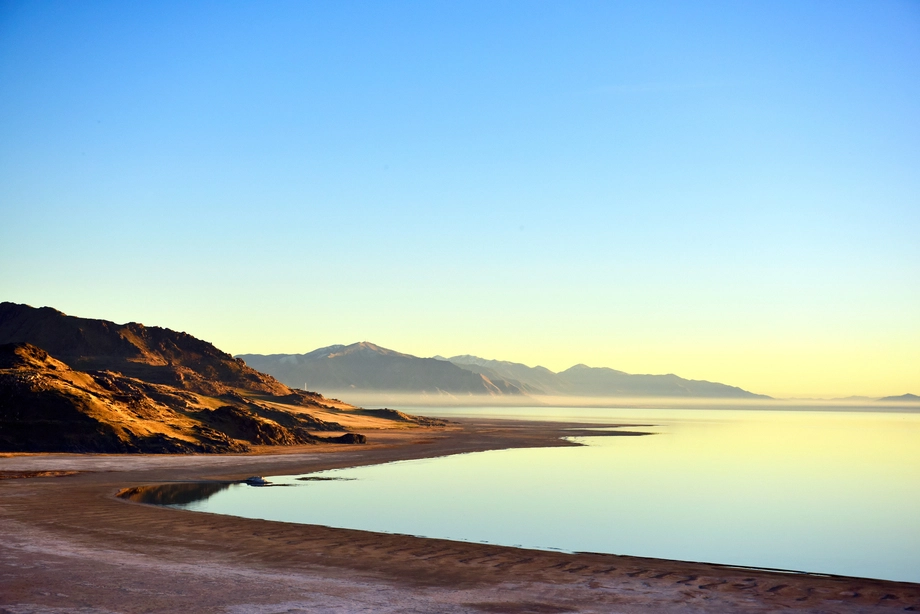 Antelope Island Sunset Wildlife Expedition – Great Salt Lake Odyssey
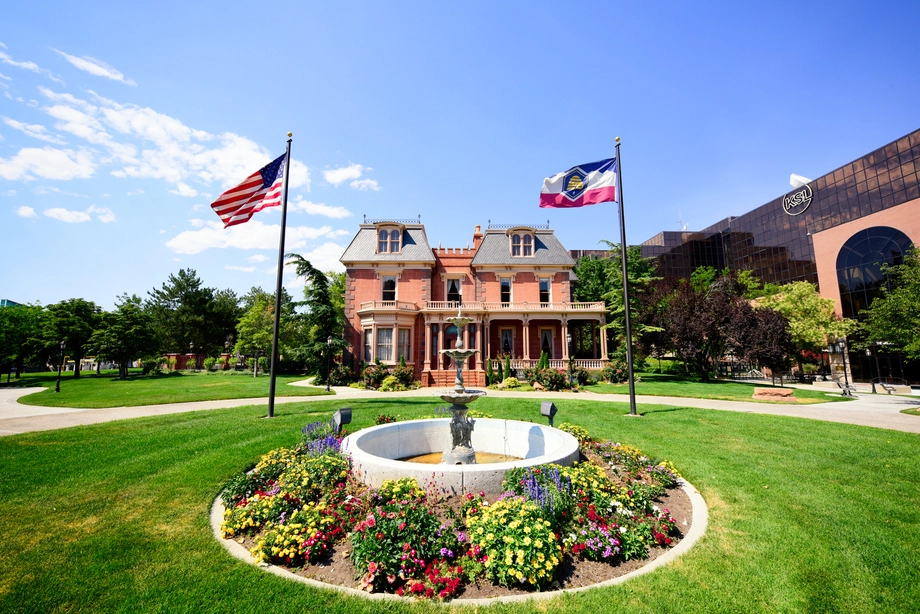 Salt Lake City – The City of Zion. Historical Interactive Walking Tour
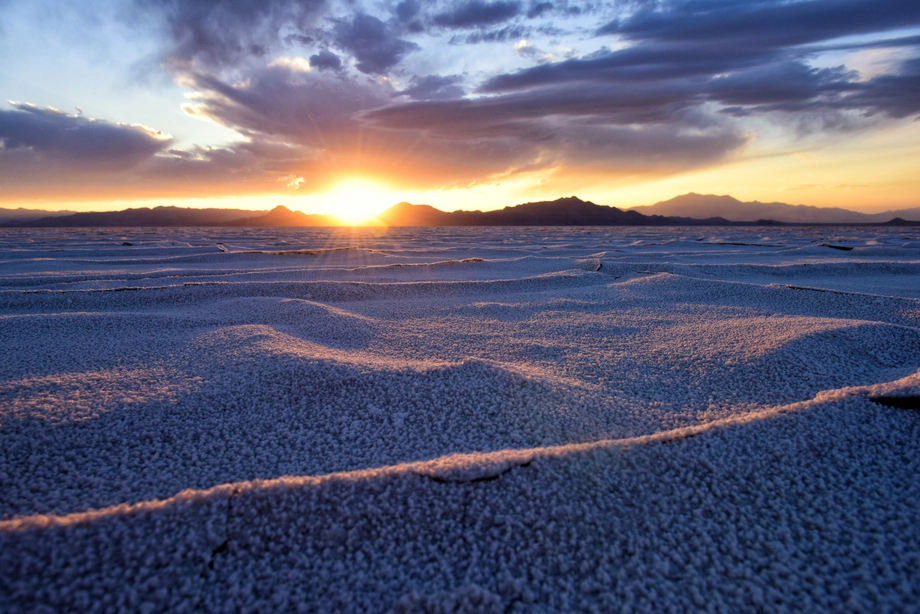 Bonneville Salt Flats – Sunset Adventure of the White Desert
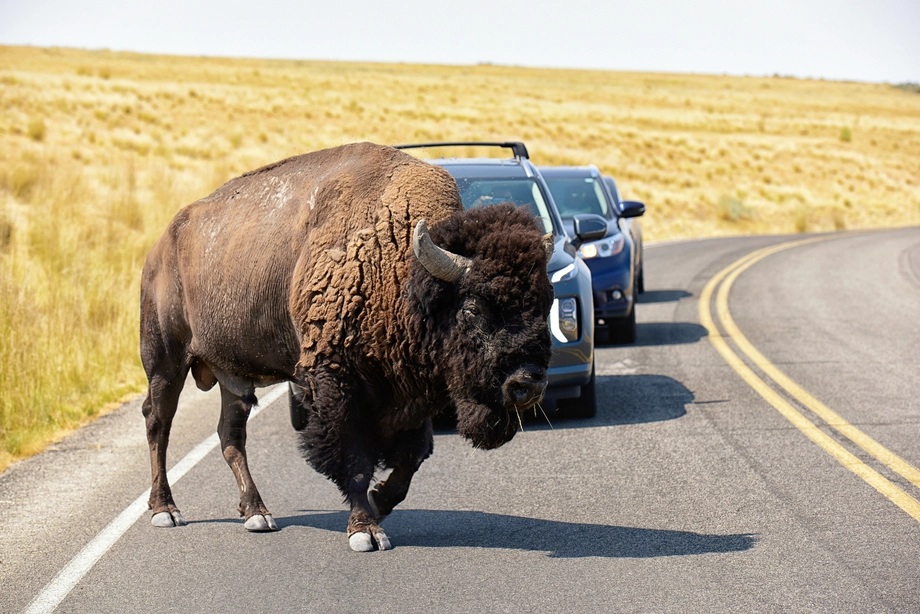 Antelope Island – Wild Heart of the Great Salt Lake Adventure
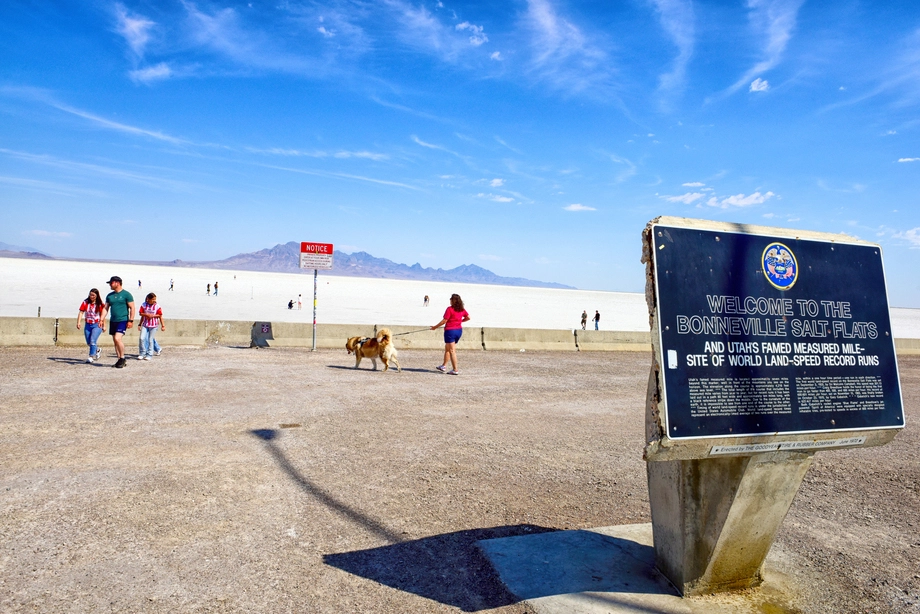 Bonneville Salt Flats – Journey to the Edge of the World