
What’s Better in Winter, Park City or Snowbird: Expert Guide with Pros & Cons
Dec 30, 2025
Park City suits mixed-ability groups and town lovers, while Snowbird favors strong skiers chasing steep terrain and deep powder. Many visitors mix both, using Salt Lake City tours for flexible backup days.
Every winter traveler to Utah eventually hits the same crossroads. With limited days on the snow and world-class resorts so close to Salt Lake City, should you base your trip around Park City or Snowbird? The right choice can mean effortless powder days, a great fit for your skill level, and evenings that match your travel style. The wrong fit usually shows up as frustration, wasted time on shuttles, or terrain that does not feel right once you click into your bindings.
This guide walks you through the real-world differences between Park City and Snowbird in winter. You will see how they compare on snow quality, terrain, accessibility, après-ski, costs, and family friendliness. You will also find concrete examples of typical itineraries from Salt Lake City, plus common planning mistakes and practical tips drawn from guiding experience in Utah. By the end you will know which resort fits your skills, travel style, and the kind of winter story you want to tell.
❄️ Who is Park City best for in winter?
Park City overview in plain language
Park City Mountain is one of the largest ski areas in the United States. The linked terrain covers many miles of groomed runs, glades, and bowls. For most visitors this sheer size translates into variety. You can spend an entire week here and still find new lines that match your confidence level.
The town of Park City itself adds another layer of appeal. It is a historic mining town turned lively mountain base. Streets are lined with restaurants, bars, galleries, and shops. Many visitors choose Park City when they want a full resort-town experience, not just ski-in and ski-out convenience.
Who thrives most at Park City
Park City shines for mixed-ability groups, families, and travelers who want options off the slopes. The extensive area offers gentle green runs, long and smooth blue cruisers, and some challenging black terrain. That spread makes it easier to keep everyone in your group happy, even if you have beginners and aggressive skiers in the same party.
In simple terms, Park City often works best when your ski days are part of a bigger winter vacation. You may ski three days, dedicate one day to a self-guided walking tour of Salt Lake City, then use another for a day tour from Salt Lake City to Arches National Park or a visit to Antelope Island. The town’s services and transport options make that kind of flexible schedule realistic.
Park City in bad weather or mixed conditions
During storms or flat-light days, Park City’s tree-lined runs and groomers are helpful. Many intermediate guests feel more comfortable staying on marked, prepared trails when visibility drops. The resort has enough sheltered slopes on different aspects that you can usually find something skiable when the weather turns unpredictable.
The tradeoff is that Park City can see more wind-affected snow on exposed ridges and more variable conditions toward the season’s edges. It still delivers plenty of good days, yet powder hunters sometimes favor other canyons when chasing Utah’s deepest storms.
Non-ski attractions and activities in Park City
If you are not planning to ski every single day, Park City gives you plenty to do. You will find museums that tell the story of its mining past, art galleries, and a calendar packed with cultural events, especially around Sundance season. Families appreciate accessible tubing hills and simple winter walks on town trails.
From a planning perspective, this means Park City works very well as a base if you want a balance of on-mountain time and curated experiences elsewhere. It is very feasible to enjoy guided Salt Lake City walks one day, then return to Park City for dinner and an evening stroll along Main Street.
🏔️ What makes Snowbird unique in winter?
Snowbird’s reputation with advanced skiers
Snowbird is famous among experienced skiers and riders. It sits in Little Cottonwood Canyon, which regularly records some of the deepest and lightest snow in Utah. The terrain drops steeply from the upper tram station, and much of it feels designed for people who love high-speed fall lines, tight chutes, and natural features.
Because of this terrain, Snowbird is often described as a “skier’s mountain.” It does offer groomed runs and a learning area, yet the overall character of the resort leans strongly toward upper-intermediate and expert visitors who are comfortable in challenging conditions.
Snow quality and storm days at Snowbird
The combination of elevation, aspect, and canyon geography helps Snowbird preserve very high-quality powder. Storms funnel into Little Cottonwood Canyon and often drop substantial snow totals. The snow tends to stay cold and dry for longer, which makes it exceptionally fun to ski or ride.
There is a catch. When storms are intense, road closures for avalanche mitigation can delay access to the resort. If you are staying in Salt Lake City, you should stay flexible with timing or consider booking with a local tour operator that follows road and forecast updates every day.
Who should pick Snowbird first
Snowbird usually makes the most sense for confident skiers and snowboarders who prioritize snow and terrain over nightlife and shopping. If your perfect day is first tram, steep laps, and powder stashes rather than long lunches and town exploration, Snowbird will probably feel like home.
It can also work for very focused short trips. Many travelers use Salt Lake City as a base and join organized day trips to Utah ski resorts, including Snowbird, to maximize their time on the slopes without worrying about canyon driving or parking rules.
Family and beginner experience at Snowbird
Families with strong teens or adult beginners who learn quickly can enjoy Snowbird, especially if they take lessons and stay on the easier side of the trail map. However, complete beginners or nervous intermediates may find the terrain intimidating. Trails can feel steeper than their rating compared to broader, mellower runs at Park City.
If your group includes very new skiers or older relatives who need gentle slopes, you will probably spend more time managing stress at Snowbird. In that situation, many guides recommend Park City as the main base and using Snowbird only for a focused day if the strongest skiers want a challenge.
You found a hidden promo code!
Use code WOWBLOG at checkout and get 10% OFF any tour!
Limited time offer. Book now and save!
Browse Tours⛷️ How do terrain, snow, and stats compare?
Side-by-side resort comparison
To decide objectively, it helps to look at high-level numbers. The table below summarizes some core differences that matter in winter.
| Feature | Park City Mountain | Snowbird |
|---|---|---|
| General terrain | Wide mix of green, blue, black | Intermediate to expert focus |
| Vibe on slopes | Resort-town, relaxed | Performance, powder-focused |
| Typical visitor | Families, groups, mixed levels | Advanced skiers, strong riders |
| Off-slope options | Extensive town, dining, shopping | Limited, more lodge-based |
| Access from Salt Lake City | Highway plus mountain road | Narrow canyon road, may close in storms |
These are general patterns rather than strict rules. You can absolutely ski hard at Park City or relax at Snowbird. Yet for planning a winter trip, these tendencies are helpful signals.
Snowfall patterns and consistency
Average snowfall in Little Cottonwood Canyon is often higher than around Park City, and the colder canyon keeps the snow drier. This is part of why expert skiers lean toward Snowbird and nearby Alta when chasing storm cycles.
However, Park City usually offers more consistent groomed skiing in mixed weather because of its extensive trail network. When conditions are firm or when temperatures fluctuate, the grooming team can create very skiable snow on a larger share of runs.
Lift layout and navigation for visitors
For first-time visitors, Park City’s trail map can look overwhelming because of its size. In reality, the mountain breaks into distinct zones that are easy to understand with a bit of guidance. Many organized day tours to Utah resorts include light orientation, which helps guests choose lifts and runs that match their level from the first hour.
Snowbird’s layout is more compact. The tram and key chairs feed into steep bowls, which is efficient for strong skiers. Yet this also means slower guests may feel crowded into the same main corridors, and some easy routes to the base require careful navigation to avoid unexpectedly steep pitches.
How crowds play out at both resorts
Both resorts see busy days on holidays and weekends. The way crowds feel on the snow differs. At Park City, the huge footprint spreads people out over many lifts and valleys, especially if you are willing to move one or two lifts away from the main base.
At Snowbird, more terrain funnels through a smaller number of key lifts and the tram, which can create longer lines at peak times. Many locals adapt by starting early, taking lunch outside rush periods, and using specific lifts that stay quieter. Joining a guided day from Salt Lake City can also help you avoid peak choke points through on-the-ground local knowledge.
🍷 How do town life, dining, and après compare?
Park City’s town experience
Park City offers a full mountain-town lifestyle with independent restaurants, wine bars, breweries, and coffee shops. If you like to walk through historic streets after skiing, browse galleries, or enjoy a cocktail in a lively atmosphere, Park City feels like a natural fit.
This town character matters when not everyone in your group skis every day. Non-skiers can spend time exploring shops, trying local food, or joining short winter walks without leaving the area. It is easy to pair these experiences with more structured self-guided tours in Salt Lake City on other days of your trip.
Snowbird’s lodge-centered vibe
Snowbird has a small base village focused around hotels, condos, and restaurants integrated into the resort. Après-ski here usually means relaxing in the hot tub, enjoying a drink at a slopeside bar, and going to bed early so you can chase first tram the next morning.
The atmosphere is still social, yet it is less about strolling through a historic district and more about staying immersed in a mountain lodge environment. For visitors who treat the trip as a training camp for powder, this is more feature than bug.
Options for non-skiers
Non-skiers will have far more to do in Park City itself. Yet you can also build rest days into a Snowbird-focused trip by basing in Salt Lake City and joining short city experiences. For example, guided Salt Lake City walks through downtown introduce you to local history, planning, and architecture while keeping the day light and flexible.
In practical terms, if you have one or two people in your group who do not ski at all, Park City or a mixed base in Salt Lake City may keep everyone happier than a full week staying slopeside at Snowbird.
Nightlife considerations
Park City has a bigger nightlife scene with more bars and live music options. The energy increases during festival periods and weekends. Groups of friends often choose Park City specifically because they want their evenings to be as vibrant as their days on the snow.
Snowbird, in contrast, quiets down earlier. You will still find spots to share a drink or a late dinner, yet the dominant mindset is about rest and recovery. For serious skiers, that is ideal. For travelers who see winter holidays as a chance for both skiing and socializing, Park City tends to win.
🚌 How do access, lodging, and costs compare?
Reaching the resorts from Salt Lake City
Both Park City and Snowbird are within a short drive of Salt Lake City International Airport. Many visitors choose to stay in Salt Lake City for at least one night, especially at the start of the trip, to adjust to time zones and get a feel for the area.
From the city, organized day trips to Utah ski resorts remove stress about winter driving, parking regulations, and storm-related delays. This is particularly valuable when heading to Snowbird because of its narrow canyon road. With a tour, local drivers monitor road status and choose safe departure times.
| Logistics factor | Park City | Snowbird |
|---|---|---|
| Approx. drive from SLC (normal traffic) | About 40–50 minutes | About 30–40 minutes |
| Road type | Highway then wider mountain road | Narrow canyon, avalanche control days |
| Best for cautious drivers | Generally easier access | Better with experienced or guided transport |
| Ease of same-day city activities | High, especially with shuttles | Moderate, depends on canyon traffic |
Lodging styles and availability
Park City offers a broad mix of hotels, condos, vacation rentals, and slopeside properties. You can prioritize ski-in, ski-out access, walkability to Main Street, or better value slightly outside the central core. This flexibility is useful when you travel with a larger group or need specific amenities.
Snowbird lodging is more concentrated at the base. The main hotels and condos are close to the lifts, which makes ski logistics simple. You trade some town variety for pure convenience. Many strong skiers accept higher per-night rates here because they value waking up steps from the tram.
How pricing tends to differ
Exact prices change by date and demand, but some patterns are consistent. Park City, as a large international destination, can be expensive in peak periods, especially on slopeside properties and in top-tier restaurants. At the same time, staying in Salt Lake City and doing day trips to Park City often reduces overall lodging costs while keeping access good.
Snowbird lodging can feel premium because the supply is limited and very close to the lifts. However, if you are laser-focused on maximizing ski hours, it may still be cost-effective per run compared with staying farther away. Using mixed itineraries that include day trips to national parks or city tours helps you get more value from each travel day.
Combining ski days with other Utah highlights
Many travelers underestimate how easy it is to blend ski days with other signature Utah experiences. For example, you can ski at Park City, then spend a rest day on a guided city tour and another day on a day trip from Salt Lake City to Arches National Park. These itineraries are easier if you keep at least part of your stay in Salt Lake City instead of spending the entire time up in the resorts.
In a similar way, you can mix one or two intense Snowbird days with gentler exploration of places like Bonneville Salt Flats or Antelope Island State Park on single-day Utah tours that depart from Salt Lake City. This style of trip works well for visitors who want to see both the famous powder and the broader landscapes of the state.
⚖️ Pros and cons of Park City vs Snowbird
Advantages of Park City and Snowbird
Here is a balanced look at what each resort does especially well in winter.
- Park City – variety of terrain: Huge network of runs serving beginners through experts, excellent for mixed groups.
- Park City – vibrant town: Historic Main Street, restaurants, bars, and shops offer plenty for non-skiers and off-days.
- Park City – easier access: Wider roads and more transport options make it friendlier for cautious winter drivers.
- Snowbird – exceptional snow: Deep, dry powder in Little Cottonwood Canyon attracts serious skiers from around the world.
- Snowbird – challenging terrain: Steep bowls, chutes, and technical lines reward advanced skiers and riders.
Limitations and tradeoffs to keep in mind
No resort suits every traveler. These are the main drawbacks visitors should factor into their decision.
- Park City – crowd potential: Peak dates can bring heavy traffic and lift lines, especially near main base areas.
- Park City – less extreme feel: Experts chasing the most aggressive terrain may find better challenges at Snowbird.
- Snowbird – intimidating for beginners: Newer skiers often feel the terrain is steep and unforgiving compared with Park City.
- Snowbird – road closures: Storm days can temporarily limit access because of avalanche control in the canyon.
- Snowbird – limited nightlife: Après-ski is mostly lodge-based, with few off-resort options.
When Park City tends to be the stronger choice
Park City usually wins when your priorities include flexibility for all ability levels, a lively town scene, and gentle options for non-ski days. It is also a strong base if you plan to add self-guided tours in Salt Lake City or short day trips to other Utah sights.
If the words “charming streets” and “variety of dining” appear in your ideal winter plan, Park City deserves a serious look. This applies especially to first-time visitors to Utah who want their ski trip to feel like a complete mountain vacation.
When Snowbird stands out as the better fit
Snowbird tends to be the better choice if your group is full of highly capable skiers or snowboarders who want to chase deep snow and steep terrain. You trade town life for fast access to some of Utah’s best powder.
In practice, many expert-focused groups stay in Salt Lake City, ski Snowbird and a neighboring resort on day trips, and add a rest day for city exploration or a short outing to nearby landscapes. A company like MateiTravel can help you line up these pieces so road conditions, timings, and logistics run smoothly.
🧭 Real-world winter itineraries from Salt Lake City
Example 1: Mixed-ability family trip based around Park City
Imagine a family of four with two kids who are solid intermediates and parents who ski at different paces. They arrive in Salt Lake City in the afternoon and spend the evening on a short, guided walk downtown that doubles as a soft introduction to the city. The next morning they transfer to Park City for three full days of skiing.
On day three, one parent and one child decide to rest. They explore town, visit a small museum, and enjoy lunch on Main Street while the stronger skiers keep lapping blue and black runs. On day five, the whole family returns to Salt Lake City and joins a one-day tour to Antelope Island, where they enjoy winter views, easy walks, and wildlife watching before flying home the next day.
Example 2: Powder-focused long weekend at Snowbird
Now consider a group of three advanced skiers with only four days off work. They base in Salt Lake City to stay close to the airport and keep costs down. Each morning they join an organized day trip that handles the drive up Little Cottonwood Canyon, which lets them focus on first tram and strategic lift choices to find fresh snow.
On the third day a storm closes the canyon for a few hours. Instead of losing the whole day, they pivot with help from their tour operator and switch to a different resort that is still accessible. That evening they take a relaxed city walk, try a local brewery, and recharge for their final Snowbird day when the canyon reopens with deep new powder.
Example 3: Combining skiing with national parks
A couple planning a week in Utah wants both skiing and classic desert scenery. They spend the first two nights in Salt Lake City, use a self-guided walking tour of Salt Lake City for orientation, then ski Park City for two days. For the last part of the trip they join one of the structured day tours from Salt Lake City to the national parks, including Arches and Canyonlands.
Because guides handle long-distance driving, park navigation, and short hikes to viewpoints, the couple can relax between ski days and desert days. In just one trip they experience groomers, powder, red rock arches, and wide open vistas without needing to design a complex itinerary on their own.
Why guided and self-guided tours pair well with ski trips
In a nutshell, mixing structured days with flexible days removes stress. Guided tours to Utah’s national parks and landscapes take care of timing, route choice, and storytelling. Self-guided tours in Salt Lake City give you freedom to move at your own pace while still benefiting from curated routes and local context.
This blend is particularly valuable for visitors who are new to winter travel in Utah. It helps you avoid over-scheduling ski days and gives your body recovery time without feeling like you are missing out on the region’s best sights.

🚫 Common mistakes when choosing Park City or Snowbird
Typical planning errors
First-time visitors to Utah often repeat the same missteps. Knowing them in advance makes your trip smoother and safer.
- Ignoring ability levels: Booking Snowbird for a group with true beginners can lead to fear and frustration instead of progress.
- Overloading ski days: Planning six or seven straight hard days at Snowbird without rest often results in fatigue or minor injuries.
- Underestimating canyon roads: Driving to Snowbird in a rental car during a storm without experience in snow can be risky and stressful.
- Skipping backup plans: Not having alternative resorts or city activities ready for storm closures leaves you stuck in the hotel.
- Staying too far without transport: Booking distant lodging to save money but not arranging shuttles can waste hours each day on logistics.
Why these mistakes happen
Most of these errors come from assuming all Utah resorts feel the same or from focusing only on photos rather than on-the-ground logistics. It is easy to underestimate how different terrain difficulty, road conditions, and group energy levels feel after several days in a row.
Marketing materials also tend to highlight the best weather and perfect snow. That can create unrealistic expectations if travelers do not plan for storms, variable conditions, or rest days. An experienced local guide or planner can help balance optimism with realism.
How to avoid these pitfalls
The most effective way to avoid problems is to be honest about your group’s skills and preferences. If you have doubts, lean toward the more forgiving option, which often means Park City or a mixed itinerary that includes both resorts on different days.
It is also wise to include at least one lighter day in your schedule. You can use that day for a short city walk, a museum visit, or a scenic single-day Utah tour, which keeps your legs fresh and your trip diverse.
Using local expertise to refine your plan
Companies that specialize in Utah travel, such as MateiTravel, see these patterns play out every winter. They can suggest specific resorts, tour combinations, and timing that match both the forecast and your skill levels. This type of advice is especially valuable if you are combining skiing with day tours from Salt Lake City to national parks.
When in doubt, ask direct questions about terrain difficulty, access in bad weather, and backup options. Clear answers to those topics are often the difference between a good trip and a great one.
🎯 Practical tips and recommendations
Key advice for choosing between Park City and Snowbird
If you remember only a handful of guidelines, let them be these. They will ground your planning in real-world priorities instead of marketing slogans.
- Match resort to your weakest skier: Choose a destination where your least experienced skier still feels comfortable and safe.
- Plan one rest or light day: Use it for a relaxed city walk, a museum, or a short guided tour so your legs recover while your mind keeps exploring.
- Stay flexible around storms: Build space in your schedule to shift resort days or add a city-focused day when the weather turns rough.
- Consider a city base: Basing in Salt Lake City and using organized day trips is often the best mix of value, safety, and variety.
- Use self-guided tools: Download routes for self-guided tours in Salt Lake City so you can explore independently whenever you have a free afternoon.
- Ask about transport early: Confirm shuttles, tour pickup points, and drive times before booking lodging, especially in peak season.
- Combine ski with scenery: Add at least one day tour from Salt Lake City to Arches National Park or another iconic park if you want a full Utah experience.
When to book guided vs self-guided experiences
Guided day tours work best for longer distances, such as visits to Zion, Bryce Canyon, or Arches, or when winter driving conditions might be challenging. You gain safety, context, and an easy schedule. Self-guided city walks and short local outings are ideal when you want full control of your timing.
In practice, many visitors mix both. They use a guided national parks itinerary plus curated walking routes in Salt Lake City, then add independent evenings in Park City for dining and nightlife.
How to structure a balanced winter week
One reliable pattern is to alternate demanding days with easier ones. For example, heavy ski day, lighter ski day, rest or city day, then repeat. This cadence keeps energy levels high and reduces the chance that you will be too tired to enjoy your last day on the snow.
Another effective approach is to front-load your ski days in case the weather turns later. If storms appear toward the end of the week, you can swap in national park tours or city walks without feeling like you missed your main objective.
Working with MateiTravel to fine-tune your plan
MateiTravel focuses on tours and excursions in Utah, including walking tours in downtown Salt Lake City, day trips to major ski resorts, and organized visits to the state’s national parks. That local focus makes it easier to link your Park City or Snowbird plans with broader adventures across the state.
If you already have a rough idea of your dates and skill levels, sharing those details lets their team propose specific combinations, such as two Park City days, one Snowbird day, and one Mighty Five national park sampler, all timed around typical winter weather patterns.
✅ Conclusion
Park City and Snowbird both deliver memorable Utah winters, yet they serve slightly different travelers. Park City excels for mixed-ability groups, non-skiers, and visitors who want a classic mountain town alongside broad, forgiving terrain. Snowbird stands out for strong skiers and riders who place snow quality and steep lines above nightlife or shopping.
The smartest choice comes from matching the resort to your group’s skills, your comfort with winter driving, and how much variety you want away from the slopes. Building in at least one city or national park day through guided or self-guided tours keeps your schedule resilient to weather and your energy levels high. If you would like help weaving Park City, Snowbird, and Utah’s broader landscapes into one coherent trip, consider reaching out to MateiTravel for a tailored winter plan.
— Utah Office of Tourism Snow Report (2024)
— Wasatch Front Winter Recreation Study, Mountain Travel Lab (2023)
— Industry Report on North American Ski Resorts, Alpine Insights (2023)
— Utah Department of Transportation, Winter Operations Overview (2024)
FAQ in English
Which resort is better for a family with mixed ski levels?
For most mixed-ability families, Park City works better because it offers a wide spread of green, blue, and black runs plus a full town with non-ski activities. Snowbird can be tough for true beginners, since many routes feel steeper and more intense.
How can I avoid driving in snow to reach Snowbird?
The simplest way is to stay in Salt Lake City and use organized day trips to Utah ski resorts that include transport to Snowbird. Local drivers monitor canyon conditions and avalanche control closures, which keeps you safe and reduces stress on storm days.
Is it realistic to ski and visit Arches National Park in one trip?
Yes, many visitors ski Park City or Snowbird for a few days, then join day tours from Salt Lake City to Arches National Park and other parks. Guided tours handle drive times, park entrance, and short hikes so you can enjoy the desert scenery without planning every detail yourself.
What is the biggest mistake people make when choosing between Park City and Snowbird?
The most common error is ignoring the ability of the weakest skier in the group. Booking a steep, challenging resort like Snowbird for beginners often leads to fear and wasted lift tickets, while Park City’s gentler terrain usually keeps everyone more comfortable.
How many rest days should I plan on a one-week winter trip?
For a seven-day itinerary, at least one lighter or full rest day is wise, especially if you ski hard at Snowbird. Many travelers use that day for a relaxed walking tour in Salt Lake City or a short, low-effort day trip to nearby landscapes.
Which base is better if I want nightlife and dining?
Park City offers a far more developed nightlife scene with historic Main Street, bars, and restaurants. Snowbird’s après-ski is more lodge-based and quieter, which suits serious skiers but may feel limited if nightlife is a priority.
Can non-skiers still enjoy a trip focused on Snowbird?
Non-skiers can enjoy the mountain views and lodge atmosphere, but they will have fewer activities than in Park City. In that case, basing in Salt Lake City and combining Snowbird day trips with city walks or national park tours often keeps everyone more engaged.
What should I do if a storm closes the road to Snowbird?
If Little Cottonwood Canyon closes, switch your plan to another resort or a city-focused day. Having backup options like guided Salt Lake City walks or short single-day Utah tours prevents you from losing the entire day to weather.
How do self-guided walking tours fit into a ski vacation?
Self-guided walking tours in Salt Lake City are perfect for recovery days between intense ski sessions. They give you structure and local context while letting you move at your own pace, which keeps the trip interesting without overtaxing your legs.

 Bonneville Salt Flats – Sunset Adventure of the White Desert
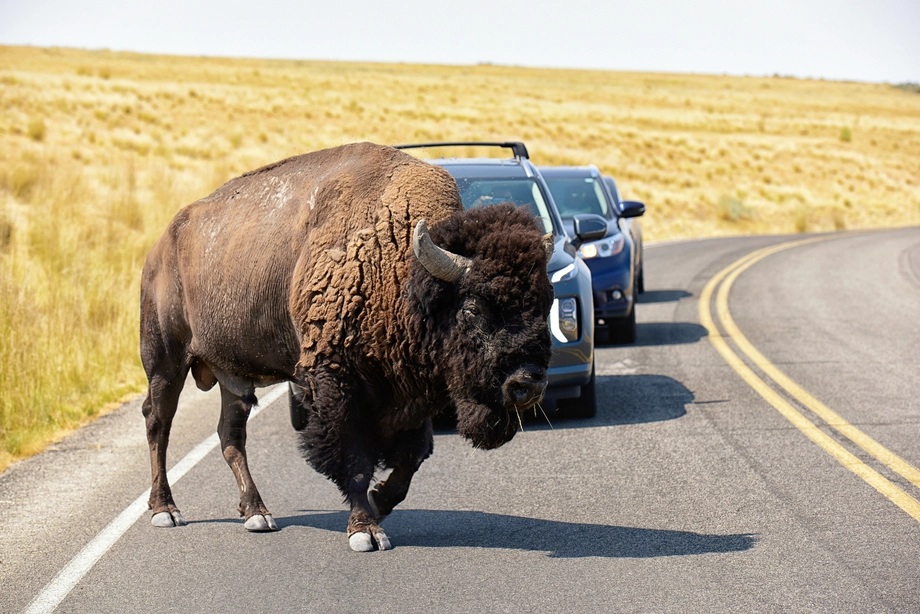 Antelope Island – Wild Heart of the Great Salt Lake Adventure
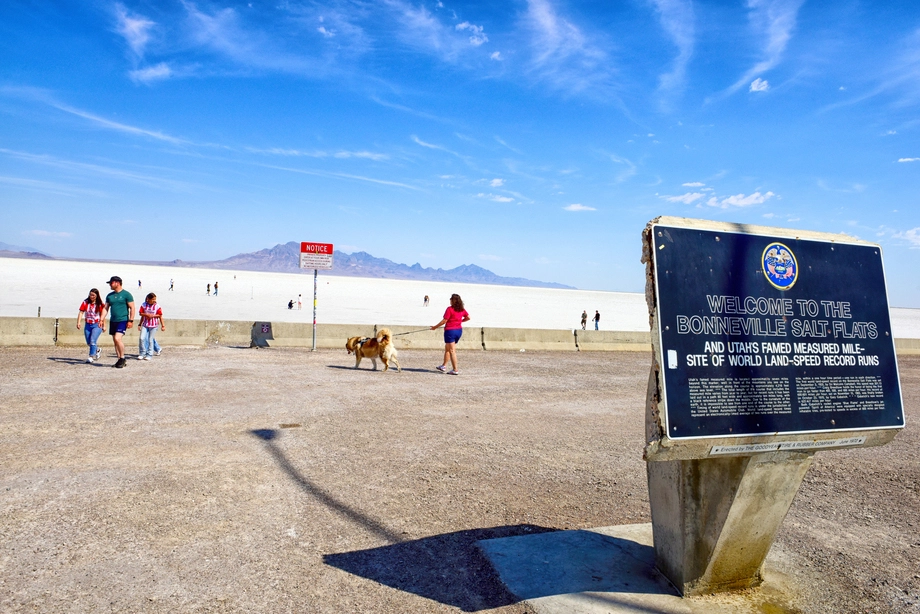 Bonneville Salt Flats – Journey to the Edge of the World
 Salt Lake City – The City of Zion. Historical Interactive Walking Tour
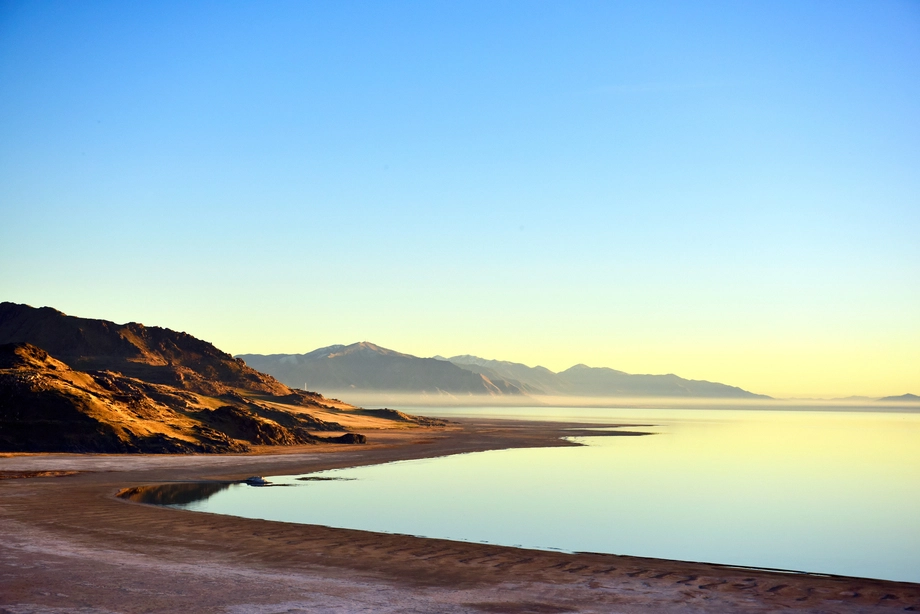 Antelope Island Sunset Wildlife Expedition – Great Salt Lake Odyssey