
Best Scenic Roads in Utah for a Car Trip: Routes, Tips, and Tours
Jan 31, 2026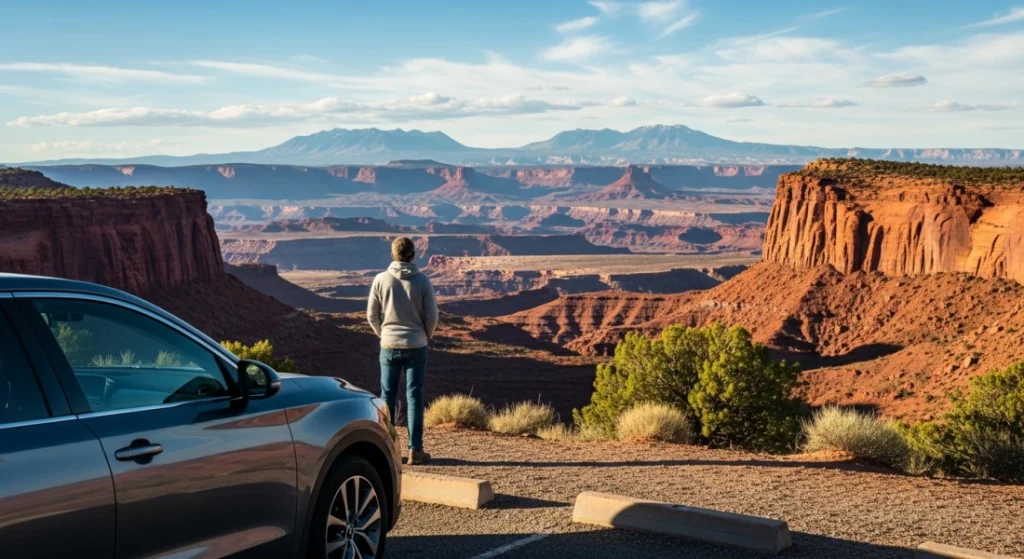
Use Salt Lake City as your hub, combine self-drive scenic routes with MateiTravel’s walking, ski, and national park day tours, and keep daily drive times realistic for a safer, richer Utah road trip.
More travelers are discovering that the very best “attraction” in Utah is not only the national parks. It is the drive between them. Wide open roads, changing rock colors, and surprise viewpoints turn even short transfers into full experiences. The challenge is choosing the right routes, deciding whether to drive yourself, and fitting everything into limited vacation days.
This guide walks you through the best scenic roads in Utah for a car trip, how to plan a self-drive tour of Utah from Salt Lake City, and when it makes sense to mix in guided day trips. You will see how MateiTravel’s local tours around Salt Lake City and to the national parks can remove a lot of stress while still giving you space to enjoy the open road.
We will cover top viewpoints, suggested itineraries, practical safety advice, and honest pros and cons of driving yourself versus joining curated day tours. By the end, you will have a clear, realistic plan for turning your time on Utah’s highways into one of the highlights of your trip.
Why Utah’s scenic roads are such a good idea for a road trip
What makes these drives special
Utah’s paved highways pass through several different landscapes in just a few hours. You can drive from a grid-planned capital city, through salt flats, into mountain canyons, and then on to red-rock desert without ever leaving the main road. That variety keeps even long days behind the wheel engaging.
Unlike dense urban areas, many of these highways have frequent pullouts and viewpoints. That matters when you want to stop safely for photos instead of improvising on the shoulder. The result is a road network that works extremely well for a flexible self-drive tour of Utah, with frequent chances to step out and explore.
How Salt Lake City anchors your driving plans
Salt Lake City is the practical starting point for most itineraries. The airport, wide streets, and clear grid make a self-drive tour of Salt Lake City easy, even for nervous city drivers. From downtown, you can be on a canyon road, at a lakeside island, or heading toward red-rock country within an hour or two.
MateiTravel uses the city as a hub for several types of trips. There are walking tours in the downtown core, organized day tours from Salt Lake City to Utah’s national parks, and separate day excursions to ski resorts or iconic landscapes like the Great Salt Lake area. That same structure can help you design your own driving route.
How driving fits with guided experiences
Self-driving gives you freedom. Guided tours give you context and lower stress. The smartest itineraries usually mix both. For example, you can join a small-group walking tour of central Salt Lake City on your first day, then take the wheel once you understand the city’s history and layout.
You can also combine a stretch of scenic driving with a guided section. Think of it this way. In some areas, like around Zion or Bryce Canyon, a guide’s stories about geology, local communities, and trail options can save you hours of trial and error. In other areas, such as long highway stretches, you only need a good map and some smart stops.
How to plan a self-drive tour of Utah from Salt Lake City
Start with your time and energy limits
The first planning step is not the map. It is your daily attention span behind the wheel. Many visitors overestimate how long they want to drive each day. In practice, 3 to 4 hours of actual driving, with extra time for stops, feels comfortable for most people.
Once you know your limit, you can decide whether to add guided day tours. If you love driving, you might handle longer legs between parks. If you prefer more breaks, you may let MateiTravel handle some miles with their day tours from Salt Lake City, and keep your own driving for the shorter, more scenic segments.
Map out core routes and side trips
From Salt Lake City, three main directions cover most scenic interests.
- West: Toward the Bonneville Salt Flats and the broad open spaces around the Great Salt Lake.
- North and east: Toward mountain canyons and high plateaus.
- South: Toward red-rock national parks and famous canyons.
To put it simply, the south gives you the classic red rocks, the west gives you big-sky openness, and the nearby canyons give you cooler mountain air. You can design a loop that combines all three in under a week, especially if you use one or two organized day trips to save energy.
Mix self-drive days with guided tours from Salt Lake City
Many visitors build their schedule around a few anchor days. For example, one day might be a guided walking tour through downtown with a local guide. These groups are intentionally small, which means you can ask detailed questions about city planning, history, and how the valley developed.
Another day can be a guided outing to nearby nature, such as Antelope Island or the Bonneville area. These day tours from Salt Lake City balance driving and short walks, and they include stories about local wildlife and open landscapes. Prices often start around 35 dollars and most full-day options are around 99 dollars, which helps with budgeting.
You found a hidden promo code!
Use code WOWBLOG at checkout and get 10% OFF any tour!
Limited time offer. Book now and save!
Browse ToursTop scenic drives near Salt Lake City for a day in the car
Urban grid and hidden corners by car
Even if you plan a self-drive tour of Salt Lake City, it can be helpful to begin with a walking tour. Guided walks cover historic buildings and less obvious alleys and courtyards. They also explain why the streets are laid out in a precise grid pattern and how the city grew outward from the center.
Once you understand that, driving through different districts becomes more satisfying. You know what you are seeing, not only how to get from one point to another. A short loop by car after the walk can connect downtown with viewpoints in nearby neighborhoods and parks.
Salt Lake City to Antelope Island area
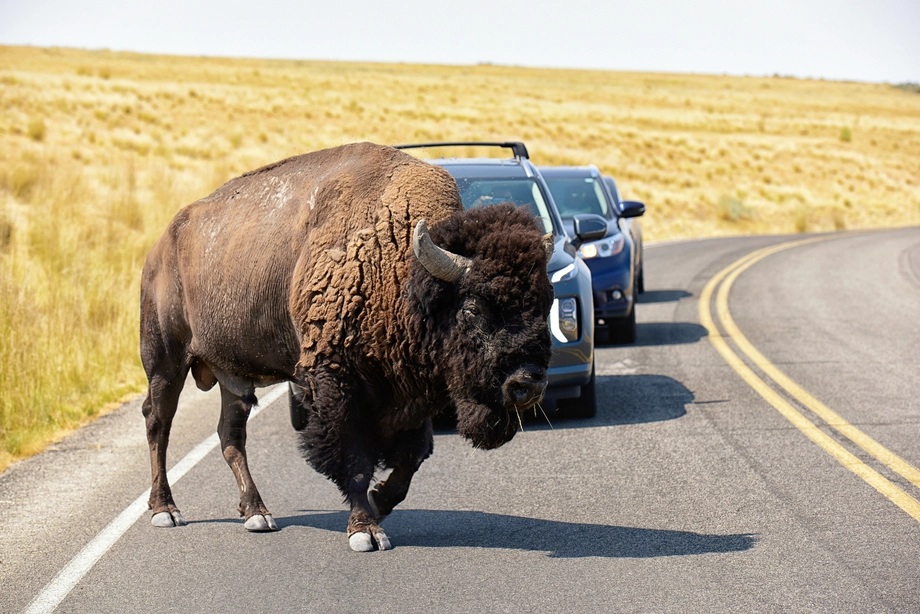
A classic nearby scenic drive runs from the city toward the Great Salt Lake and its islands. The road moves from urban neighborhoods to open farmland and then out toward the water. The mood on this route changes quickly, especially near sunset when the light reflects off the lake.
MateiTravel’s day tours often include this region, combining road time with a few short walks and wildlife watching. If you drive yourself, you can still follow similar timing, with plenty of stops for photos and short strolls.
Salt Lake City toward the salt flats
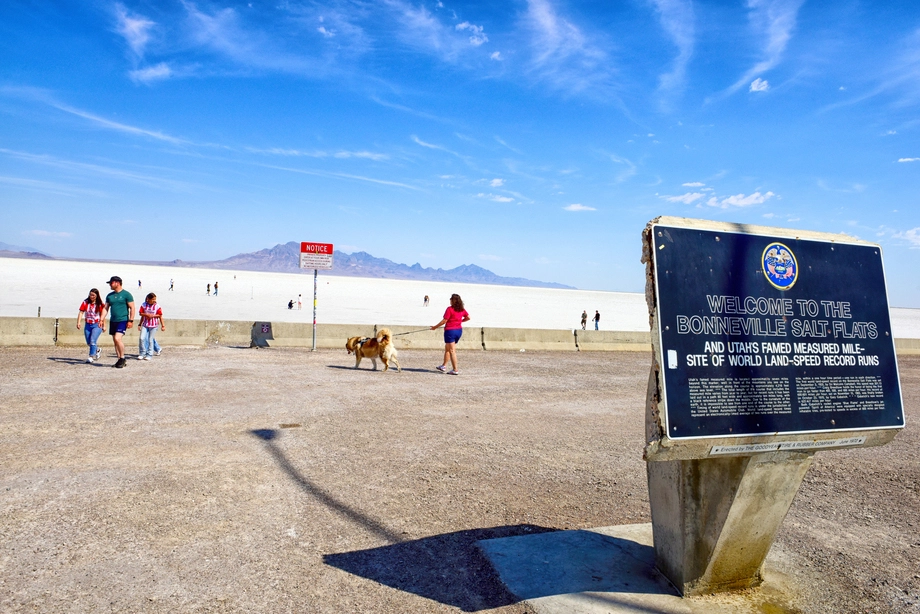
Heading west from the city, the road passes into more and more open country. Many travelers underestimate the sense of scale here. The mountains slip behind you, and long straight sections lead into shimmering white salt flats near the state border.
If you prefer not to manage the logistics alone, there are organized day trips that visit these salt flats and other open landscapes in one package. These scenic day tours of southern and western Utah keep a balance between driving time and stopping time, so you do not spend the whole day just staring through the windshield.
Comparing nearby scenic drives
The table below compares three common driving options from Salt Lake City. Times are approximate and assume normal conditions.
| Route | One-way driving time | Main scenery | Best for |
|---|---|---|---|
| Downtown loop with viewpoints | 1–2 hours | Historic streets, city views, foothills | First day orientation |
| Salt Lake City to Antelope Island area | 1–1.5 hours | Great Salt Lake, shoreline, wildlife | Sunset photos and relaxed drive |
| Salt Lake City toward salt flats | 1.5–2 hours (to main viewing areas) | Open desert, salt flats, big-sky views | Feeling the vastness of the region |
The best Southern Utah scenic routes for iconic red-rock views
Driving toward Arches and Canyonlands
Many visitors want to reach Arches and Canyonlands with a mix of driving and guided time. Organized day tours from Salt Lake City to the national parks can handle the long transfers and then give you structured time at viewpoints and on short hikes. That is especially helpful when your vacation is short and you want to fit in as much as possible.
If you drive yourself, the route toward Arches becomes a destination in its own right. Views shift from farmland to canyons and cliffs. With smart pacing, you can treat this as a scenic day tour of southern Utah by car, with planned stops at viewpoints rather than pushing hard to rush straight to the park entrance.
Combining multiple parks on one route
The southern part of the state includes other major parks such as Zion, Bryce Canyon, and Capitol Reef. Guided tours from Salt Lake City typically link some of these on multi-day routes. Those tours include transport, clear schedules, and explanations of geology and local stories along the way.
If you prefer your own vehicle, you can still follow similar arcs, just at your pace. The key is to be realistic about distances and your energy. Long back-to-back drives without downtime can make even the most scenic road feel tiring.
Self-drive vs guided to Arches: a quick comparison
The choice between a self-drive outing and a guided trip to Arches and Canyonlands depends on your priorities. The table below highlights the main differences.
| Option | Driving responsibility | Flexibility | Context and stories |
|---|---|---|---|
| Self-drive day toward Arches | You handle all driving and navigation | High. You choose stops and timing | Limited unless you research a lot in advance |
| Guided day tour from Salt Lake City | Professional driver handles roads and timing | Moderate. Follows a set but scenic route | High. Guide explains geology, history, and local life |
In summary, if your priority is freedom to linger in one spot, drive yourself. If you value background stories and stress-free logistics, a guided day tour from Salt Lake City to Arches National Park and nearby viewpoints will likely feel better.
When to add guided tours to your driving itinerary
Using downtown walking tours as your starting point
A small-group walking tour of downtown Salt Lake City is ideal on your first day. Local guides lead you past historic buildings and tucked-away corners that are easy to miss by car. They also explain how the city was planned and how that layout still shapes daily life.
Once you have that context, driving through the city becomes easier. You are no longer guessing which areas are interesting. This reduces the learning curve for your self-drive tour of Salt Lake City and helps you feel at home behind the wheel.
Day tours to ski resorts from Salt Lake City
Winter visitors often want to see the mountain canyons and ski slopes. Day trips from the city to ski resorts include transfers, flexible time on the slopes, and help with orientation when you arrive. They are designed for couples, friend groups, and families who do not want to worry about parking or winter-driving details.
Experienced skiers benefit from quick access to local information about the resorts. First-timers gain reduced stress on the slopes, since a guide is there to help them find their way around. You can still enjoy the canyon scenery without having to navigate icy mountain roads on your own.
Day tours to national parks from Salt Lake City
Guided tours from Salt Lake City to the national parks cover Zion, Bryce Canyon, Arches, Canyonlands, and Capitol Reef. They start in the city and include transportation both ways. On the route, you stop at main viewpoints for photos and short walks to arches, ridges, and canyon overlooks.
These trips are ideal if you want to see several parks in a short time without dealing with route planning, park shuttles, and time estimates for each stop. The guide takes care of the overall organization and offers insights into geology, history, and local stories along the way.
Pros and cons of self-drive vs organized scenic day tours
Main advantages of self-driving
- Flexible timing: You can leave early or late, adjust for weather, and linger at your favorite viewpoints without watching a group schedule.
- Personalized stops: Self-driving lets you explore side roads, small towns, or quiet overlooks that are not on standard tour routes.
- More privacy: A private car gives you space for your own music, conversations, and unplanned photo breaks.
- Good for repeat visitors: If you already know the major highlights, you can focus on lesser known corners that interest you personally.
Limitations of self-driving
- Higher planning load: You must research road conditions, travel times, and parking, and you need a backup plan if something changes.
- Driver fatigue: Long hours behind the wheel can be tiring, which reduces your energy for hikes and viewpoints once you arrive.
- Less local insight: Without a guide, you may miss stories about geology, culture, and local history that add meaning to the landscape.
- Seasonal challenges: Winter or shoulder-season conditions in mountain areas can be stressful if you lack experience.
Pros of guided scenic day tours
- Low-stress logistics: Transport, routes, and timing are handled for you, which is ideal if you dislike navigation or tight schedules.
- Local expertise: Guides share details on geology, wildlife, and city development that you would rarely find on your own.
- Balanced itineraries: Many day tours are designed to keep a good mix of driving and time on the ground, not just quick photo stops.
- Clear expectations: With published duration, distance, terrain, and price, it is easier to pick a trip that fits your fitness and budget.
Cons of guided tours
- Fixed schedule: You follow the group timeline, which means less freedom to stay longer in one spot.
- Limited spontaneity: There is less room to take unexpected detours or answer last-minute cravings, such as stopping at a random roadside café.
- Group dynamics: Even with small groups, you still share the experience with other travelers, which may not suit everyone.

Common mistakes on Utah road trips and how to avoid them
Underestimating distances and drive times
One of the biggest mistakes is treating Utah maps like city maps. Distances that look short on a screen can take much longer in real life, especially when roads wind through mountains or when you stop often for photos.
To avoid this, plan fewer main stops per day and leave extra time between them. You can also let MateiTravel cover long transfers through their day tours to national parks and ski areas, and then use your own car for shorter scenic sections where you can really enjoy the drive.
Trying to see all five national parks in too few days
Another classic error is the “everything in four days” plan. People try to visit Zion, Bryce Canyon, Capitol Reef, Arches, and Canyonlands with almost no downtime. This often means rushing through views and spending more time driving than actually looking around.
A better approach is to focus on two or three areas and really see them. Organized multi-park tours from Salt Lake City are built with realistic drive times and short hikes, which keeps the pace lively but still humane.
Ignoring your first day in the city
Some visitors land in Salt Lake City and drive straight out. They skip the chance to understand where they are starting from. This can make the whole trip feel more like a blur of roads and less like a connected story.
A walking tour at the beginning, followed by a short self-drive around the city, gives you an anchor. You learn how the city is laid out, why certain buildings matter, and how the surrounding mountains shape daily life.
Not balancing self-drive and guided days
Many people either book only guided trips or insist on driving every mile. Both extremes can backfire. Too many guided days and you may feel rushed. Too many self-drive days and you may end up tired and uninspired.
Mixing both types of experiences works better. For example, drive your own car on short scenic loops. Then use day tours for long-distance legs, or for places where a guide’s local knowledge adds the most value.
Practical tips for safe and rewarding scenic drives
Plan around daylight and fatigue
Colored rock and big open views look completely different in good light. Aim to drive the best segments in daylight and to reach your accommodation before dark whenever possible. That also reduces stress for the driver.
On multi-day trips, schedule an easier day in the middle. This could be a half-day walking around Salt Lake City or a relaxed guided day tour where you are not driving at all. Your body and your attention span will thank you.
Use local tours to “test” areas before driving
If you are unsure about a certain region, book a guided outing there first. For example, a day tour to ski resorts from Salt Lake City shows you the canyon roads and parking situations before you decide whether to drive there on your own later.
The same logic works for national parks. Joining a guided trip to Zion or Bryce Canyon gives you a clear picture of distances, trailheads, and common bottlenecks. You can then return another day in your own car with much better expectations.
Respect local conditions
Weather, wildlife, and seasonal events can affect your plans. In winter, canyon roads may require extra caution. In desert areas, heat makes short hikes more demanding than they look on paper. Always check local forecasts and talk to guides or visitor center staff before committing to a long drive.
One useful principle comes from the National Park Service, which often reminds visitors to add a safety margin for time and water because conditions change quickly in desert parks.
Visitors should plan ahead, bring extra water, and allow more time than expected for travel in desert environments.
National Park Service
Choose the right mix with MateiTravel
In many cases, the best solution is a hybrid one. Use MateiTravel for curated, low-stress days such as walking tours of downtown, day tours from Salt Lake City to Arches National Park and other icons, and winter trips to ski resorts. Then add your own self-drive segments between those anchors.
This way, you get professional guidance when it matters most and still enjoy the freedom and intimacy of exploring some roads on your own schedule.
Utah’s roads are more than a way to get from one landmark to another. They are a core part of the experience, from the salt flats near Salt Lake City to the red-rock arches and canyons in the south. The key is to balance scenic self-drive days with well-planned guided outings.
When you mix your own car trips with MateiTravel’s walking tours, day tours to ski resorts, and national park excursions, you reduce stress and add depth to what you see. You gain both freedom and expert insight. For your next trip, sketch out which scenic stretches you truly want to drive yourself and where it would feel better simply to sit back, listen to local stories, and watch the landscape roll by.
If you are ready to build that kind of balanced itinerary, reach out to MateiTravel for help turning your ideas into a realistic route and choosing the right mix of self-drive and guided days.
Frequently Asked Questions
How should I start planning a self-drive tour of Utah from Salt Lake City?
Begin by deciding how many hours you realistically want to spend driving each day, usually around 3 to 4 hours of actual road time. Then map a few core routes from Salt Lake City and mix in guided walking or day tours from MateiTravel on the heaviest travel days to reduce fatigue.
What is the advantage of taking a walking tour in Salt Lake City before driving?
A downtown walking tour with a local guide explains the city’s grid layout, key historic buildings, and hidden corners that you would likely miss by car. Once you understand how the city developed, your own self-drive tour of Salt Lake City becomes easier and much more meaningful.
Are day tours from Salt Lake City to Arches National Park worth it?
Day tours from Salt Lake City to Arches and nearby areas handle long-distance driving, parking, and timing, which is ideal if your schedule is tight. You also gain detailed insights into geology and local stories from the guide, something that is hard to match with self-research alone.
How much do day tours from Salt Lake City usually cost?
Many scenic day tours that explore Utah landscapes from Salt Lake City start at about 35 dollars, with most full-day options around 99 dollars. These prices typically include transportation, a planned route, and guiding, which helps you compare them fairly with the costs of self-driving.
What are common mistakes people make on Utah scenic drives?
Typical errors include underestimating drive times, trying to see all five major national parks in too few days, skipping the chance to explore Salt Lake City, and relying only on self-driving without any guided days. Spreading your schedule out and mixing in MateiTravel tours can help avoid these problems.
How do guided ski resort day trips from Salt Lake City work?
Day trips to ski resorts start in Salt Lake City and include transfers up to the mountains and back. You get flexible time on the slopes, help with orientation at the resort, and access to local tips that reduce stress for new skiers and speed up decision-making for experienced ones.
What is the main difference between self-driving and guided tours to the national parks?
With self-driving you control every stop and schedule change, but you handle all navigation, parking, and research. Guided tours from Salt Lake City offer set but scenic routes, a professional driver, and a guide who explains the parks’ geology, history, and logistics while you relax.
How can I avoid driver fatigue on a multi-day Utah road trip?
Limit daily drive time, schedule at least one easier day in the middle of your trip, and consider booking guided day tours where you are not driving at all. For example, a walking tour in Salt Lake City or a guided national park day can act as a rest from the driver’s seat.
When is it better to book a guided scenic tour instead of driving myself?
Guided scenic tours work best for long transfer days, winter trips to ski resorts, and first-time visits to complex national parks like Zion or Bryce Canyon. In these cases, local knowledge and stress-free logistics from MateiTravel usually outweigh the benefits of complete flexibility.

 Antelope Island Sunset Wildlife Expedition – Great Salt Lake Odyssey
 Salt Lake City – The City of Zion. Historical Interactive Walking Tour
 Bonneville Salt Flats – Sunset Adventure of the White Desert
 Antelope Island – Wild Heart of the Great Salt Lake Adventure
 Bonneville Salt Flats – Journey to the Edge of the World