
Moab and Canyon Country Guided Trips: What a Full Day Feels Like
Jul 28, 2026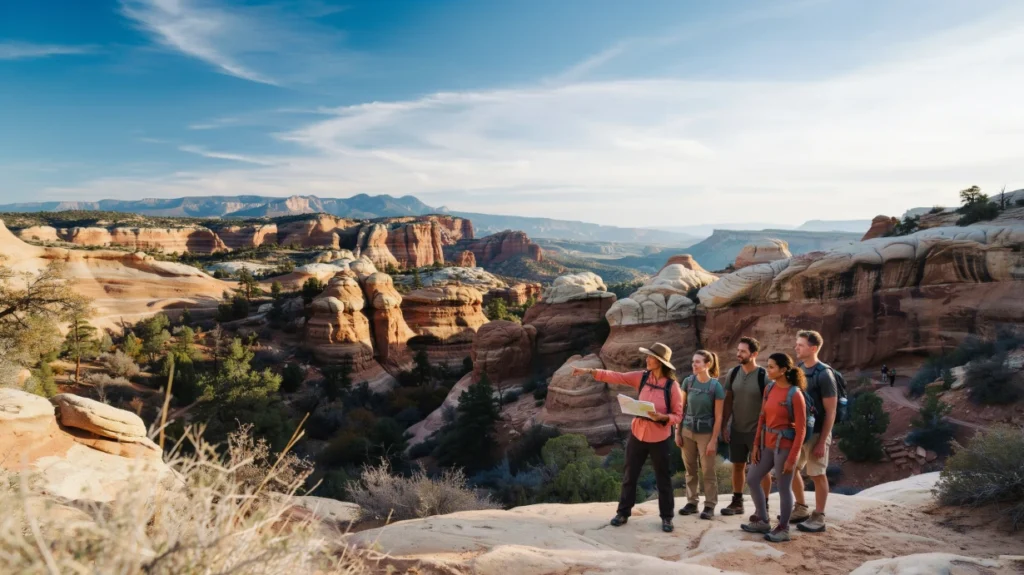
A full guided day in Moab usually means 6–8 active hours in rugged desert terrain. Choose canyoneering, hiking, 4×4, or river time based on your comfort with heat, walking, heights, and travel schedule.
The mistake we see most often is treating a Moab activity as a quick stop between long drives. A full day in Canyon Country is a substantial physical block of time: early cool air, warming sandstone, steady movement over uneven ground, regular water breaks, and a quieter ride back when your legs finally notice the mileage.
Moab and Canyon Country guided trips are best understood as a choice of pace and terrain rather than a checklist of famous landmarks. The right version gives your group enough challenge to feel involved without turning a Utah vacation into an endurance test.
What do we mean by a full-day guided trip in Moab and Canyon Country?
A full-day guided outing generally means about 6–8 hours of on-the-ground activity, excluding any long-distance transfer to the Moab area. It is a day built around one primary outdoor experience, with route decisions, safety checks, pacing, and local logistics handled by the guide team.
“Full day” does not necessarily mean nonstop hard hiking. It means that the experience occupies most of your usable daylight and energy, even when the route includes short pauses for water, instruction, photographs, shade, or scenic interpretation.
For a canyoneering-style day, the guide commonly supplies technical equipment such as helmets, harnesses, and rappel devices when the route requires them. Beginner-friendly options do not require prior technical experience, but they do require a willingness to move outdoors for much of the day and follow instructions closely.
Who is a full-day Moab guided trip right for?
A full-day Moab trip suits travelers who are comfortable walking for hours, managing uneven terrain, and spending extended time outside in desert conditions. It is less suitable for anyone who needs frequent long rests, strongly dislikes heat exposure, or has a schedule that requires driving from Salt Lake City and back on the same day.
The useful question is not “Am I an athlete?” It is whether you can stay on your feet, keep a steady pace, drink water consistently, and enjoy movement after the novelty of the first hour has worn off.
| Group profile | Usually the best starting point | What to avoid without further discussion |
|---|---|---|
| Active first-time visitor | Non-technical canyon hike or moderate national park walk | Choosing rappels solely because they look exciting in photos |
| Nervous about heights | 4×4 sightseeing, viewpoints, or non-technical hiking | Technical descents with unavoidable exposure |
| Family with younger children | Gentle walks, scenic park stops, and a 4×4-focused day | Routes with age, size, or technical participation limits |
| Strong hikers seeking active time | Longer hiking or beginner-appropriate canyoneering-style route | Adding a demanding activity after several hard travel days |
| Salt Lake City-based visitors with limited time | Moab as part of a multi-day park itinerary | Combining the long transfer and a 6–8 hour activity in one calendar day |
Families should share children’s ages, hiking comfort, and confidence around steep ground before a route is selected. A scenic day can be realistic for children under 10, while technical canyon activities may have participation limits tied to age or body size.
You found a hidden promo code!
Use code WOWBLOG at checkout and get 10% OFF any tour!
Limited time offer. Book now and save!
Browse ToursWhat does “full day” mean for your clock and your energy?
On the clock, a full day is often 6–8 active hours. In your body, it can feel longer because dry air, sun, slickrock, sand, scrambling, and the concentration required on uneven ground all use energy differently than a city walk.
Early timing matters. Desert rock may feel manageable in the morning, then radiate heat as the day develops, so guides build the route around water, shade where available, sensible stops, and weather conditions rather than treating noon as an ordinary hiking hour.
The practical difference between active time and travel time
A guided activity begins only after you have reached the trailhead, launch point, or access road. Travelers coming from Salt Lake City should treat Moab as an overnight or multi-day component, not a casual detour, because a long transfer followed by a complete outdoor day is exhausting even for capable hikers.
Our Utah National Parks Tours are designed around this reality. They begin from Salt Lake City and combine transport, scenic routing, key stops, and clearly described walking levels so places such as Arches and Canyonlands fit into a realistic larger journey.
What does a non-technical canyoneering-style or hiking day feel like hour by hour?
A typical non-technical canyon or hiking day starts cool and focused, builds toward sustained movement as temperatures rise, and ends with tired legs rather than a rushed finish. The exact route changes with season, weather, and group ability, but the physical rhythm is remarkably consistent.
Early morning: meet, orient, and start moving before the heat builds
The first part of the day often feels easier than expected. You are fresh, the light is low, and the guide can explain footing, route expectations, water timing, and any required equipment before the terrain becomes more demanding.
On a canyon-oriented outing, the opening approach may be a walk over rock and sand, followed by short scrambles through tighter terrain. A beginner route is not a technical test, but it still asks you to use your hands for balance at times and pay attention to where you place your feet.
Late morning: the route becomes the day’s main work
This is often the most satisfying stretch. Your group has settled into its pace, the landscape feels more immersive, and the guide can adjust small decisions around rest, instruction, and route flow based on the people in front of them.
If the itinerary includes rappelling, this is when the day slows down for safety. Participants receive direction, use provided technical equipment, and move one at a time. The waiting is part of the experience, not wasted time: it gives everyone room to focus, ask questions, and descend carefully.
Midday: protect energy rather than chase distance
By midday, heat and accumulated movement become more noticeable. Your shoulders may feel the weight of water, your calves may be working harder on slickrock, and dry conditions can make you thirsty before you realize how much you need to drink.
Good route planning uses this period intelligently. A guide may choose a more sheltered section, change the order of features, or shorten a plan when conditions call for it. Flash-flood risk in canyon terrain makes current weather awareness and conservative judgment essential, especially when rain may be occurring beyond your immediate view.
Afternoon: finish the route, then feel the effort on the return
The exit commonly feels different from the approach because your legs are less fresh and the sun is stronger. Even an easy-looking path can demand concentration when fatigue sets in, which is why a full day should be matched to the least experienced or least comfortable person in the group.
The ride back is usually quiet in a good way. You have had a complete day outside, your feet may be dusty, and there is little desire to add another strenuous hike before dinner. Leave the evening flexible rather than scheduling a second major activity.
How do 4×4, national park hiking, and river days feel different?
Each style uses your energy differently. A 4×4 day emphasizes access and scenery, a hiking day puts more work into your legs, and a river day shifts effort toward balance, sun exposure, and time on the water.
4×4 and scenic Jeep-style days
A 4×4-focused day is often the best choice for travelers who want broad Canyon Country views with less continuous walking. You still climb in and out of the vehicle, walk short stretches on uneven ground, and spend time in the sun, but the driving breaks up the physical load.
This option can work well for mixed-ability groups and families when the goal is to see rugged country without committing everyone to a long hike. It is also a sensible alternative for visitors who are uncomfortable with rappelling or who have limited hiking stamina.
Arches and Canyonlands hiking days
A national park hiking day feels more straightforward physically: repeated walking, exposed viewpoints, rocky footing, and short climbs that add up over time. The reward is time to absorb the scale of arches, rims, and canyon landscapes rather than viewing them only from a pullout.
In Canyonlands National Park, commercial guiding is regulated. According to the National Park Service’s guide authorization information, specific companies are authorized to offer activities that include four-wheel driving and river running, among others. We use licensed or authorized local operators where required when fitting an activity into a broader itinerary.
River days
A river day can feel less punishing on the legs, but it is still an active outdoor commitment. You may be seated for long periods, exposed to sun and reflected light, moving around at stops, and using your core and balance in ways that surprise people who expected a passive float.
Choose river time when your group wants a different pace from hiking and accepts that weather, water conditions, and operational decisions influence the day. It can be a useful reset between land-based activities, especially within a longer Utah itinerary.
How will your body feel at each stage of the day?
Most people begin with enthusiasm, feel the true workload by midday, and finish with ordinary fatigue in their feet, legs, and shoulders. A well-matched trip should leave you tired and satisfied, not depleted enough to compromise the next day of your vacation.
- First hour: Expect cool temperatures in season, eager energy, and a chance to learn the rhythm of the terrain before fatigue matters.
- Hours two through four: Uneven rock, sand, short climbs, and repeated stops begin to register in your calves, hips, and ankles.
- Midday: Heat management becomes part of the effort. Water, sun protection, and a measured pace matter as much as enthusiasm.
- Final stretch: Descents and return walks can feel harder because attention drops when people assume the difficult part is over.
- Evening: Plan for recovery time, food, and a low-key schedule rather than another long walk or a late drive.
You do not need prior climbing or canyon experience for a beginner-friendly activity, but you should be honest about mobility, balance, knee concerns, and comfort around confined spaces or heights. Those details help determine whether a non-technical route, scenic park day, or vehicle-supported outing will serve you better.
How do season and weather change a Moab full day?
Spring and fall are generally the most comfortable periods for long canyon and hiking days because temperatures are more moderate. Summer heat can make the same distance feel far more demanding, while canyon weather requires close attention because flash-flood conditions can change a route or cancel an activity.
Weather planning is not simply checking whether it looks sunny at breakfast. Canyon conditions require professional judgment about current forecasts, recent rainfall, terrain, and the safest appropriate route for the group.
- Spring: A strong choice for sustained outdoor activity, with moderate conditions that support long walking days.
- Fall: Similar advantages for hiking and canyoneering-style experiences, with welcome relief from peak summer heat.
- Summer: Early starts, careful pacing, and heat-conscious route choices become more important.
- Any season: Treat flash-flood awareness as a safety requirement, not a minor inconvenience in narrow canyon terrain.
How do we organize the right Moab day within a Utah vacation?
We begin with your dates, departure city, group ages, hiking comfort, and preferred activity style, then place the Moab portion where it makes sense in the overall route. Our responsibility is to handle the routing, transfers, timing, and local coordination; your responsibility is to give an accurate picture of what your group can comfortably do.
Matei Travel organizes Utah excursions with local guides and small-group principles that leave room for questions and context. For Moab and Canyon Country, that means selecting an appropriate local guided experience where needed and making sure it fits with the rest of your travel days rather than treating it as an isolated booking.
What you should provide before planning begins
A useful request is specific enough to prevent a mismatch. “We want adventure” is less helpful than a short description of your available days, starting point, and how each person feels about heat, long walks, and heights.
- Travel window: Share exact dates and whether Moab is an overnight stop or one part of a multi-day route.
- Starting point: State whether you begin in Salt Lake City, Moab, or another Utah location.
- Group profile: Include ages, number of travelers, hiking experience, and any mobility or height concerns.
- Activity preference: Choose a direction: scenic hiking, canyoneering-style adventure, 4×4 access, river time, or a family-focused mix.
- Energy budget: Say whether you want a demanding centerpiece day or a scenic day that preserves energy for other parks.
What a good trip description should make clear
Before you commit, you should be able to identify the expected duration, approximate walking level, terrain, transfers, and included elements. These are the practical acceptance criteria for a suitable day: the effort is understandable, the activity matches the group, and the schedule leaves enough recovery time for the wider itinerary.
If your Utah trip is shorter or your group prefers a lighter day, our Utah Day Tours provide another way to experience the state with transportation and a planned route without trying to force a technical or long-distance Moab day into limited time.
What are the most common planning mistakes?
The biggest planning errors come from underestimating travel time, heat, and the difference between beginner-friendly and effortless. Avoiding these errors is usually more valuable than choosing the most ambitious route on paper.
- Booking by scenery alone: A dramatic canyon image does not reveal scrambling, exposure, long walking, or technical participation requirements.
- Hiding fitness concerns: Guides can adapt only when they know the real limits of the group before the day begins.
- Overloading the itinerary: A full outdoor day deserves an overnight stay or a lighter following morning, especially when traveling across Utah.
- Assuming every canyon requires rappelling: Non-technical canyon walks and scenic alternatives can deliver the landscape without height exposure.
- Ignoring weather judgment: Canyon plans must remain flexible when conditions raise flash-flood concerns.
How should you choose your next step?
Choose a canyoneering-style experience if your group wants active participation and is comfortable hiking all day; choose 4×4 access or scenic park walking if comfort, family flexibility, or lower physical demand matters more. For travelers arriving through Salt Lake City, put the Moab portion inside a multi-day route so the destination receives the time it needs.
Start by writing down your dates, departure city, ages, hiking comfort, and preferred pace, then use our Utah National Parks planning options to place Arches, Canyonlands, and surrounding Canyon Country logically within the journey. Send Matei Travel those details through the relevant tour inquiry path so we can help shape a day that fits your group rather than asking your group to fit an unsuitable day.
How long is a full-day guided activity in Moab?
Most full-day canyoneering-style outings involve roughly 6–8 hours of activity on the ground. Transportation time to and from the area may add to the total travel day.
Do I need previous rappelling experience?
Not for many beginner-oriented canyon experiences. When rappelling is part of the route, guides provide instruction and the necessary technical equipment.
Is a full day realistic if I am not highly fit?
You should be comfortable walking and standing for most of the day on uneven terrain. A scenic 4×4 or lighter hiking-focused option is often a better match than a technical route.
Can children join a full day in Canyon Country?
Some gentle hikes, viewpoint days, and vehicle-supported outings can suit families. Technical activities may have age or size requirements, so provide children’s ages when requesting options.
What if I am uncomfortable with heights?
You do not need to choose a rappelling activity to experience the region. Non-technical canyon walks, park viewpoints, and 4×4-oriented days avoid that specific concern.
Why can weather change a canyon plan?
Flash-flood risk can affect narrow canyon terrain, even when local conditions initially seem calm. Guides use current weather awareness and route judgment to make safer decisions.
Can I do Moab from Salt Lake City in one day?
Trying to combine a long transfer with a full outdoor activity is usually too tiring for a well-paced vacation. Moab works better as part of a multi-day Utah National Parks itinerary.

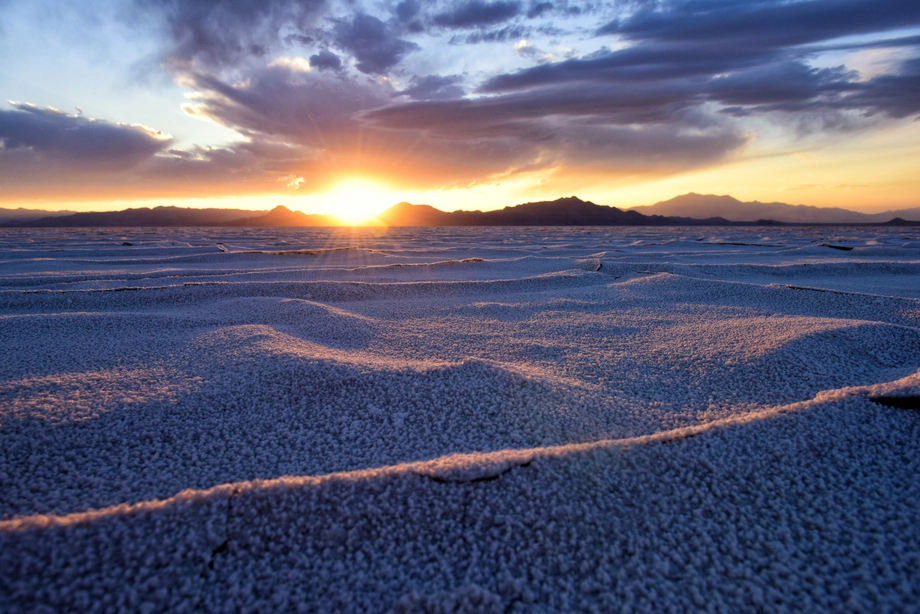 Bonneville Salt Flats – Sunset Adventure of the White Desert
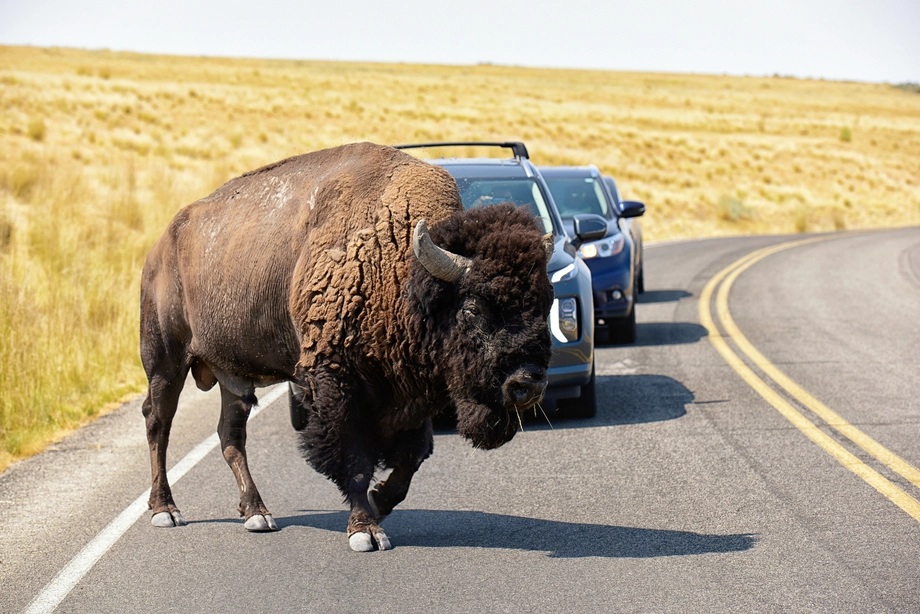 Antelope Island – Wild Heart of the Great Salt Lake Adventure
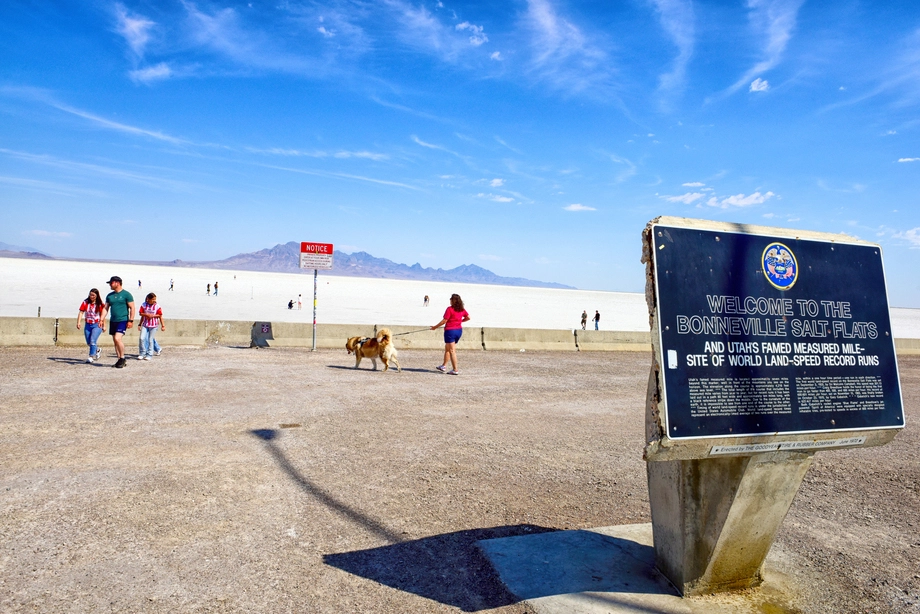 Bonneville Salt Flats – Journey to the Edge of the World
 Antelope Island Sunset Wildlife Expedition – Great Salt Lake Odyssey
 Salt Lake City – The City of Zion. Historical Interactive Walking Tour