
Inside a guided fossil and paleontology tour in Capitol Reef National Park
Apr 8, 2026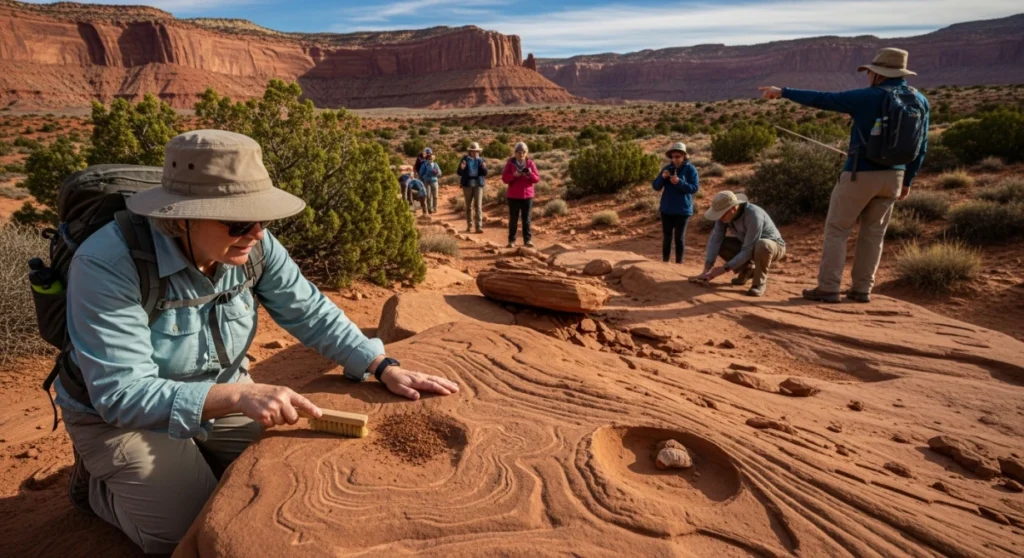
A focused paleontology day in Capitol Reef turns scenery into a readable story of ancient life. Plan it around your walking level and broader Utah schedule to maximize insight and enjoyment.
Most visitors drive straight through Capitol Reef, snap a few photos of cliffs and orchards, and leave without realizing they just crossed one of North America’s richest windows into ancient life. The rock layers are spectacular, but without context they blur into “pretty scenery” instead of 200 million years of evolving worlds. That is where a focused fossil and paleontology experience changes the day from a scenic drive into a real time-travel lesson.
On a well-run outing you do not just hear the age of a rock layer. You learn how to spot a dinosaur track in the same sandstone where everyone else only saw a smooth slab, or how to recognize a fossil-bearing layer from the car before you ever step out. Paleontology in Capitol Reef is not abstract lab work. It is walking on ancient river beds, learning to read them, then seeing the same patterns repeat as you continue through Utah’s other parks.
What a Capitol Reef fossil-focused day looks like in real life
A strong fossil- and geology-centered day in Capitol Reef blends scenic stops with short walks where the rock layers are cleanly exposed. You spend less time on long miles and more time at places where you can safely examine surfaces, bedding planes, and track-bearing slabs.
Because travel in Utah often starts in Salt Lake City, many visitors fold Capitol Reef into a broader loop that also includes Zion, Bryce Canyon, Arches, and Canyonlands. In those multi-day Utah national parks tours from Salt Lake City, Capitol Reef is usually the most relaxed day, which makes it ideal for slower, detail-rich fossil interpretation.
Local guides who work across the state bring a consistent story to this. They connect what you see in Capitol Reef with features you passed the day before or will see tomorrow, so Jurassic river channels in one park line up mentally with cliff bands in another.
How paleontology in Capitol Reef actually works on the ground
Capitol Reef exposes long sequences of sedimentary rock, many of them laid down by ancient rivers, floodplains, and shallow seas. Each type of environment left different clues, so a good guide trains your eye to match the environment to likely fossil types.
In practice, that means you might compare mudstone slopes, resistant sandstone ledges, and occasional limestone beds, then learn which ones are more likely to host bones, trackways, or plant impressions. Instead of staring at every rock, you learn to filter, the same way a birder learns to listen for specific calls.
Because many people include several parks in one trip, guides who also lead city walking tours or other regional excursions are used to breaking complex stories into bite-size, walk-and-talk segments. That same approach works well when moving through fossil-bearing terrain.
Typical elements of a fossil-centered Capitol Reef experience
- Layer-by-layer storytelling: You stop at viewpoints where multiple formations are visible and hear how each relates to ancient environments.
- Short interpretive walks: You walk over rock surfaces with potential trackways or ripple marks and learn what to look for without disturbing anything.
- Scenic driving segments: Time in the vehicle is used to connect Capitol Reef’s geology with what you have seen or will see in other Utah parks.
- Question-friendly pacing: Small groups make it easy to ask specific questions about fossils, erosion, or trip planning while you move.
You found a hidden promo code!
Use code WOWBLOG at checkout and get 10% OFF any tour!
Limited time offer. Book now and save!
Browse ToursWhere visitors misunderstand “fossil tours” and what they expect to see
Many people arrive assuming a paleontology outing will be a guaranteed dinosaur fossil show, like a museum exhibit transplanted outdoors. In real desert landscapes, visible fossils can be subtle, weathered, or legally protected from close approach.
Another common misconception is that fossils are scattered randomly, so you just wander until you get lucky. In reality, paleontologists read the rocks first. The focus is on formations and processes, then on specific traces or bones when conditions allow.
Some travelers also underestimate the value of context. They look for “Instagram spots” and miss slower explanations that make the rest of their Utah days more meaningful. Ironically, the most valuable part of a Capitol Reef fossil experience is usually the mental toolkit it gives you for future stops.
Misconceptions that can disappoint your day
- Expecting close-up dinosaur skeletons: Skeletons are usually found through scientific work, not on casual hikes, and are often removed or protected.
- Assuming collecting is allowed: Picking up vertebrate fossils or removing material is restricted. The emphasis is on observation and understanding.
- Thinking it is all technical jargon: Well-trained local guides translate geology into plain language and connect it to the human story of the region.
- Believing you need intense hiking: Many excellent teaching stops are at viewpoints or on short, relatively easy walks.
Turning theory into decisions: types of Utah itineraries that fit Capitol Reef fossils
Most travelers considering a fossil-focused day in Capitol Reef face one core decision. Do they visit the park as a quick photo stop, or do they slow down and invest half a day in learning how to read the rocks they will see all week?
Because many Utah trips start in Salt Lake City, this decision often fits into a broader plan that might already include city walking tours, day journeys to nearby natural areas, or even winter ski day trips. Thinking about your whole schedule helps you pick the right style of Capitol Reef experience.
Scenario 1: Mighty Five loop with limited days
If you have only a few days and want to see several parks, a multi-park itinerary with built-in geology commentary gives you a structured overview. Capitol Reef then becomes the “classroom day” where everything from the earlier stops clicks into place.
Because transport and basic logistics are handled for you, you can stay mentally focused on what the guide is explaining. You also avoid burning energy on navigation and can concentrate on the landscape and stories.
Scenario 2: Science-curious traveler adding depth to a flexible trip
If you have more time and a strong interest in paleontology, you might stay near Capitol Reef longer and add a focused half-day or full-day fossil interpretation. Here the benefit is depth over breadth.
You can pair this with a structured city walking experience in Salt Lake City before or after, which gives historical context to the state you are exploring and lets you ask more detailed questions about how scientists and local communities relate to these landscapes.
Scenario 3: Family or mixed-interest group
Families often worry that kids will be bored by “too much geology.” In practice, fossil stories and dinosaur tracks are some of the easiest ways to keep different ages engaged. The key is pacing and variety.
Short walks, snack breaks, and a mix of scenery and storytelling keep everyone interested. Parents usually appreciate that the same day also checks off a major national park from their list without needing to design the route themselves.
Comparing Capitol Reef fossil days with other Utah experiences
Travelers often combine Capitol Reef with other guided experiences in Utah. Comparing styles helps you decide how much time to dedicate to fossils versus other themes like city history or winter sports.
| Experience type | Main focus | Typical walking level | Best for |
|---|---|---|---|
| Capitol Reef fossil-focused day | Geology, ancient life, landscape interpretation | Short walks plus roadside viewpoints | Science-curious travelers, families, photographers |
| Salt Lake City downtown walking tour | Urban history, planning, cultural sites | Steady city walking | Visitors wanting context for Utah’s capital |
| Multi-park road-based itinerary | Scenic highlights in several parks | Short walks at viewpoints | First-time visitors with limited vacation days |
| Ski resort day trip | Winter sports and mountain scenery | Skiing or snowboarding all day | Active travelers visiting in winter |
Because guides who work across these experiences get used to different guest expectations, they tend to be very clear about daily walking levels, the kind of terrain involved, and how the schedule flows. That helps you match the right experience to your group’s abilities.
Common mistakes when planning a Capitol Reef paleontology experience
Most problems do not come from the rocks or weather. They come from decisions made weeks earlier when people are looking at maps and underestimating distances or overestimating what they can do in a day.
Frequent planning errors
- Underestimating drive times: Trying to squeeze Capitol Reef and multiple other parks into a single day leaves no room for patient fossil interpretation.
- Ignoring group walking comfort: Not everyone in a family or group enjoys the same amount of walking, so clarifying comfort levels ahead of time prevents tension.
- Over-packing the day: Adding too many stops turns explanations into rushed sound bites instead of clear stories that build on one another.
- Skipping questions: Many people feel shy about asking basic geology questions, even though guides expect and welcome them.
How to evaluate if a tour style fits your fossil interests
You do not need to be a scientist to choose well. You only need a clear sense of how you like to learn, how much you want to walk, and how structured you want your day to be. Use the questions below as a pre-trip filter.
| Decision factor | What to consider | Signals it is a good fit |
|---|---|---|
| Your learning style | Do you prefer stories and visuals or detailed technical explanations? | Descriptions emphasize plain-language geology and space for questions. |
| Walking and activity level | How comfortable are you with uneven ground and outdoor conditions? | Daily walking is clearly described as light to moderate, with options. |
| Interest mix in your group | Are some people more into photos, others into science? | Itinerary mentions both scenic viewpoints and educational stops. |
| Overall Utah schedule | Is this your only national park day or one of several? | The day either anchors a multi-park loop or adds depth to a flexible trip. |
For travelers using MateiTravel or a similar operator, one advantage is that the same team can handle different styles of days in Utah, from urban walking experiences to nature-focused outings, so your fossil day can be tailored to what you enjoyed most earlier in your trip.

What science actually says about fossils you might hear about
Guides who talk about fossils in Capitol Reef usually rely on the broader scientific consensus about how sedimentary rocks preserve traces of life. That means you hear evidence-based stories rather than guesses.
Fossils are not random curiosities. They are physical records that let scientists reconstruct ancient ecosystems, climates, and evolutionary changes across vast spans of time.
For visitors, this translates into specific, memorable facts. You might learn how ripple marks show current direction in ancient rivers, or how the spacing of tracks hints at the size and speed of the animals that made them. You leave not just having “seen a track,” but also understanding what it tells you.
Action checklist: getting the most from a fossil-focused Capitol Reef day
Use this concise checklist to turn general ideas into practical steps before and during your visit.
- Clarify your main goal: Decide whether you want a quick scenic overview with light geology, or a slower-paced learning day focused on fossils and rock stories.
- Match walking level: Confirm that the planned stops are compatible with the slowest walker in your group and that there are options to adjust on the day.
- Plan your Utah sequence: Place Capitol Reef’s fossil day at a point in your itinerary where you are not exhausted from long drives or intense hiking the day before.
- Prepare your questions: Jot down what you are curious about, from dinosaur tracks to how the canyons formed, and bring the list so you remember to ask.
- Pack for comfort: Bring layers, water, and sun protection so you can stay focused on the landscape rather than on heat, cold, or glare.
- Connect the dots afterward: After your Capitol Reef day, look back at photos from other parks and see how formations and patterns now make more sense.
Practical tips to add value to your whole Utah trip
Capitol Reef paleontology does not exist in isolation. It is part of how you experience the entire region. A few small decisions can multiply your learning without making your days feel academic.
- Start or end with a city walk: A guided downtown walk in Salt Lake City, with small groups and local guides, gives social and historical context that pairs well with your time in remote canyon country.
- Use one operator where possible: Working with the same provider for multiple days, such as MateiTravel, helps your guides understand your interests and adjust explanations accordingly.
- Choose variety, not quantity: Aim for a mix of city, canyon, and if you visit in winter, mountain days, rather than trying to cover too many distant areas in a rush.
- Ask for clear day descriptions: Before booking, look for straightforward information about schedule, walking level, and what is included, so there are no surprises.
- Think seasonally: If your trip includes winter dates, combining a Capitol Reef geology day with a ski resort day trip near Salt Lake City can balance active and educational experiences.
How this fits among the best tours of Utah national parks
The most rewarding Utah itineraries are not defined only by how many major parks you check off. They stand out because you remember why the landscapes look the way they do and how people have moved through them over time.
A thoughtfully paced fossil-focused day in Capitol Reef adds that layer of understanding. Combined with structured driving days between parks, small-group city walks led by locals, and optional winter ski outings, it turns a simple road trip into a connected story of land, life, and people.
When your guide can move smoothly from explaining historical buildings in Salt Lake City to pointing out ancient shorelines in canyon walls, you know you have built a trip that uses your limited days well.
A paleontology-centered day in Capitol Reef works best when it is woven into a broader Utah plan that respects your time, energy, and curiosity. The real value is not ticking off fossil sites but learning how to read the rocks and trackways that surround you for the rest of your journey.
By choosing small-group, explanation-rich experiences and matching them to your walking comfort, you turn scenic drives into meaningful stories. Pairing Capitol Reef with other well-designed days, from city walks to seasonal ski trips, gives your entire visit a clear narrative arc.
If you want a cohesive, guide-led Utah experience that ties fossils, canyons, and city history together, consider planning your trip with MateiTravel.
Do I need a strong science background for a Capitol Reef fossil-focused day?
No. Guides use plain language and visual examples, so curiosity matters far more than prior scientific knowledge.
How much walking is usually involved in a paleontology-oriented day in Capitol Reef?
Most days combine scenic stops with short, easy walks on rock or dirt, and walking levels are clearly described in advance.
Can a Capitol Reef fossil day fit into a short multi-park Utah trip?
Yes. It often serves as a slower “learning day” within a loop that also visits other major Utah parks.
Is a fossil-focused experience in Capitol Reef suitable for families with children?
Yes. Dinosaur tracks, rock stories, and short walks usually keep children engaged when the pacing is adjusted for them.
How does a Capitol Reef paleontology day complement a Salt Lake City walking tour?
The city walk explains Utah’s human and historical context, while the Capitol Reef day explains the ancient landscapes that shaped it.
Can I combine a Capitol Reef geology day with a ski resort visit in winter?
Many visitors pair a winter sports day from Salt Lake City with a separate canyon-country trip, which balances activity with learning.
What should I ask a provider before booking a fossil-focused outing?
Ask about daily schedule, walking difficulty, how much time is spent at viewpoints versus driving, and how questions are handled.
Why work with one company across multiple Utah days?
Using the same operator lets guides understand your interests over time and adjust Capitol Reef explanations to what you enjoyed earlier.

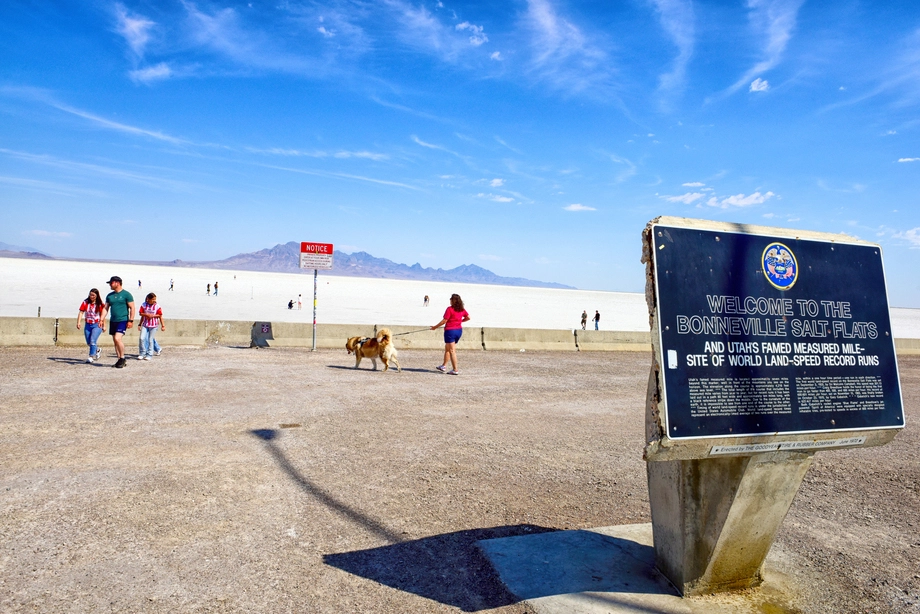 Bonneville Salt Flats – Journey to the Edge of the World
 Salt Lake City – The City of Zion. Historical Interactive Walking Tour
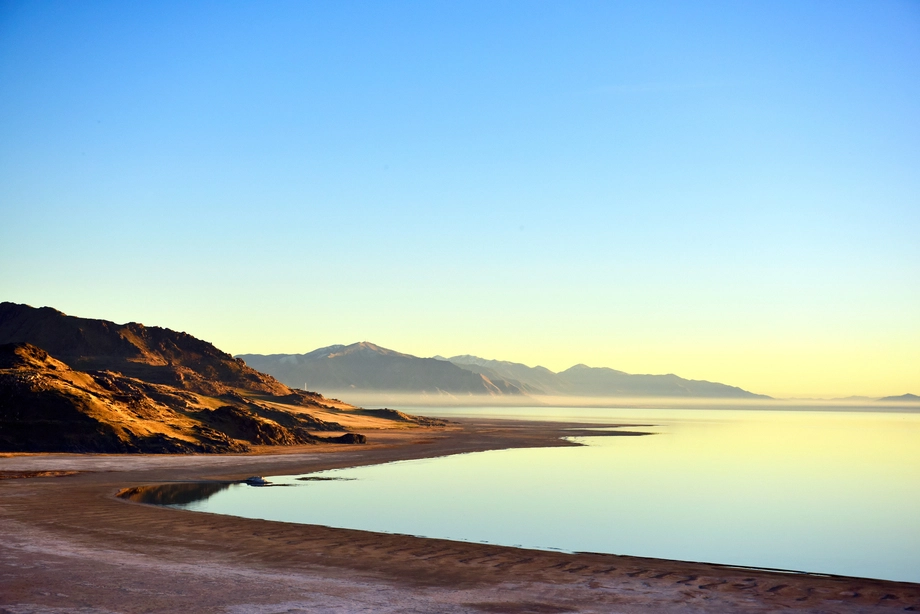 Antelope Island Sunset Wildlife Expedition – Great Salt Lake Odyssey
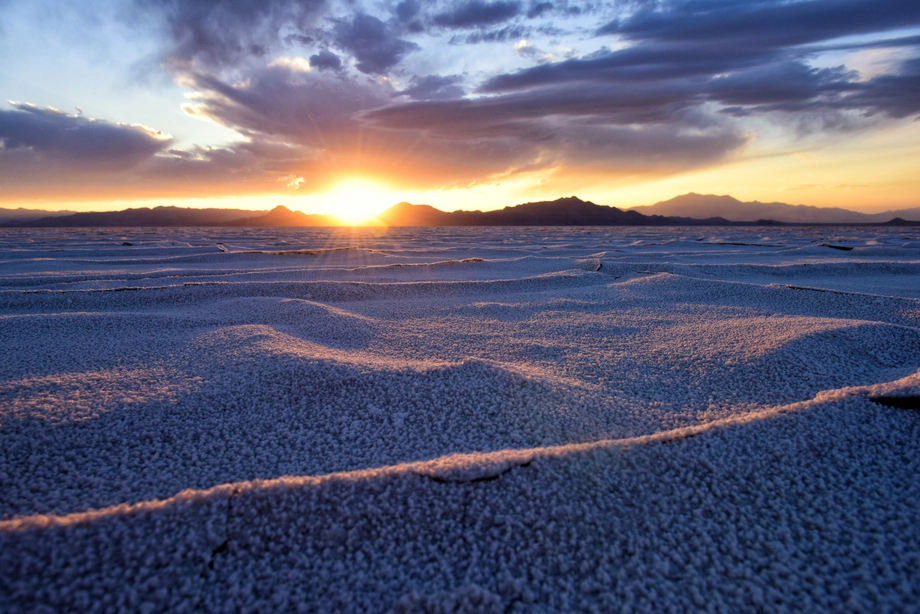 Bonneville Salt Flats – Sunset Adventure of the White Desert
 Antelope Island – Wild Heart of the Great Salt Lake Adventure