
How to Plan Private Geology Tours in Utah Parks for University Groups
Jul 19, 2026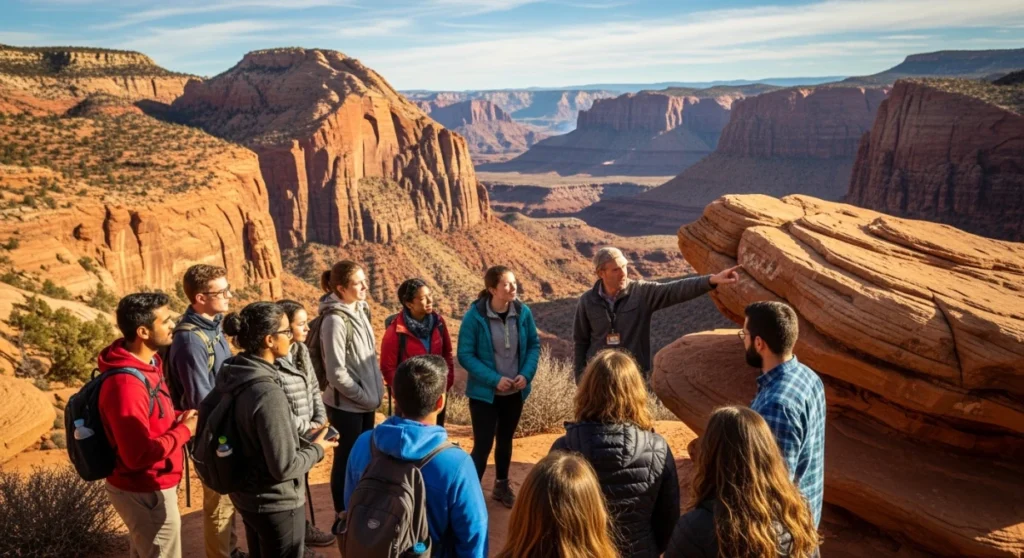
University geology groups can run strong Utah field trips if they separate academic goals from park compliance, apply early for waivers and permits, and build routes around realistic travel time and no-collecting rules.
The planning problem is rarely the geology. It is the assumption that an academic trip will be simple because it is educational, even when the group is hiring transportation or a guide and moving across several Utah parks with different rules.
That is where private guided geology tours across Utah national parks for university groups become a distinct planning category rather than a casual class outing. For faculty, field-course leaders, and department coordinators, the real work is matching teaching goals to legal access, travel time, parking limits, group ability, and the rules on fees and collecting.
We organize tours and excursions throughout Utah, including Salt Lake City, ski resort transfers, day trips, and national parks routes. For university groups, that experience matters less as sightseeing support and more as route design, pacing, and on-the-ground logistics that let faculty teach without spending the week solving transportation and compliance problems.
Which Utah parks work best for a university geology field trip?
The strongest choices are the parks that give you high geologic variety without wasting field time in transit. For most university groups, that means building around the major national parks, then adding a small number of high-value state park or educational stops that serve a specific teaching objective.
Utah’s core national-park set for geology-focused travel is Arches, Canyonlands, Bryce Canyon, Capitol Reef, and Zion. These parks work well because they combine accessible viewpoints, short interpretive walks, scenic road sections, and enough stop density for observation-based teaching without requiring a backcountry expedition.
If your group starts in Salt Lake City, the most practical first decision is whether the trip is a short regional module or a full southern Utah field week. Faculty searching for the closest national parks to Salt Lake City for a weekend road trip often discover that a one- or two-day schedule fits better as a nearby Utah landscape day tour or a focused instructional stop rather than an attempt to cram in too many distant parks.
For a fuller route, our Utah National Parks tours category is the best starting framework because those routes already reflect realistic driving patterns from Salt Lake City, major viewpoint sequencing, short-hike options, and the time needed to move between Zion, Bryce Canyon, Arches, Canyonlands, and Capitol Reef.
Best-fit park choices by teaching goal
- Arches National Park: Good for landform observation, erosion discussion, and short stops where students can compare viewpoints without long hiking commitments.
- Canyonlands National Park: Strong for large-scale landscape interpretation, stratigraphic context from overlooks, and discussion that benefits from broad visual exposure.
- Bryce Canyon National Park: Useful when you want compact stop-to-stop access and clear visual landform contrasts in a relatively contained park setting.
- Capitol Reef National Park: A strong anchor for multi-day academic routing because it sits naturally within broader southern Utah circuits and can pair with nearby learning resources.
- Zion National Park: Best when the course wants a mix of canyon-scale observation, short walks, and a well-known park that students may already recognize, which can help with engagement and pre-trip preparation.
State and adjacent educational sites can add value when they are used sparingly and for a reason. According to Utah State Parks’ Snow Canyon educators page, educational groups must schedule visits in advance, which makes Snow Canyon a useful planned component but not a place to treat casually if you are running a commercial guided day.
Another smart add-on is the Timpanogos Cave area if your course benefits from a structured cave component near the Wasatch Front. According to the National Park Service page for planning a field trip at Timpanogos Cave National Monument, educational institutions can request ranger-led cave tours and apply for fee waivers, so this works best as one scheduled module inside a broader itinerary rather than as a replacement for a multi-day field program.
When is a private operator the right fit for a university geology trip?
A private operator is the right fit when your faculty already knows the academic material but does not want to spend the trip managing vehicles, timing, park-entry logistics, and rule-sensitive stops. The value is operational control, not replacing the professor’s teaching role.
This matters most on multi-park routes, on trips that start and end in Salt Lake City, and on cohorts with mixed mobility or experience levels. In those situations, the hidden costs of self-driving show up fast: too many cars, scattered arrivals at trailheads, parking bottlenecks, uncertainty around where a commercial guide may stop, and lost teaching time while the leader solves basic trip mechanics.
Our service style is already built around local guides, small-group interaction, and time for questions, which you can see in our Salt Lake City Walking Tours. For university groups, that translates into a field format where discussion blocks, stop timing, and route detail are clear in advance rather than improvised in the parking lot.
Situations where an operator adds the most value
- Multi-park sequencing: You need a route that is ambitious but still teachable.
- Compliance-sensitive travel: You are hiring transport or guiding, which brings commercial-use questions into the plan.
- Large or mixed-ability cohorts: The day needs clear cut-off points, shorter alternatives, or viewpoint-based learning options.
- Faculty-led academics: The professor wants to lead interpretation while someone else manages the ground operation.
- Integration of outside elements: You want to fit a ranger-led cave visit, a field station opportunity, or a city orientation day into one coherent schedule.
That last point is often overlooked. A practical trip can begin with a first-day urban orientation, especially for students arriving from outside Utah, and our city tours are already suited to an arrival day because they are paced for small groups and include clear route descriptions rather than vague “free time.”
You found a hidden promo code!
Use code WOWBLOG at checkout and get 10% OFF any tour!
Limited time offer. Book now and save!
Browse ToursWhat does a typical geology field day look like with a private guide?
A good field day is structured, not rushed. It usually starts from one agreed departure point, combines road-based observation with a limited number of short walks, and leaves protected time for faculty explanation, note-taking, and student questions.
For university groups, we do not build the day like a sightseeing checklist. We shape it around teaching windows: arrival and orientation, one or two major landform or stratigraphic stops, shorter comparison stops, meal and restroom planning, and a final block that can flex if discussion runs long or weather changes the pacing.
Typical day structure
- Departure and briefing: Meet at the hotel, campus pickup point, or agreed city location. Confirm the day’s route, walking level, weather, and any park-specific conduct rules.
- Primary observation stop: Begin with a location that gives broad visual context so the faculty lead can set the day’s geologic theme before students disperse into smaller observational tasks.
- Short transfer and comparison stops: Use scenic drives and pullouts to compare landforms, rock units, or erosional patterns without forcing a long hike at every site.
- Short hike or rim walk: Include one carefully chosen walking segment when it adds teaching value, not just exercise. This is where route difficulty and student fitness need to be matched in advance.
- Field-note time: Build in a stop where students can sketch, write notes, or ask follow-up questions without feeling that the vehicle is leaving in five minutes.
- Return with contingency time: Keep enough margin for traffic, crowded parking, shuttle timing, or a worthwhile teaching extension at a high-value stop.
That structure is one reason a custom academic route can feel rigorous rather than “touristy.” The day is measured by whether students had enough uninterrupted time to observe and discuss, not by how many named viewpoints they can post afterward.
For shorter arrival or departure windows, our Utah day tours framework can also be adapted into a focused instruction day near Salt Lake City. That is often useful before a southern Utah field week or as a fallback if the class cannot commit to a longer route.
How do permits, entry fees, and institutional responsibilities actually work?
The key rule is simple: educational purpose does not erase commercial rules. If a university hires a guide or operator, the trip may trigger commercial-use requirements in state parks, while national-park fee waivers and other institutional paperwork usually remain the university’s responsibility.
For Utah state parks, university groups conducting guided commercial activity need to plan around permit requirements. The practical implication is that a professor should not assume a private instructional outing can be treated like an informal student meet-up once paid guiding or commercial transportation is involved.
In Utah’s national parks, recognized educational institutions visiting for official educational purposes may be eligible for fee waivers, but those applications should be made several weeks in advance and handled directly with the relevant park. Hiring a guide does not automatically cancel eligibility, but it also does not replace the need for proper institutional application and lead time.
Who handles what
| Planning task | Primary owner | What “done right” looks like |
|---|---|---|
| Course objectives and learning topics | University faculty | Clear academic focus, such as landforms, basin history, observational mapping, or comparison stops |
| Institutional approvals and risk paperwork | University | Internal travel approval completed before deposits or final routing |
| Educational fee waiver requests in national parks | University | Submitted early with recognized-institution details and official educational purpose |
| Commercial activity compliance in guided state-park visits | Operator, coordinated with group plan | Trip design accounts for required permissions instead of improvising access |
| Vehicle routing, stop timing, and daily field schedule | Operator with faculty input | Realistic travel day, designated stops, and enough time for teaching at each site |
| Scientific collecting permits | University or research institution | Separate permit process pursued only when the academic activity truly requires it |
The cleanest workflow is to treat the operator as the ground partner and the university as the legal owner of academic purpose, fee-waiver requests, and any research permissions. That separation keeps responsibilities clear and avoids the common mistake of assuming one vendor can absorb every institutional obligation.
Timeline that avoids avoidable problems
- Six or more weeks out: Confirm dates, likely parks, cohort size, and whether the trip is observation-only or includes any research component.
- Several weeks out: Submit national-park educational fee waiver requests directly to each relevant park if eligible.
- Before the route is locked: Identify any state-park stops so commercial-use requirements can be handled correctly.
- One to two weeks out: Finalize daily stop order, departure times, walking expectations, and faculty teaching blocks.
What is allowed, and what is off-limits, on geology tours in Utah parks?
Observation and discussion are the default. Collecting rocks, minerals, or fossils in Utah’s national parks is generally prohibited unless the institution has a separate scientific research and collecting permit.
This is the compliance issue that most often surprises geology faculty. In practice, a legal and well-run instructional trip in the parks is built around seeing, comparing, sketching, photographing where permitted, and discussing in place, not taking hand samples because the stop seems academically useful in the moment.
Private guided activity also has to follow park operating rules such as using designated parking and keeping groups in approved areas. That matters because road-based tours in parks like Arches are not meant to function as ad hoc roadside seminars wherever a driver spots an interesting outcrop.
How we structure stops to stay inside the rules
- Use designated parking: Stops are chosen around legal pullouts, trailheads, and established viewpoints rather than opportunistic roadside pullovers.
- Teach from accessible observation points: Faculty can still discuss structure, erosion, depositional patterns, or geomorphic processes without crossing into closed or undesignated terrain.
- Keep sample collection out of the tour plan: If your course truly requires collecting, that needs a separate research-permit path led by the institution.
- Match the stop to the group: A long scramble may add little if half the class cannot safely participate or if it encourages off-trail movement.
This does not make the trip less rigorous. It simply means the field design has to respect the difference between park-based teaching and permit-based research activity.
How do we design a custom itinerary with faculty, and what are the deliverables?
The process starts with course goals and ends with a route that is teachable, legally workable, and realistic on the ground. Our role is to turn your academic priorities into a daily operating plan with clear constraints and clear handoffs.
The most useful first conversation is not “Which parks are famous?” but “What does the class need students to do in the field?” Once that is clear, park selection, pacing, and stop length get easier because every choice can be tested against the teaching objective.
Stage 1: Fit check and scoping
We first confirm whether the trip is best as a one-day module, a weekend circuit, or a multi-day southern Utah route. This is also where we separate must-have parks from nice-to-have stops, because many compliance and pacing problems come from trying to do five days of teaching inside three days of travel.
Stage 2: Academic and logistical design
Next, we map the route around departure city, number of students, likely lodging pattern, walking tolerance, and whether the faculty wants longer discussion blocks or more stop variety. If the cohort includes mixed ability levels, we prefer days with obvious viewpoint alternatives so everyone can engage even when not every student joins every walk.
When relevant, the itinerary can also include a field-station or ranger component. For example, the Capitol Reef Field Station supports engaged learning and research opportunities for university groups, which can make Capitol Reef a particularly efficient anchor if your course wants a structured academic base near the park.
Stage 3: Draft itinerary and responsibilities
The draft should make each day legible to a faculty lead. That means route logic, approximate timing, terrain level, likely number of major stops, and a clear note on where park applications or institutional actions still need to be completed by the university.
Stage 4: Review and acceptance criteria
The itinerary is ready when it meets five tests. It supports the course topic, fits the actual travel window, respects park rules, matches the group’s physical reality, and leaves enough unscheduled minutes for teaching rather than only transit.
- Academic fit: Each day has a defined instructional purpose.
- Operational realism: Distances and stop counts are achievable.
- Compliance fit: No park activity depends on unauthorized collecting or undefined access.
- Group fit: Students can participate at the planned level.
- Communication fit: Faculty can explain the trip internally using one clear document.
What should a professor or department send to start planning?
The best inquiry is short but specific. If you send dates, group size, parks of interest, teaching topics, and starting point, we can tell quickly whether the route should be narrowed, expanded, or reorganized.
That is also the point where many planning delays can be prevented. Missing basics such as arrival city, desired walking level, or whether the group hopes to collect samples can change the whole compliance path.
Planning checklist for your first message
- University and department: Name the institution and whether the trip is for a class, field course, or departmental cohort.
- Preferred dates: Include your travel window and any dates that are fixed by the academic calendar.
- Group size: Estimate students, faculty, and any assistants.
- Starting and ending point: Usually Salt Lake City, but note if that is flexible.
- Parks or regions of interest: List must-have sites and optional ones.
- Geology topics: For example, landforms, basin history, comparative observation, or a park-specific module.
- Walking and mobility needs: Note fitness range, accessibility needs, and whether some students need viewpoint-based alternatives.
- Compliance questions: Say whether you plan to seek fee waivers, need to coordinate a ranger program, or are considering any research-related collecting permit separately through the institution.
If you are still deciding between a focused route and a full park circuit, browse the Utah national parks tour options first to get a feel for distances and timing, then send the checklist above through our contact channel with your rough framework in mind.
A strong university geology trip in Utah is built on realistic routing, early paperwork, and a clear line between academic teaching and park compliance. The best park mix depends less on scenic reputation and more on whether each stop earns its place in the course. Private ground support is most valuable when it protects field time, keeps the route legal, and gives faculty a usable day-by-day plan. Start with the Utah National Parks tours page, then send your dates, group size, route ideas, and teaching goals for a custom proposal.
Can a university group get national-park fee waivers if it hires a private guide?
Potentially yes, if the group is a recognized educational institution traveling for an official educational purpose. The waiver request still needs to be made directly to the relevant park by the institution.
Can students collect rock or fossil samples during the trip?
Not in Utah’s national parks unless the institution has a separate scientific research and collecting permit. A standard teaching tour should be planned as observation-based fieldwork.
Is a private operator still useful if our professor already teaches geology?
Yes, because the main value is handling route logistics, timing, transport, parking constraints, and park-rule compliance. That lets faculty spend more of the day teaching instead of coordinating movement.
What if our class has different fitness levels?
The itinerary should use stops with clear viewpoint options and only a limited number of walks that require higher effort. That way the academic core still works for the full cohort.
Do Utah state parks treat guided educational visits differently from casual student visits?
Yes. Once the visit involves commercial guiding or similar paid activity, permit rules matter and should be addressed in advance rather than assumed away because the group is academic.
Can a ranger-led cave visit replace a multi-day field itinerary?
No. It is best used as one scheduled educational module inside a broader route, especially for groups that also need transport, timing, and multi-stop field planning.
What is the most important detail to include in the first planning email?
Your teaching objective. Once the academic goal is clear, the right park mix, stop length, and pace become much easier to design.

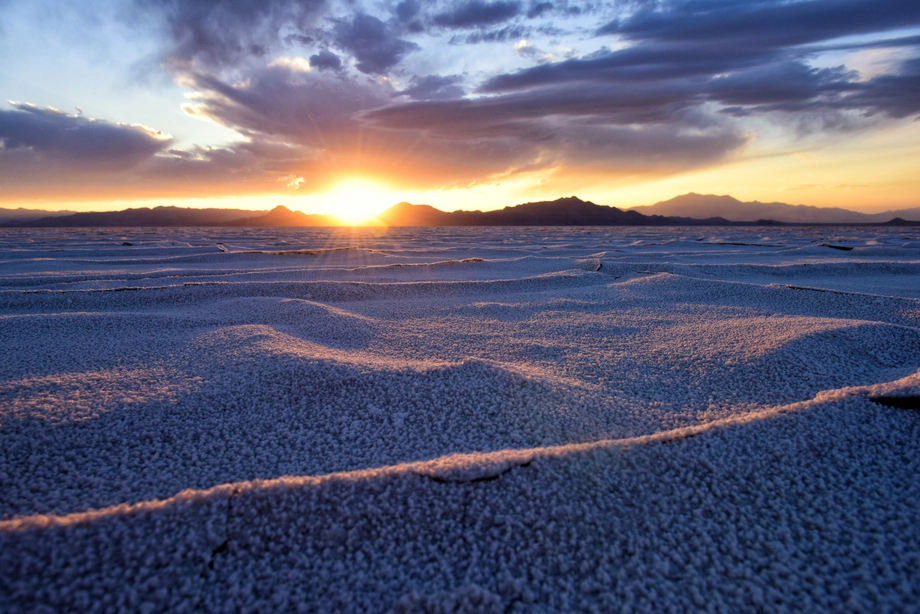 Bonneville Salt Flats – Sunset Adventure of the White Desert
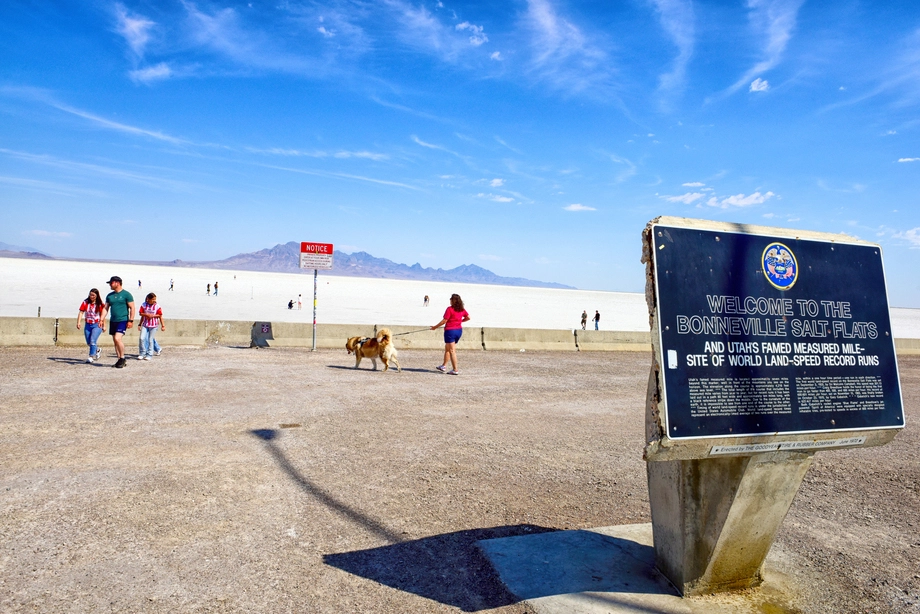 Bonneville Salt Flats – Journey to the Edge of the World
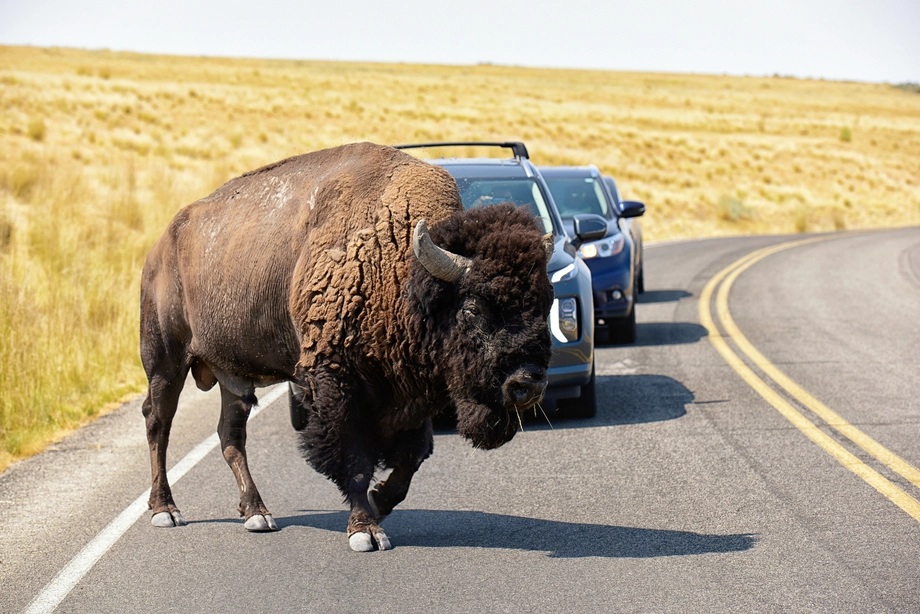 Antelope Island – Wild Heart of the Great Salt Lake Adventure
 Salt Lake City – The City of Zion. Historical Interactive Walking Tour
 Antelope Island Sunset Wildlife Expedition – Great Salt Lake Odyssey