
Half-Day Canyon Sightseeing Tours With Easy Walks and Picnic Options
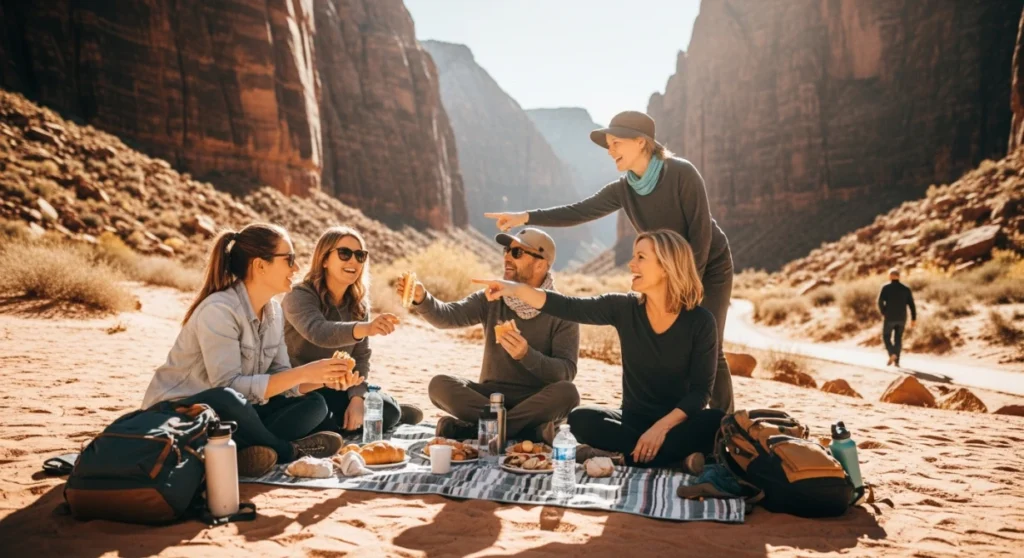
A realistic Utah canyon half-day usually means short scenic stops, one or two easy walks, conservative pacing, and a picnic at an established area with facilities when possible. It suits many travelers, but desert heat, sun, and uneven ground still need planning.
People often ask for “just a light canyon outing,” then picture a flat stroll with no real exposure to heat, altitude, or dry air. In Utah’s canyon country, that mismatch is where disappointment starts, because even a short overlook path can feel harder than expected once the sun is up.
A half-day canyon experience belongs to the sightseeing and light-walking category, not the strenuous hiking category. It is especially useful for families, older travelers, mixed-ability groups, first-time canyon visitors, and anyone using a first or last travel day to see scenery without committing to a full-day trek around Moab and the wider canyon region.
We organize excursions across Utah, including national park day trips from Salt Lake City, and we approach these relaxed canyon outings the same way we approach our Salt Lake City Walking Tours. That means small groups, clear route descriptions, realistic pacing, and enough detail on distance, terrain, and timing that guests can judge comfort before booking.
Who is a half-day canyon tour with easy walks and a picnic actually right for?
It is a strong fit for travelers who want big scenery without a long hike, especially families, older adults, mixed-ability groups, and visitors working around a travel day. It is less suitable for people expecting deep-trail mileage, midday adventure, or completely effortless conditions.
In practice, this format works well when your goal is to see a few standout viewpoints, enjoy one or two short walks, and pause for a simple outdoor meal without turning the day into a physically demanding outing. That is why it often makes sense on arrival day, before a longer park tour, or when one person in the group wants views while another wants a gentler pace.
It also suits travelers comparing short scenic outings with other things to do near Salt Lake City or deciding whether they need a full park day at all. For some groups, a well-planned half-day is enough because smart stop selection can deliver several memorable views without hours on foot.
- Best fit: First-time canyon visitors who want orientation, photos, and manageable walking.
- Also good for: Families with younger kids, couples, friends, and travelers with older relatives who can walk short distances comfortably.
- Useful timing: Arrival day, departure day, or as one segment inside a longer Utah itinerary.
- Less ideal for: Visitors who want long hikes, backcountry terrain, or a packed schedule with no flexibility for heat and rest breaks.
If you are deciding between a city-based short outing and a canyon segment, the same planning logic applies to the Utah National Parks Tours we run from Salt Lake City. We start with how much walking your group can truly enjoy, then build the route around that reality instead of forcing a one-size-fits-all park checklist.
What does an “easy walk” really mean in canyon country?
An easy canyon walk usually means short distance, modest elevation change, and a well-maintained path, not zero effort. In desert conditions, even paved or mostly level viewpoints can feel more demanding because of sun exposure, dry air, and limited shade.
For most relaxed canyon outings, “easy” often translates to brief walks from parking areas to overlooks, rim viewpoints, or short interpretive paths. Surfaces may be paved, compacted, or rocky in places, and the key question is not only mileage but how long your group is exposed to heat between shade, water, and seating.
A useful illustration comes from Bryce Canyon. The National Park Service describes the Rim Trail section between Sunset and Sunrise Points as a short, mostly level paved viewpoint route, which is the kind of trail type that often fits an easy-walk itinerary when conditions and group needs align. We treat examples like that as route models, not promises of any specific stop.
That distinction matters in Moab and nearby canyon areas. A route can be short and still feel tiring if there is no shade, if the ground is uneven, or if someone in the group is dealing with altitude, knee pain, or a fear of edges.
| Easy-walk factor | What it usually looks like | What to ask before booking |
|---|---|---|
| Distance | Short segments with driving between stops | How many total walking stops are planned? |
| Surface | Paved, compacted, or lightly uneven | Is the path smooth enough for my balance and footwear? |
| Elevation | Minimal climbing or gentle grades | Are there stairs, curbs, or sloped sections? |
| Exposure | Often sunny, with limited natural shade | How much time is spent in direct sun? |
| Comfort supports | Benches, restrooms, picnic tables vary by stop | Where are the planned restroom and seated breaks? |
When we recommend an easy route, we describe the walking honestly. If a path is short but fully exposed, or mostly level but on uneven ground, that needs to be said up front so families and mixed-age groups can choose confidently.
You found a hidden promo code!
Use code WOWBLOG at checkout and get 10% OFF any tour!
Limited time offer. Book now and save!
Browse ToursWhat does a realistic half-day canyon itinerary look like?
A realistic half-day usually includes transport, two to four scenic stops, one or two easy walks, and one planned picnic break at an established area when available. The point is not to cram in distance but to balance views, comfort, and timing so the outing still feels relaxed.
A typical flow starts with pickup or a defined meeting point, followed by a scenic drive to the first overlook while temperatures are still moderate. After an initial stop to get oriented, the group moves into a short walk with time for photos and questions rather than rushing from viewpoint to viewpoint.
Midway through the outing, we look for an established picnic area or another suitable designated stop with seating and facilities where possible. Capitol Reef’s Fruita area is a good example of the kind of infrastructure we look for when shaping routes because the park notes picnic tables and water access there, though exact stops always depend on park, timing, and current conditions.
The final part of the half-day usually keeps walking lighter. If someone is tiring, this is where flexibility matters most, because the group can spend more time at scenic pullouts or shorten the last walking segment rather than pushing through just to “complete” a plan.
- Departure and drive: Travel to the canyon area with context on geology, local history, and what the terrain will actually feel like on foot.
- First scenic stop: Short overlook visit to gauge pace, weather, and group comfort.
- Main easy walk: A brief, clearly described route to a rim, overlook, or other accessible viewpoint.
- Picnic break: Time for guests’ own food or coordinated local options at a designated area where stopping makes sense.
- Final viewpoints and return: One or two shorter scenic stops, then transport back on a realistic schedule.
This structure is one reason a half-day can still be worth doing. With good route selection and a guide handling timing, parking, and stop order, you can combine scenery, context, and a proper break without the fatigue that often comes with trying to self-drive too many canyon stops in the wrong part of the day.
How do we choose routes for different ages, fitness levels, and comfort needs?
We choose routes by starting with the group, not the map. The right half-day route depends on walking ability, age range, heat tolerance, balance, stroller needs, restroom access, and whether anyone is uneasy near drop-offs or exposed viewpoints.
This is the part travelers often underestimate when they try to build an “easy” outing themselves. A stop that works for a couple in lightweight shoes may not work for grandparents, a child who needs frequent breaks, or a family that needs smooth surfaces and nearby restrooms.
Our planning criteria are practical rather than abstract. We look at how long each walk takes in real conditions, what the ground is like, where shade or seating exists, how easy it is to shorten a stop on the day, and whether there is a sensible place for a picnic that does not force people to eat in a parking lot or carry food too long in heat.
- Mixed abilities: We favor short walks where one guest can stop early without the whole outing falling apart.
- Older adults: We prioritize modest grades, shorter transfers from vehicle to viewpoint, and regular seated pauses.
- Families with kids: We look for simple paths, manageable stop lengths, and easy access back to the vehicle if attention spans change.
- Strollers or mobility limits: We need advance notice so we can focus on paved or smoother route types where appropriate.
- Fear of heights: We avoid assuming every scenic stop feels comfortable just because the walk is short.
- Sun sensitivity: We lean toward earlier starts, shorter exposed segments, and picnic timing that avoids the harshest heat where possible.
The most helpful thing you can do before booking is send a short trip brief with ages, walking confidence, any balance issues, stroller needs, preferred park, and whether the priority is scenery, photo stops, or the least walking possible. That lets us match you with the right option inside our Utah national park tours from Salt Lake City or shape a canyon-country half-day segment that fits your broader trip.
What are the main safety and comfort realities on an “easy” canyon walk?
The main reality is that short does not always mean easy in the desert. National park guidance consistently pushes conservative planning because first-time canyon visitors often find short walks harder than expected once heat, sun, and dry conditions are added.
That is why we do not equate an easy label with casual preparation. According to National Park Service hiking safety guidance, staying hydrated and wearing appropriate clothing are core safety measures for hiking, and that applies to light canyon walks just as much as longer ones.
We translate that into on-tour decisions through pacing, stop choice, and pre-trip clarity. If the day is hot, the walk needs to be shorter, earlier, or both. If one guest is struggling, the plan should allow a shorter segment or more time at accessible viewpoints rather than treating the original route as fixed.
Environmental care is part of comfort and safety too. In canyon landscapes, staying on marked trails and designated areas protects fragile ground, including biological soil crusts, and prevents guests from wandering onto surfaces that are both sensitive and poor choices for footing.
- Hydration: Bring more water than you think a short outing should require.
- Clothing: Choose breathable layers, sun-protective coverage, and shoes with reliable grip.
- Sun protection: Hat, sunglasses, and sunscreen matter even on partly cloudy days.
- Pacing: Expect frequent stops and a slower rhythm than the map distance suggests.
- Expectations: Treat “easy” as low intensity, not effortless or shade-rich.
There is also a quieter upside. According to the American Heart Association, regular brisk walking supports general health and mental well-being, which helps explain why many travelers enjoy these lower-intensity outings. The value here is not training effect or mileage. It is that a manageable walk can still be satisfying when the route is chosen well.
How do picnic stops work in canyon country without becoming a hassle?
A good canyon picnic works best at established areas with tables, restrooms, and water when available, timed so food is not sitting in heat for too long. The goal is a comfortable break, not an improvised meal balanced on a car hood in full sun.
That sounds simple, but desert logistics matter. Warm temperatures, limited shade, and long drive segments can turn a casual lunch plan into a messy one if nobody has thought through storage, cleanup, and where the group will actually sit.
We plan picnic stops around designated areas because they make the outing smoother for everyone. Established infrastructure is especially useful for families and older travelers who need seating, access to restrooms, and a clear break in the day rather than a vague “we’ll eat somewhere scenic” plan.
Food handling deserves the same practical mindset as trail planning. According to the FDA’s outdoor food safety guidance, proper handling during outdoor eating helps prevent foodborne illness, which is especially relevant in warm-weather canyon settings.
- Pick the right stop: Favor designated picnic areas or other approved stopping points over ad hoc roadside setups.
- Keep food simple: Choose items that travel well and do not depend on long heat exposure.
- Protect perishables: Use insulated storage and avoid leaving food in a hot vehicle any longer than necessary.
- Plan for shade limits: Assume little or no shade unless your stop is known to provide it.
- Bring cleanup basics: Pack wipes, napkins, and a bag for trash so nothing is left behind.
We do not assume every half-day includes the same food setup. Some guests prefer to bring their own lunch, while others want guidance on easy local options before departure. The important point is to coordinate this in advance so the break fits your route, your group, and the day’s temperatures.
What are the stages, responsibilities, and deliverables when booking this kind of outing?
The process is straightforward when responsibilities are clear. You tell us who is traveling, how comfortably they walk, and what park region interests you; we turn that into a realistic route recommendation, pacing plan, and booking path.
Stage one is fit assessment. You provide dates, park preference, starting point, ages, and any limits such as stroller needs, slower pace, fear of heights, or a strong preference for paved viewpoints.
Stage two is route matching. We identify the best half-day format based on current trip context, whether that is a stand-alone canyon outing, a module inside a larger Utah itinerary, or part of a park-focused plan starting from Salt Lake City.
Stage three is confirmation. At that point, the deliverable is a clearly described outing with expected timing, walking character, transport logic, and where the picnic break is intended to fit.
| Stage | Your responsibility | Our responsibility | What you should receive |
|---|---|---|---|
| Initial inquiry | Share dates, group details, and comfort level | Review fit and identify suitable route types | A realistic recommendation, not a generic park list |
| Route planning | Flag any non-negotiables such as restroom frequency or minimal walking | Match stops, pacing, and picnic logic to those needs | Outline of walking effort, terrain, and stop style |
| Booking | Confirm preferred option and trip details | Finalize logistics and schedule | Clear booking path and trip summary |
| Pre-trip prep | Bring the right clothing, water, and food plan | Provide guidance for heat, timing, and expectations | Preparation details that reduce day-of surprises |
Acceptance criteria are simple but important. You should know before the day begins how many walking stops are likely, whether surfaces are paved or uneven, how exposed the route is, where restroom breaks are expected, and whether the picnic stop depends on guests bringing their own food. If any of that remains vague, ask for clarification before confirming.
How can you tell whether a half-day is worth booking instead of self-driving?
A guided half-day is worth it when you want low-effort planning, realistic route selection, and fewer day-of guesses about parking, heat, facilities, and the true difficulty of short walks. Self-driving can work, but it often looks easier on the map than it feels on the ground.
The hidden friction in canyon country is rarely the highway drive itself. It is arriving at the wrong time of day, finding that the “easy stop” has more sun or uneven ground than expected, discovering there is nowhere comfortable to eat, or spending your short window searching for a better viewpoint after a disappointing first stop.
This is also where travelers combine goals. If you are researching the closest national parks to Salt Lake City for a weekend road trip or browsing the best scenic drives near Salt Lake City, a half-day canyon segment can be the right middle ground between a pure drive and a full hiking day.
Our recommendation is to book this format when one of three things is true: your group has mixed abilities, your schedule is tight, or you simply do not want to spend mental energy on route logistics in unfamiliar terrain. Those are exactly the situations where honest walk descriptions and conservative planning matter most.
What should you pack and confirm before the day starts?
You should pack for heat, dry air, and short but exposed walking, even if the route is labeled easy. The most important pre-trip step is confirming realistic expectations on distance, terrain, food, restrooms, and timing.
Do not overpack, but do not treat this like a city stroll. A canyon half-day goes better when everyone has what they need on hand and nobody is depending on last-minute purchases after leaving town.
- Water: Bring enough for the full outing, not just for the walking segments.
- Sun gear: Hat, sunscreen, sunglasses, and lightweight protective layers.
- Footwear: Closed-toe shoes with grip for paved and lightly uneven surfaces.
- Food plan: Picnic items that travel safely, plus any personal snacks.
- Comfort items: Medications, lip balm, wipes, and anything a child or older traveler may need during scenic stops.
- Questions to confirm: Start time, expected temperatures, restroom timing, and whether any stop has stairs or narrow edges.
If you want us to recommend or design the right option, the fastest next step is to browse the relevant park and day-trip categories on our site, then send a short inquiry with your dates, preferred park, ages, fitness levels, and request for an easy-walk half-day with a picnic stop.
A well-planned canyon half-day is not about squeezing the most miles into a short window. It is about getting the right views, the right pace, and a comfortable break in the middle so the outing fits your group instead of testing it. When the walk descriptions, heat planning, and picnic logistics are handled honestly, this format works very well for families, older travelers, and mixed-ability groups in Utah canyon country. Explore the Utah park and day-tour options on our site, then send your trip brief so Matei Travel can match you with the right half-day route.
Is a half-day canyon outing enough to see anything meaningful?
Yes, if the route is built around strong viewpoints and short walks rather than long mileage. It is especially effective on travel days or for visitors who want scenery without a full-day commitment.
Can older adults or less-fit travelers usually do these walks?
Many can, because the format focuses on short stops and conservative pacing. The key is being honest in advance about balance, stamina, and how much sun exposure feels manageable.
Do easy canyon walks always mean paved paths?
No. Some are paved or mostly smooth, while others are short but lightly uneven. Ask about surface, shade, and any slopes or stairs before booking.
What if someone in our group is struggling on the day?
A good half-day plan should have flexibility built in. That can mean shortening a walk, spending more time at overlooks, or shifting the balance toward scenic stops.
Should we bring our own picnic food?
You should clarify the food plan before the trip. Many groups bring simple items that handle warm weather well, then eat at a designated stop with seating when possible.
Why is heat such a big deal if the walks are short?
Because dry air and direct sun can make a brief walk feel much harder than the distance suggests. That is why early timing, water, and slower pacing matter so much.
Are these outings good for kids?
They often are, especially when stop lengths stay manageable and the route keeps vehicle access close. Families should share children’s ages and attention spans up front so the day is paced realistically.
 Should You Cancel a Utah Outdoor Day Because of Wildfire Smoke?
 When Should a Utah Park Day Trip From Salt Lake City Become an Overnight?
 Your First Evening in Salt Lake City: A Low-Pressure Orientation Plan
 Bonneville Salt Flats Photography Etiquette: How to Protect the Surface and Share the View
 How to Plan an Antelope Island Birdwatching Visit
 Why Are There So Many Brine Flies on Antelope Island?

I booked the Bonneville Salt Flats tour w Matei bc the owners are Ukrainian. I’m so...
Read more →This experience is a must-do! Dima explains the history of the area as well as the...
Read more →I had never been on a guided tour before, but Dima made it the best experience...
Read more →This was a great tour, it was nice to get picked up from our hotel. It...
Read more → Antelope Island – Wild Heart of the Great Salt Lake Adventure
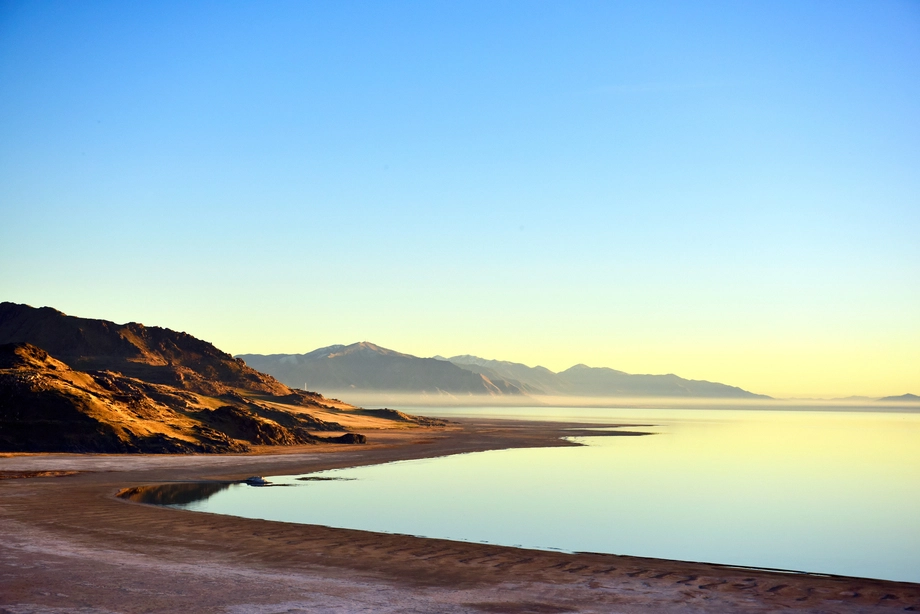 Antelope Island Sunset Wildlife Expedition – Great Salt Lake Odyssey
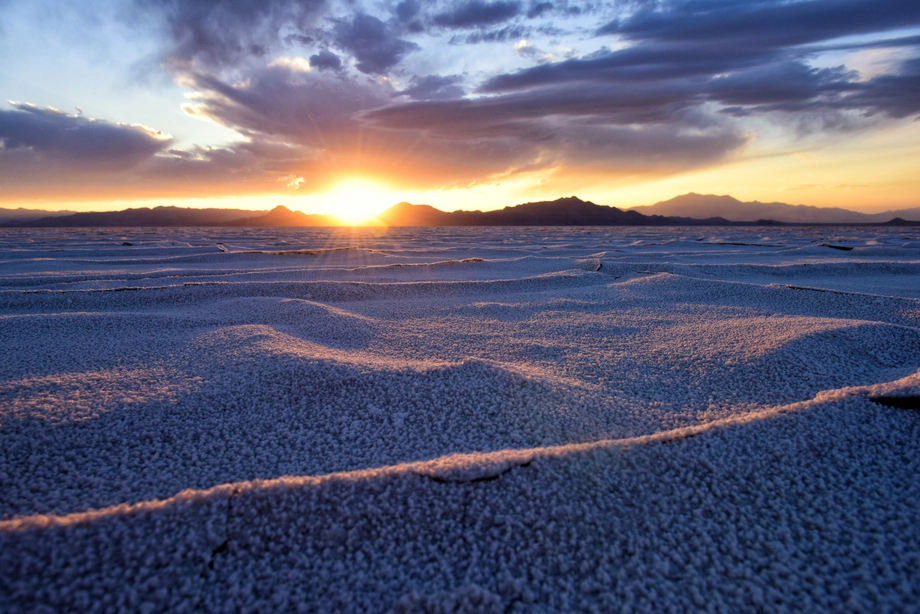 Bonneville Salt Flats – Sunset Adventure of the White Desert
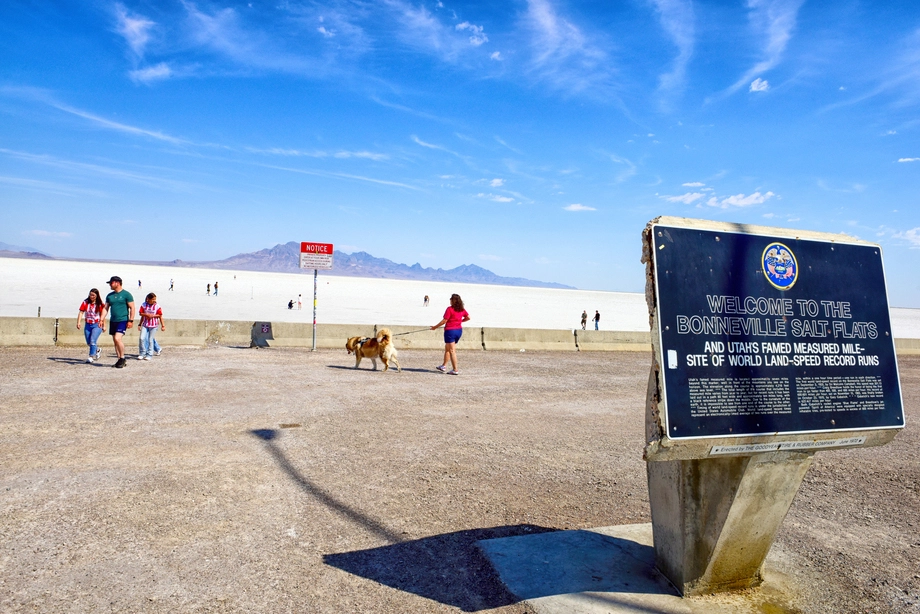 Bonneville Salt Flats – Journey to the Edge of the World