
College spring break adventure package Moab rafting and mountain…
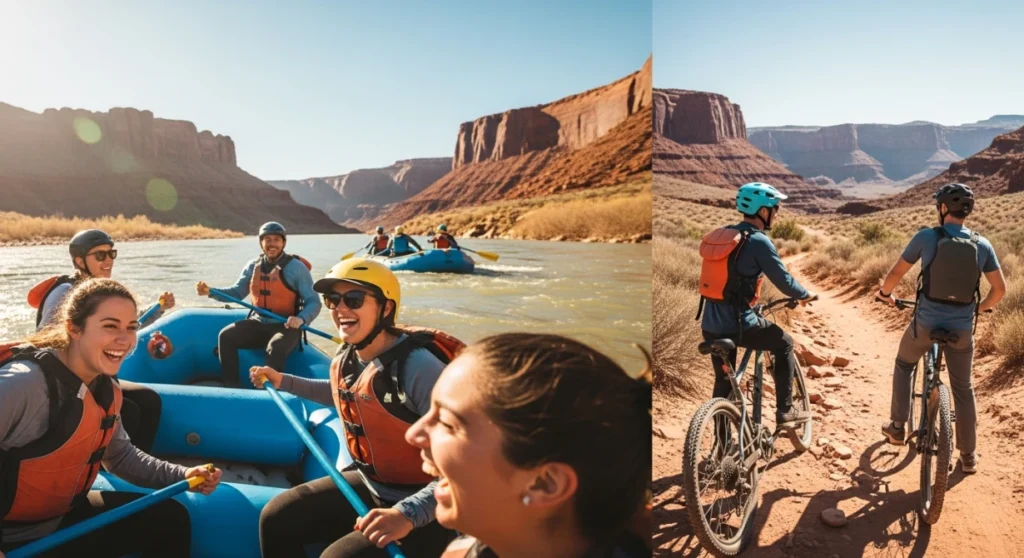
Choose spring break rafting and biking in Moab by matching rapid class, trail difficulty, and schedule to your group’s fitness, then layer in guided Utah park days to maximize adventure without overplanning.
Too many college spring breaks in Moab end up as chaotic camping trips with random gear, overspent budgets, and only one half-day on the river. The rest is driving around in circles, hunting for trailheads and last‑minute rentals. Spring is one of the best windows for water levels and rideable temps, so the difference between a thrown‑together plan and a dialed college spring break adventure package Moab rafting and mountain biking trip is huge in terms of actual time on the water and trails.
If you start from what your group really wants to feel and do, then match that to the right rafting sections, bike routes, and tour logistics, you can turn a short break into a concentrated hit of canyon time instead of logistics stress. Let’s walk through how to choose packages and components that fit college groups, budget, and comfort level without sacrificing the sense of adventure.
Who Moab rafting and biking packages are (and aren’t) for
Not every group is a good match for an active spring break. Clarifying this early saves money and prevents mid‑trip arguments when half the group discovers they hate pedaling uphill or getting splashed by cold waves.
Best-fit college groups for Moab rafting and mountain biking
- Active friends who already like the outdoors: People who hike, run, or ride occasionally at home adapt quickly to long days outside and handle minor discomforts like sand, wind, or chilly water.
- Groups that prefer experiences over nightlife: If your crew is more excited about sunrise colors on red rock than bar crawls, a Moab‑based adventure is a strong fit.
- Mixed skill levels but open attitudes: Sections like the Moab Daily offer friendly Class I–III rapids that work for beginners while still feeling exciting, and there are bike routes that range from mellow paths to technical rock.
- People okay with structure: Packages with set meeting times, shuttle schedules, and safety briefings work best when your group can show up on time and follow guide instructions.
Who should reconsider or adjust expectations
- Party‑first groups: If the priority is late nights, heavy drinking, and sleeping in, committing to early river shuttles and long rides may lead to no‑shows and wasted money.
- Anyone uncomfortable in water or heights: Rafting requires wearing a Personal Flotation Device and accepting some level of splash and movement; biking in desert mesas often involves exposure near drop‑offs.
- Groups expecting luxury on a tight budget: College‑oriented trips typically focus on activity and scenery, not spa‑level comfort, especially if you are keeping costs low.
- People with zero tolerance for weather swings: Spring days often sit in the 60–70°F range, but mornings and evenings can feel cool and windy, especially near the river.
Core criteria for choosing the right spring break package
Once you know your group is a good fit, focus on a few concrete filters. These criteria keep you from being swayed by glossy photos that ignore fitness level, safety, and actual time spent on the river or bike.
1. Match rapid difficulty to your group
Rafting sections near Moab span from splashy floats to serious whitewater. Choosing the wrong one is the single fastest way to ruin a trip for half the group.
- Beginner‑friendly water: The Moab Daily section typically runs Class I–III rapids that suit first‑timers and students who want fun waves without technical paddling.
- Higher intensity: Westwater Canyon has Class III–IV rapids that feel much more powerful and require stronger swimming confidence and tighter guide control.
Ask every potential operator or package provider:
- “What rapid classifications are typical during spring?”
- “How do you handle first‑time rafters versus more experienced paddlers?”
- “Is there an easier option if water levels spike?”
2. Bike terrain and distance that match reality, not ego
Trail style matters more than mileage. Desert climbs feel different from gym bikes or neighborhood paths, and technical rock features can surprise even fit riders.
- Surface and tech level: Confirm whether the rides are on paved paths, dirt roads, or technical rock features that require prior mountain biking experience.
- Elevation and length: Look for concrete stats like total miles and elevation gained per ride, then compare that to what your least fit friend is comfortable doing now.
- Shuttle support: Packages that include vehicle shuttles can cut out exhausting road climbs and save energy for the fun parts.
3. Time on activity vs time in transit
College breaks are short, so you want a good ratio of actual adventure to transport hours.
| Itinerary type | Typical feel | Good for |
|---|---|---|
| Compact Moab‑only days | Less driving, more time on river or trails | Short breaks, budget‑minded students |
| Regional loops (Arches, Canyonlands, plus other parks) | More driving but broader scenery and park variety | Groups wanting a “greatest hits” of Utah |
If you want a bigger Utah overview without managing a car caravan yourselves, consider Utah National Parks tours that include Arches and Canyonlands as part of a guided route starting in Salt Lake City. Those options typically cover long distances for you, include commentary, and list walking levels, which helps you predict how demanding each day will feel.
4. Group size and guide attention
Big groups can feel cheaper per person but less personal on the water and trail. Small to medium groups allow for more questions and better coaching.
- Max group size: Look for clear caps on participants in vehicles, rafts, and on guided rides. Smaller caps help keep safety and fun balanced.
- Guide ratio: Ask how many guides they run per raft or per biking group and how they split by skill level when possible.
- Local knowledge: Guides based in Utah often share background on geology, history, and local stories that add depth beyond just “paddle here” directions.
5. Safety practices and required gear
Water and desert environments are unforgiving if you cut corners on basic safety.
When rafting near Moab, wearing a Personal Flotation Device is mandatory on certain river stretches, especially below the meeting of the Green and Colorado Rivers and above the last active rapid in Cataract Canyon.
Use these checks before you book:
- PFD policy: Confirm that every participant must wear a properly fitted PFD in all moving water, not just “have one on the boat.”
- Helmet use: Ask whether helmets are used on all biking routes and on more technical rafting sections if appropriate.
- Safety briefing: A thorough talk about paddling commands, fall‑in procedures, and trail etiquette is essential, especially for first‑time rafters and riders.
You found a hidden promo code!
Use code WOWBLOG at checkout and get 10% OFF any tour!
Limited time offer. Book now and save!
Browse ToursMapping options to real college use cases
Instead of hunting for the “best” package in the abstract, match trip styles to what your group actually looks like and how much time you have. The goal is to choose something that fits your energy, not someone else’s highlight reel.
Scenario 1: Three‑day break with mixed fitness levels
Imagine a group of eight students driving in from a nearby state. Half are runners or gym regulars, the other half mostly walk to class and like the idea of adventure more than actual exertion.
A realistic plan might look like this:
- Day 1: Afternoon arrival, short hike near town, grocery run, early night.
- Day 2: Half‑day on the Moab Daily section with Class I–III rapids, plus a chill evening walk and group dinner.
- Day 3: Easy biking on relatively flat terrain or bike path loops, then drive home.
Key selection points for this scenario:
- Half‑day activities: Both rafting and biking are short enough that nobody feels wrecked the next morning.
- Entry‑level terrain: Rapids and trails are forgiving, so new people build confidence instead of fear.
- Simple logistics: Packages that bundle gear, shuttles, and guiding minimize last‑minute stress.
Scenario 2: Week‑long road trip with national parks focus
Another group might have a full week and wants Moab as one hub in a broader Utah tour. They care about Arches, Canyonlands, and other major parks, not just bikes and boats.
A balanced approach could be:
- Front or back end in Salt Lake City: Start or finish your trip with a guided day in the city center to learn regional history and get oriented.
- Guided national parks loop: Use a structured route that hits key overlooks and short hikes in Arches and Canyonlands, with commentary on geology and culture. Many Utah‑wide trips start from Salt Lake City and handle long driving days for you.
- Moab free days: Between park touring days, slot in one rafting day and one biking day with local providers.
Here, the selection priority is less about maximum adrenaline and more about not burning out from driving while still checking off iconic views during your spring break.
Scenario 3: High‑adventure crew with strong fitness
For a small group of very active students, higher‑intensity water and advanced bike trails can make sense. Many of them might be runners, climbers, or experienced cyclists.
This type of trip can work if:
- Everyone is honest about skill: Class III–IV rapids or technical rock trails are not the place to hide inexperience.
- Backup plans exist: Ask whether there is a lower‑intensity alternative if weather or water levels make the original plan unsafe.
- Rest is built in: Alternate hard days (big rapids, long rides) with lighter sightseeing or short walks so no one gets injured from fatigue.
Comparing Moab‑centric days with wider Utah national park tours
You can keep your entire spring break focused around Moab or pair it with broader sightseeing around Utah’s national parks. Both approaches work; they simply deliver different experiences.
| Aspect | Moab‑only focus | Adding Utah National Parks tours |
|---|---|---|
| Main appeal | Max rafting and biking time near one base | See multiple parks like Arches, Canyonlands, Zion, Bryce |
| Driving effort | Shorter daily drives, often under local shuttles | Longer distances handled by tour vehicles from Salt Lake City |
| Activity mix | Higher ratio of active water and trail time | Combination of scenic drives, short hikes, and viewpoints |
| Planning load | You manage more logistics and park entries | Tour operator manages routes, timing, and park access |
| Best for | Groups focused on rafting and biking intensity | Groups wanting iconic sights plus light to moderate walking |
If you know your group wants the “Mighty Five” experience but does not love long self‑drives or reservation systems, a structured option like the Utah National Parks tours can complement a shorter Moab rafting block without overwhelming you with planning.
Common mistakes college groups make when booking
Certain errors show up over and over in college spring break planning. Avoiding them is one of the easiest ways to protect your budget and sanity.
Mistake 1: Chasing the cheapest option only
Ultra‑low prices often hide shorter activity windows, larger groups, or extra add‑on fees for gear and shuttles. For college budgets, value matters more than sticker price.
- Check inclusions line by line: Confirm whether PFDs, helmets, bikes, paddles, and transport are included instead of rented separately.
- Compare activity duration: A slightly more expensive trip with extra river miles or trail time may give you much more for each dollar.
Mistake 2: Overestimating fitness and comfort zones
It is easy to picture yourself crushing miles of technical rock or charging into big whitewater. Reality at 7 a.m. after a short night of sleep is different.
- Plan for the least fit member: Design your baseline itinerary around the person with the lowest experience so the group moves together.
- Allow a buffer day: After long travel, schedule a lighter first day so your body can adjust before tackling bigger challenges.
Mistake 3: Ignoring environmental impact
The desert around Moab is fragile. High use can quickly damage soil, vegetation, and river corridors if visitors ignore basic ethics.
- Trail respect: Always stay on marked trails or durable surfaces with your bike to protect biological soil crusts.
- Pack everything out: Carry all trash out of the canyon and dispose of it properly, including food scraps.
- Avoid altering features: Do not move rocks or touch sensitive formations near the river or trails.
Mistake 4: Leaving booking to the last minute
Spring is prime season. Waiting too long often means no spots on preferred dates, forcing you into awkward half‑day combinations or expensive last‑minute options.
- Reserve core days first: Lock in rafting and biking dates as soon as your group has confirmed time off.
- Coordinate with national park plans: If you add canyonlands tours from moab or other park visits, align those dates with your water and bike days before filling in smaller activities.

Pre‑purchase checklist for Moab spring break adventures
Before you pay deposits, run through this concise checklist as a group. Treat it like a pre‑flight: if something is unclear, pause and ask questions before sending money.
Group readiness and expectations
- Shared priorities: Everyone agrees on the main focus of the trip, whether that is maximum adrenaline, relaxed scenery, or a mix.
- Fitness honesty: Each person has described their real comfort with water, heights, and daily activity time.
- Budget clarity: You have a per‑person budget that includes tips, food, and shared costs like gas or shuttles.
Package details and logistics
- Difficulty level recorded: You know the rapid classes and trail type for every booked activity.
- Daily schedule visible: Start and end times are clear, with enough buffer to shower, eat, and move between activities.
- Group size limits known: Maximum participants per guide or vehicle are specified and acceptable for your comfort level.
Safety and environmental safeguards
- PFD and helmet use confirmed: You understand when and where safety gear must be worn on river and trail.
- Emergency process explained: You know how guides handle injuries, unexpected weather, or changing water levels.
- Leave No Trace alignment: Your group commits to staying on established routes, packing out waste, and leaving natural features undisturbed.
Paperwork and communication
- Written confirmations: You have emails or documents that outline inclusions, dates, times, and any meeting points.
- Contact info handy: Trip leader has phone numbers or other contact channels for each provider in case plans shift.
- Backup ideas: If a river day is canceled, you have alternative low‑impact hikes or city walking tours in mind.
Practical tips to get the most from your spring break
Fine‑tuning a few details can turn a good trip into a great one, without much extra cost.
- Book core activities for mid‑trip: Schedule rafting and the longest bike day in the middle of your stay so you are rested from travel but not yet worn down.
- Layer clothing smartly: With spring temperatures often in the 60–70°F range, use quick‑dry layers, a wind shell, and avoid heavy cotton that stays wet after splashes.
- Assign roles within the group: Designate one person for logistics, one for food planning, and one for communication, so decisions do not stall.
- Mix guided days with free exploration: Balance professional guiding on the river or in national parks with lighter self‑guided walks in town.
- Respect quiet hours: Good relations with campgrounds and lodging hosts help keep options open for future student groups and reduce stress on your current stay.
Fitting guided national park days or city walking tours into a Moab‑centered spring break can also broaden the experience. For example, small‑group walking tours in Utah’s cities with local guides often include historical buildings and hidden corners, which adds context to the landscapes you see in Arches and Canyonlands.
A successful college spring break in Moab comes from matching river difficulty, bike terrain, and park logistics to your group’s real abilities and interests rather than chasing the most extreme option. Clear criteria on safety, inclusions, and daily timing keep expectations aligned and prevent budget surprises. Thoughtful planning also protects the desert environment through simple choices like staying on trails and packing out waste. Combine structured guiding where it matters with flexible downtime and you will leave with more stories about rapids and ridgelines than about missed shuttles. When you are ready to add guided national park days to your Moab adventure, MateiTravel can help you build that wider Utah itinerary.
How intense are spring rafting trips near Moab for first-timers?
Many college groups choose sections with Class I–III rapids, which feel exciting but remain beginner-friendly when guided properly. More advanced canyons with Class III–IV rapids are better for strong swimmers with prior experience.
Can a mixed-skill group bike together without splitting up?
Yes, if you choose routes with gentle terrain and modest mileage, stronger riders can take side loops while everyone else follows a shorter, easier line. Ask providers about shuttle support to avoid long road climbs.
How much actual activity time should we expect each day?
Look for clear daily schedules that specify hours on the river or trail versus transport time. On well-planned days, most college groups can enjoy several hours of activity with enough buffer for meals and transitions.
What safety gear is non-negotiable on rafting and biking days?
Every rafter should wear a properly fitted Personal Flotation Device in moving water, and every rider should have a helmet on trails. Quality outfits also provide a thorough safety talk before each activity.
How early should we book spring break rafting and biking?
Reserve key activities as soon as your dates are firm, since spring is a peak season and prime time slots fill quickly. Locking in plans early also helps coordinate lodging and national park visits.
Is it possible to combine national park sightseeing with a Moab-focused trip?
Yes, you can structure the week with a few days of rafting and biking around Moab and then join guided national park tours from hubs like Salt Lake City to see more of Utah’s major parks.
How can our group limit environmental impact during the trip?
Stay on established trails, keep bikes off fragile soil, and pack out every piece of trash, including food scraps. Following Leave No Trace principles helps protect the desert for future visitors.
What if some friends are nervous about water but still want to join?
Choose milder river sections and confirm that guides offer detailed briefings and support for anxious paddlers. You can also pair shorter rafting sessions with more land-based activities on other days.
 Antelope Island Day Tour or Sunset Wildlife Tour: Which Fits Your Salt Lake City Schedule?
 How to Dress for Changing Weather on Antelope Island
 How to Photograph People at Bonneville Salt Flats at Sunset
 How to Dress for Wind and Glare at Bonneville Salt Flats
 What a Guide-Led Utah Day Tour Handles for You
 Why Wildlife Sightings Cannot Be Guaranteed on Antelope Island

The tour was great and beautiful. Dima, the tour guide, explained everything clearly and had some...
Read more →What a beautiful experience! The drive is about 2 hours one way with interesting scenery the...
Read more →(From North Carolina on a business trip) '+ 'HANDS DOWN the best tour/guide I’ve ever had. And...
Read more →Went to Antelope Island. Terrible. Tour guide didn\'t do what he said he was going to...
Read more → Antelope Island – Wild Heart of the Great Salt Lake Adventure
 Antelope Island Sunset Wildlife Expedition – Great Salt Lake Odyssey
 Bonneville Salt Flats – Sunset Adventure of the White Desert
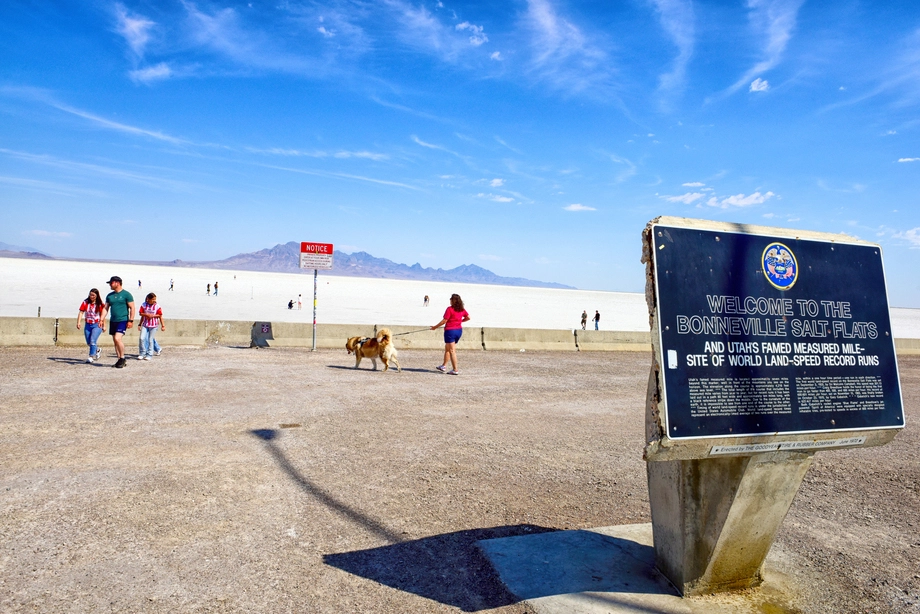 Bonneville Salt Flats – Journey to the Edge of the World